.svg&w=384&q=75 "Naijagoal logo")
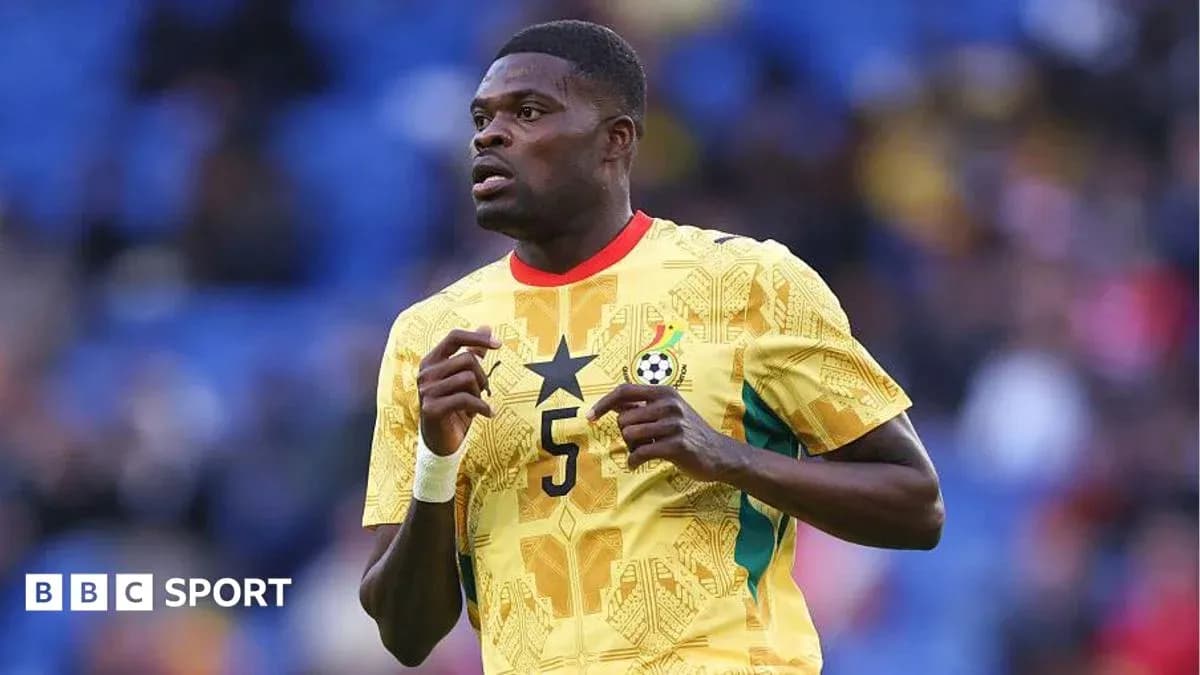

Ghana Challenges Canada Over Thomas Partey's Visa Block
Ghana’s build-up to their World Cup opener has moved from the training pitch to a courtroom in Ottawa.
The Ghanaian government has formally challenged Canada’s refusal to grant midfielder Thomas Partey a visa, a decision that currently rules the 33-year-old out of Wednesday’s Group game against Panama in Toronto.
A hearing is scheduled for 14:00 BST (09:00 eastern time) in Ottawa, where Ghana will argue for permission for Partey to enter Canada briefly so he can feature in the match.
Star midfielder sidelined by legal shadow
Partey’s visa refusal stems from ongoing criminal proceedings in the UK. He has pleaded not guilty to seven charges of rape and one count of sexual assault, relating to allegations made by four women between 2020 and 2022, and is due to stand trial next year.
Those unresolved cases have now spilled into Ghana’s World Cup campaign. Canada’s immigration authorities blocked his entry, leaving coach and country without one of their most experienced players on the eve of the tournament.
The Ghanaian government has condemned the decision as “high-handed and extremely unfair” and is pushing for a narrow exemption that would allow Partey to travel for the match and return immediately.
Legal fight and diplomatic push
In its court filing, Ghana is asking judges not only to clear the way for a short-term entry but also to order Canadian immigration officials to let Partey submit a fresh visa application.
At the same time, Accra is working the diplomatic channels. Foreign minister Samuel Okudzeto Ablakwa has confirmed that Ghana is exploring state-to-state avenues in an effort to secure clearance for the former Arsenal midfielder.
Time, though, is brutally tight. The opener against Panama is almost upon them, and it remains unclear how long the court proceedings in Ottawa will take or whether any ruling will come in time to change Canada’s stance.
For now, Ghana prepare for a World Cup kick-off with their most high-profile player watching from afar and a legal battle, not a tactical one, dominating the early days of their campaign.