.svg&w=384&q=75 "Naijagoal logo")

Roles and Responsibilities of a Football Team Captain
The Role of a Football Team Captain
Wearing the captain's armband might seem straightforward, but the duties involved go far beyond that simple symbol. A football captain carries significant responsibility, both on and off the pitch, to help the team succeed.
What Does a Captain Do in Football?
Some tasks are obvious: the captain leads the team onto the field, takes part in the coin toss, addresses referees during matches, and gives motivational talks. They also manage players during heated moments to prevent trouble.
Yet, the captain's influence extends deeper. They act as a link between the coach and players, translating instructions into a language the squad trusts. When performance drops, the captain steps up to spot issues and raise standards. They often provide personal support to younger or struggling players before the manager intervenes.
During the game, captains arrange team shape, keep communication flowing, and make quick decisions about pressing opponents, set-piece placements, and when teammates need encouragement or a stern word.
Emotional Control and Leadership
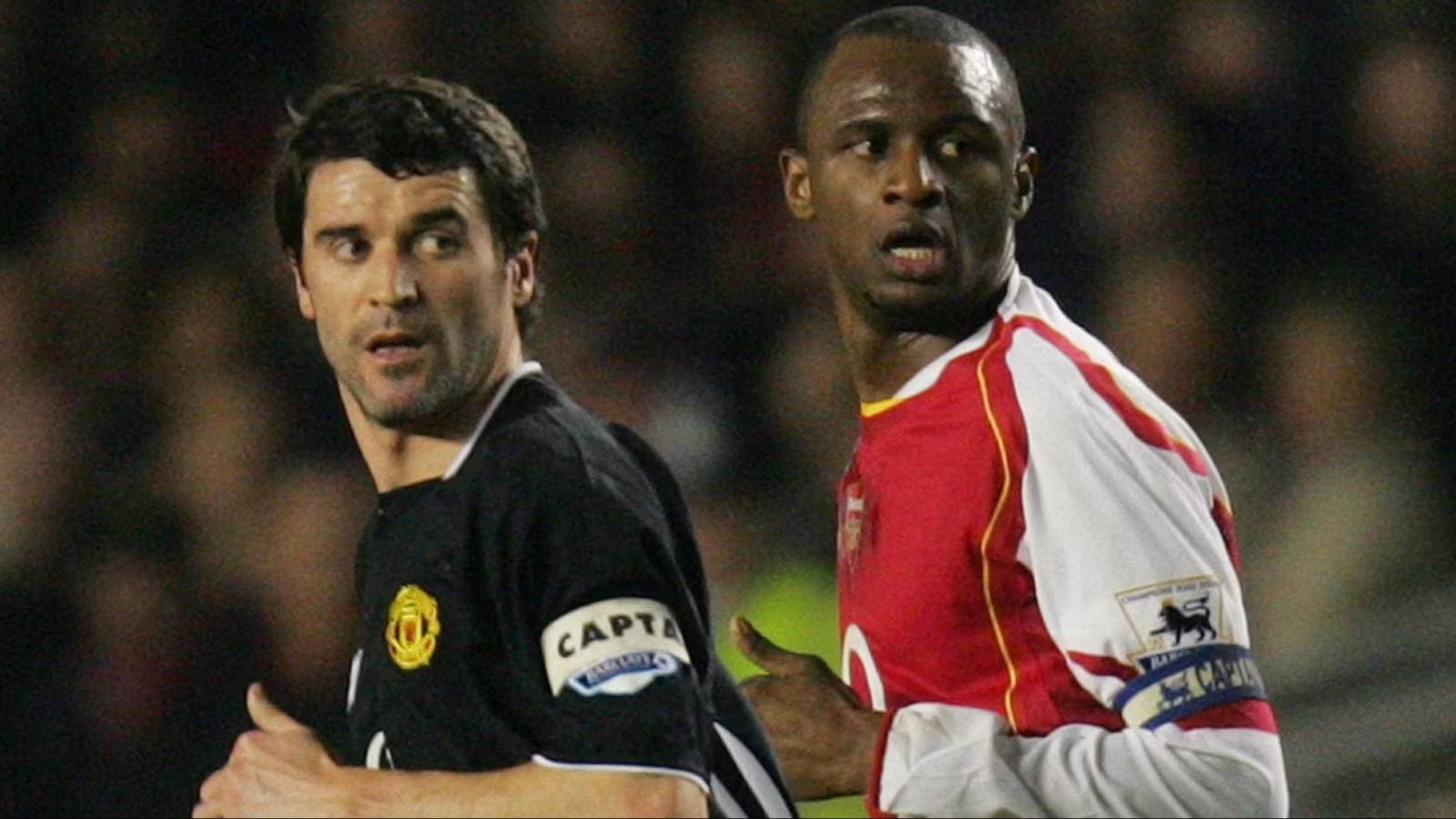
Captains serve as emotional anchors. Football matches can change rapidly, and the captain's role includes maintaining calm under pressure. Roy Keane’s aggressive leadership style was intense but focused on benefiting the whole team. Others take a calmer approach, yet the aim remains to unify eleven individuals into a single, effective unit.
Traits Needed to Be a Captain
Different managers choose captains based on their team’s needs. For instance, Alex Ferguson favored Roy Keane's fiery spirit, while Jurgen Klopp preferred the steadier presence of Jordan Henderson or Virgil van Dijk. Both approaches led to Premier League victories.
Regardless of style, some qualities are constant:
- Respect from Teammates: Without this, leadership fails. Respect comes from consistent effort, professionalism, and putting the team above oneself.
- Communication Skills: Knowing when to offer support or challenge a teammate distinguishes good captains from great ones.
- Accountability: Captains must uphold the standards they expect from others.
Examples of Outstanding Football Captains
- Sergio Ramos: Joined Real Madrid in 2005, captained them to multiple Champions League titles and La Liga triumphs, leading through dominant periods.
- John Terry: Chelsea’s defensive backbone for a decade, part of Mourinho’s side conceding only 15 goals in a season; also the Premier League's highest-scoring defender with numerous trophies.
- Didier Deschamps: Led France to World Cup victory in 1998 as a defensive midfielder. Known as the 'water carrier' by Eric Cantona for his selfless role, he lifted the trophy through teamwork rather than flair.
The captain's armband alone doesn't create leadership. Given to the right individual, it becomes a powerful symbol that can transform a team's unity and performance.