.svg&w=384&q=75 "Naijagoal logo")
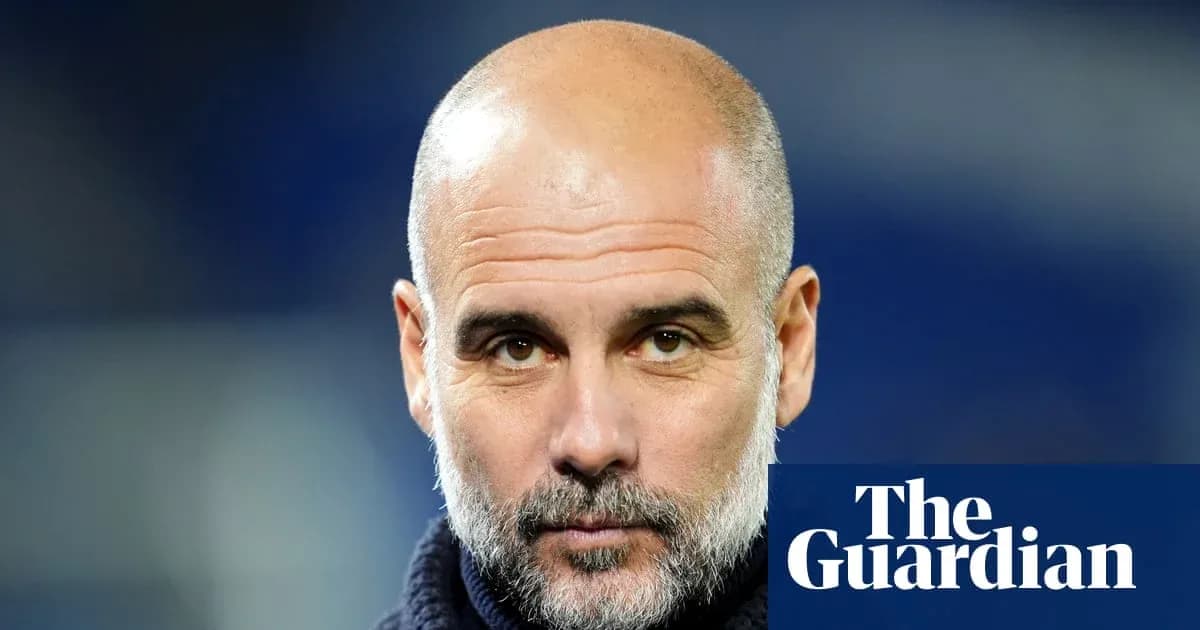

FIGC Eyes Guardiola as Italy's Next Head Coach
Italy’s search for a new head coach has reached the point where the rulebook is being stretched – and all roads, for now, lead to Pep Guardiola.
Giovanni Malagò, president of the Italian Football Federation (FIGC), has confirmed that financial “exceptions” are on the table to try to lure the Catalan to the Azzurri bench, underlining just how far the federation is prepared to go to secure one of the game’s most coveted managers.
Guardiola walked away from Manchester City at the end of last season, leaving behind a decade of domestic dominance: six Premier League titles, three FA Cups, five League Cups and the Champions League. After similar success at Barcelona and Bayern Munich, he is free and available – a rarity at this level, and a temptation Italy can hardly ignore as it tries to rebuild.
The national team remains in crisis. Gennaro Gattuso resigned in April after Italy failed to qualify for a third consecutive major tournament, an unthinkable collapse for a four-time World Cup winner. The vacancy is more than a job; it is a rescue mission.
“Exceptions have been made, exceptions that for example may concern the name that is so overbearing in these hours: Pep Guardiola. Exceptions for obvious reasons that I am not here to explain, but it is not certain that this thing will go through.”
The message is clear. Italy is prepared to move beyond its usual financial framework to accommodate Guardiola’s stature and salary, but there are no guarantees. Negotiations of this scale rarely move in straight lines.
Reports earlier in the week suggested Guardiola has already held talks with the FIGC, fuelling a wave of excitement and debate across the country. Could the architect of tiki-taka and City’s relentless winning machine really take charge of a national side that has lost its way?
Guardiola is not the only name under consideration, even if he dominates the conversation. Roberto Mancini, the man who guided Italy to Euro 2020 glory, is firmly in the frame, as is former Azzurri midfielder Andrea Pirlo. Both offer continuity with Italy’s footballing identity, albeit with very different managerial résumés and stylistic approaches.
Asked directly whether Guardiola, Mancini and Pirlo formed the entire shortlist, Malagò pushed back: “Absolutely not. We think about a certain profile and certainly these names fall into that category.” The federation wants an elite, modern coach capable of reshaping a broken project. Those three fit the bill, but they are not alone.
The stakes could hardly be higher. Italy stands at a crossroads: cling to familiar faces, or bet everything on the most radical appointment in its history. The FIGC has shown its hand by preparing to bend its own financial rules.
Now the question is simple, and seismic: will Pep Guardiola be persuaded to lead a fallen giant back to the summit of world football?