.svg&w=384&q=75 "Naijagoal logo")

Fifa's Confidence Crisis: Infantino's Leadership Under Fire
Fifa says confidence is being restored. How do we know? Because Fifa says so.
In the latest chapter of football’s most brazen soap opera, the governing body has declared itself on the road to redemption, even as it staggers under the weight of its own decisions. A “constructive and positive meeting held in Rabat, Morocco” was the official line. The reality: a global sport dragged to the brink by a president who tried to reshape it without telling most of the people who are supposed to run it with him.
Infantino’s World
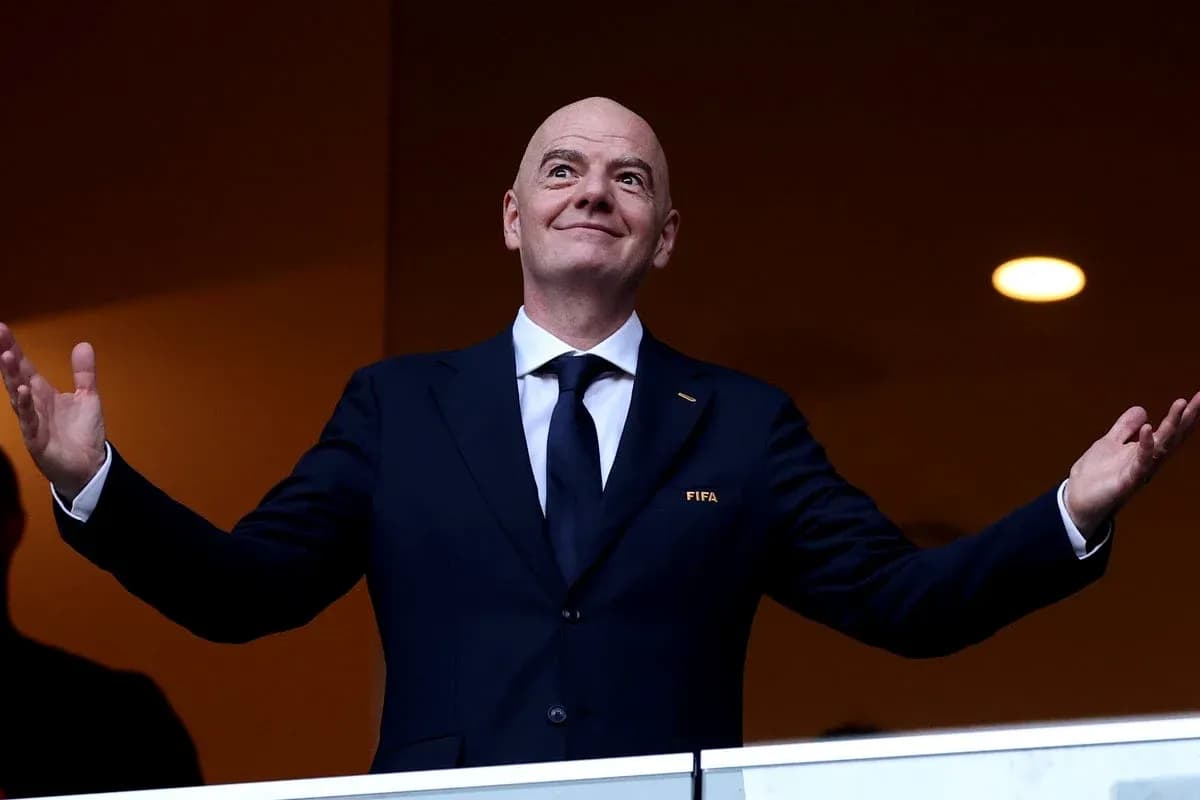
Gianni Infantino stands alone as Fifa’s only official elected by all 211 member associations. On paper, that should make him the figure who unites the game. In practice, he has become the man who has managed something extraordinary: bringing a vast and varied football world together in opposition.
Many associations are openly calling for him to go. Others have lined up against what Fifa itself dubbed the “Fifa Forward Enterprise proposal” – the now-abandoned scheme widely seen as an attempt to sell off the World Cup to private interests. Even inside Fifa, plenty of people were left in the dark. The governing body did not bother consulting them.
The result was a crisis triggered by a single idea. Either Infantino came up with a plan he forgot to explain to almost everyone – from chief operating officer Kevin Lamour and head of global football development Arsène Wenger to confederations, clubs, national associations, players and fans – or he tried to stage a power grab against the sport itself.
A Letter From Another Planet
After the backlash, Fifa’s top brass gathered. Infantino and secretary general Mattias Grafström then emerged with a joint letter that read like it had been written in a bunker.
“Fifa’s top management is fully confident that the outcomes of today’s meeting will help restore confidence in the organisation,” they said.
Nineteen words that laid bare the scale of the delusion. The man who presided over the chaos wants to stay in charge and insists that the solution to a crisis of his own making is, effectively, to trust him.
“Mistakes made were acknowledged,” the letter added, in a message dripping with optimism but short on credibility.
The nearest thing to an apology came in one carefully phrased line: “It was agreed that it was not the intention for the Fifa council and Fifa member associations to feel excluded from the process.” Not the intention. In which case, why exclude them?
A Secret Scheme and Selective Generosity
The proposal was developed in such secrecy that, as critics pointed out, it seemed fewer people inside football knew about it than in the Kushner family. When it finally surfaced, national associations discovered a structure that raised serious ethical questions: FAs prepared to vote for the plan would receive more funds from Fifa than those who opposed it.
To many, that looked uncomfortably close to bribery. The word does not appear in Infantino’s letter, but the implication hung over the entire episode.
Now the project is “off the table”, again in Fifa’s own words, yet the governing body insists the real problem lies elsewhere. Not in the scheme, not in the secrecy, not in the governance. In the “attacks” on Fifa.
Infantino has promised there will be no repeat and that a review will be conducted. But who will run that review? The same Infantino-aligned leadership that drove the process in the first place. The conclusions almost write themselves.
Thin Skin, Thick Walls
The touchiness that has long been visible in Infantino’s social media posts now seems to define the entire organisation. Fifa’s statement contained one of its most revealing lines: “It was agreed that Fifa will no longer tolerate any attacks on its integrity, good governance and due process and will take all necessary measures to protect and safeguard its name and reputation.”
The victimhood is familiar. Donald Trump has built a political persona around the idea of being unfairly attacked. Fifa, in its own way, has tried to do the same.
But this is not a reputation that can be rescued by stern language and legal threats. Under Infantino, Fifa has dragged itself through the mud. Decisions have piled up, each one chipping away at what little trust remained.
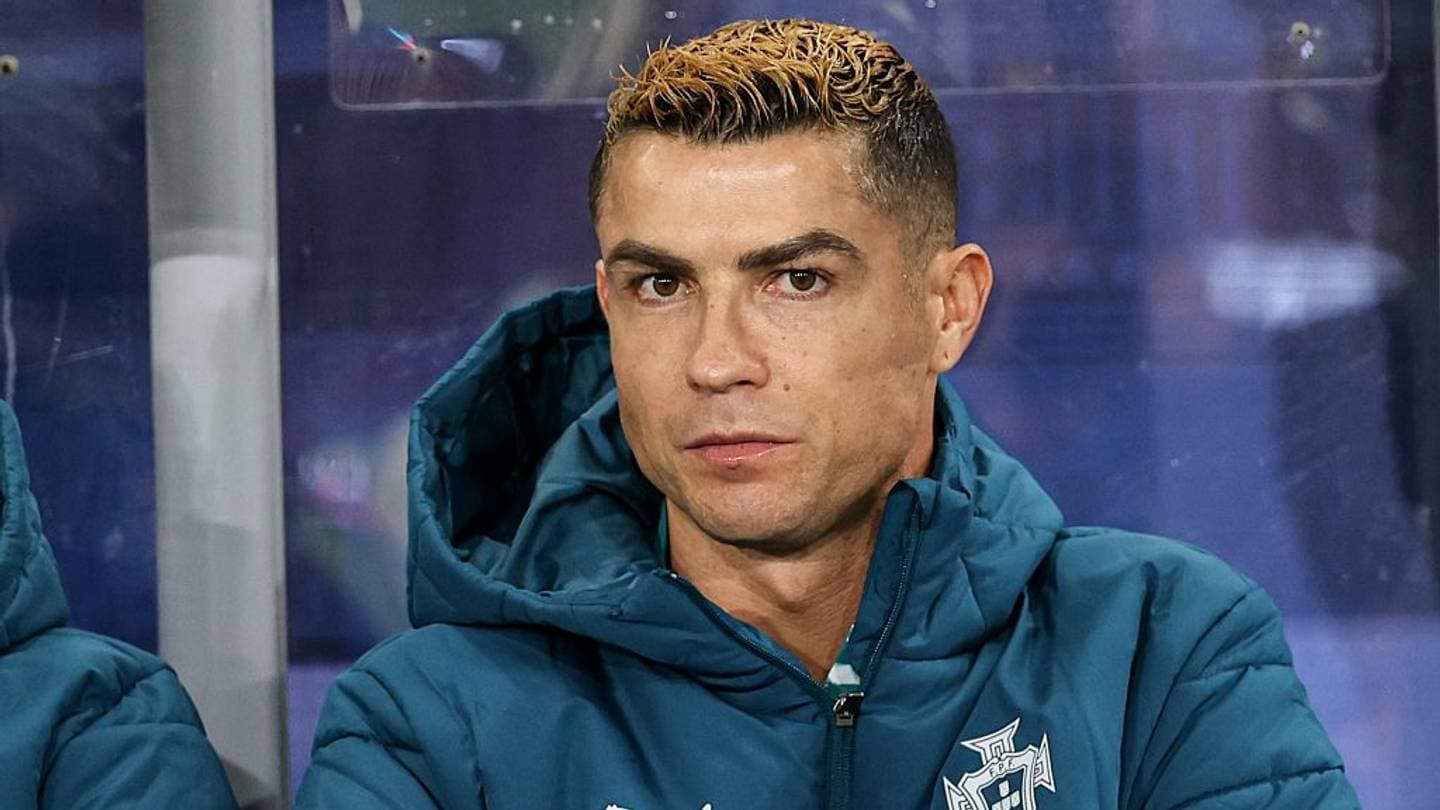
Suspensions for Cristiano Ronaldo and Folarin Balogun were quashed. Rules were bent to help Lionel Messi’s Inter Miami into the Club World Cup. The United States was allowed to bar Somali referee Omar Artan from entering the country. Fifa cosied up to Trump, then created a peace prize and handed it to a man who went on to start an illegal war.
Each move told its own story. Together, they formed a pattern.
A Byword for Greed
Fifa has long been shorthand for excess, but the Infantino era has given that image a new edge. In the United States, ordinary fans did not blame “the organisers” or “the system” for eye-watering ticket prices. They blamed Fifa by name.
This was not a body seen as neutral or principled. Preferential treatment for the Trump administration, a sense that decisions were shaped in or around the White House, and a strategy to sell off the World Cup without telling most of the sport – all of it fed into the same conclusion.
Fifa did not stand for the global game. It stood above it, and apart from it, jealously guarding its power while insisting everyone else should simply trust its judgment.
Now it talks about restoring confidence. It talks about integrity, governance, due process. It warns that criticism will not be tolerated.
If Fifa is serious about its reputation, the route back is not complicated. It demands honesty. It demands transparency. Above all, it demands new leadership.
The latest communiqué from Infantino’s Fifa offered none of that.