.svg&w=384&q=75 "Naijagoal logo")

Fermín's Return to Spain Squad After World Cup Heartbreak
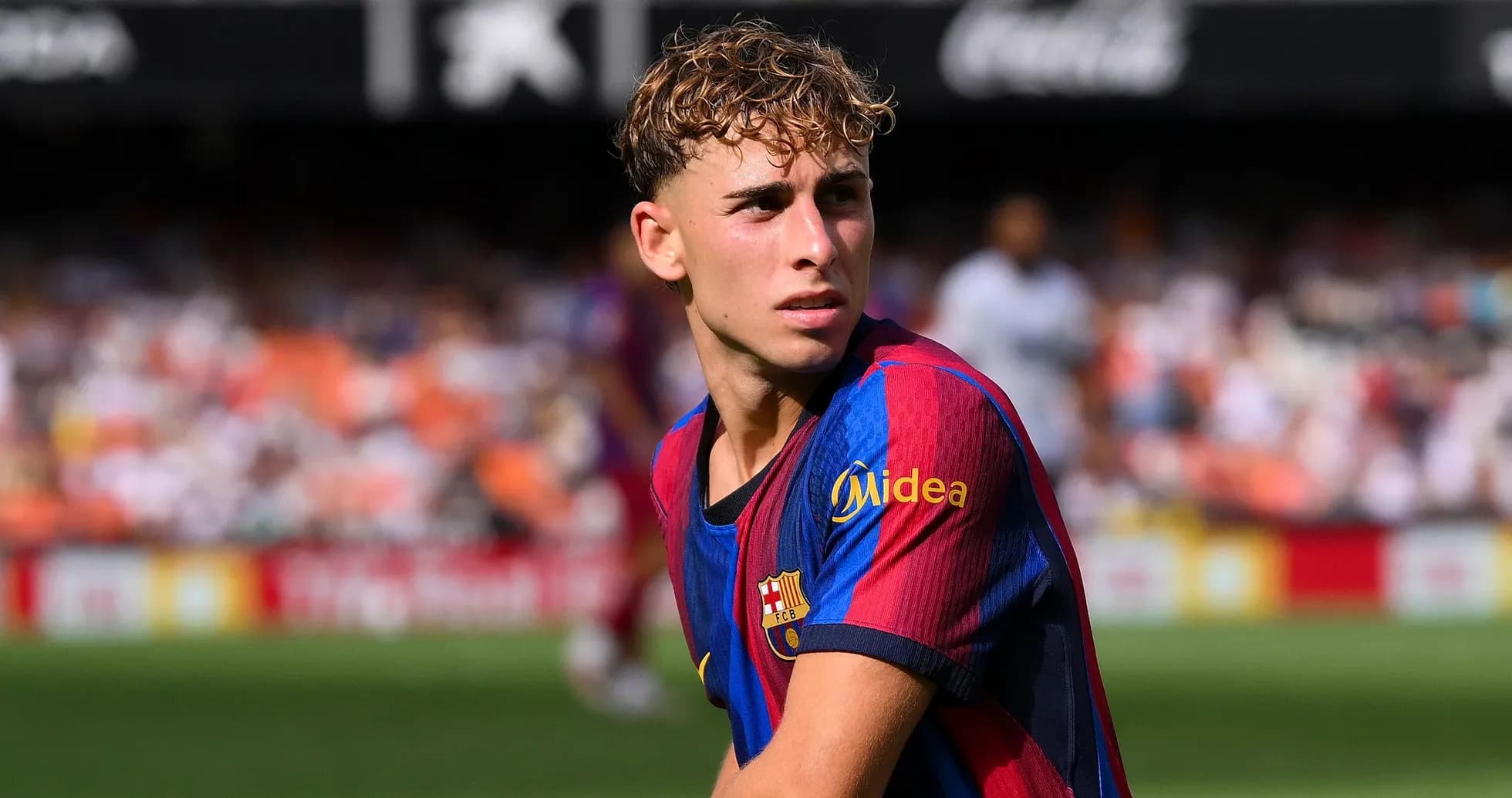
At the final whistle in the cauldron of the Sanchez Pizjuan, Fermín walked off with more than just three points in his pocket. He carried something heavier, something personal: a route back into the Spain squad and a sense that a difficult chapter in his young career is finally closing.
The La Masia product, born just up the road in El Campillo, has been recalled by Luis de la Fuente for the upcoming Nations League fixtures. For a 23-year-old who had to watch the 2026 World Cup from the sidelines because of a physical setback, this call-up lands with real emotional weight.
He didn’t pretend otherwise.
"I am very happy to return to the national team. It was very hard not to go to the World Cup. I have started the season well and I am happy to return to the national team," Fermín said, laying out the mix of relief and determination that has driven his start to the campaign.
Raphinha, the “unexpected number nine”
On the night, though, the spotlight burned brightest on Raphinha. His hat-trick ripped through Sevilla’s back line and underlined just how dramatically his role has shifted under Hansi Flick.
No longer chained to the touchline, the Brazilian keeps drifting into central pockets, operating almost as a striker rather than a traditional winger. The change has transformed his numbers. With 12 goals in seven matches, the former Leeds United forward has surged to the front of the early Pichichi race and looks nothing like a stopgap solution.
For Fermín, that evolution has been as startling as it has been effective.
"Raphinha is our unexpected number nine. It’s tremendous what Raphinha is doing. He is very good and he adapts to any position. We give him the passes and he scores the goals. He had never played as a center forward and he is putting up very good numbers,” the midfielder noted, half in admiration, half in disbelief at how seamlessly his teammate has embraced the role.
Surviving the Sevilla storm
The scoreline might suggest control. The reality on the pitch was different.
Sevilla, roared on by their home crowd, came hard.
Fermín underlined just how suffocating that pressure can feel in Nervión, where the noise never really dips and every loose touch is hunted down.
“Sevilla puts a lot of pressure on us here at their stadium, and Raphinha’s three goals have been decisive. The manager asks us to be very intense, to press high after losing possession,” he revealed.
That last line goes to the heart of Flick’s blueprint. Lose the ball, swarm it. Push the back line up. Squeeze the space until mistakes arrive. It is a demanding way to play, especially in a stadium like the Sanchez Pizjuan, but nights like this show why the coach insists on it.
For Fermín, that intensity is no longer just a tactical demand. It mirrors his own journey: forced to press again after losing what should have been the biggest stage of his career. Now, with Spain calling and Raphinha in lethal form ahead of him, the question shifts from recovery to ambition. How far can this version of him – and this version of his team – actually go this season?