.svg&w=384&q=75 "Naijagoal logo")
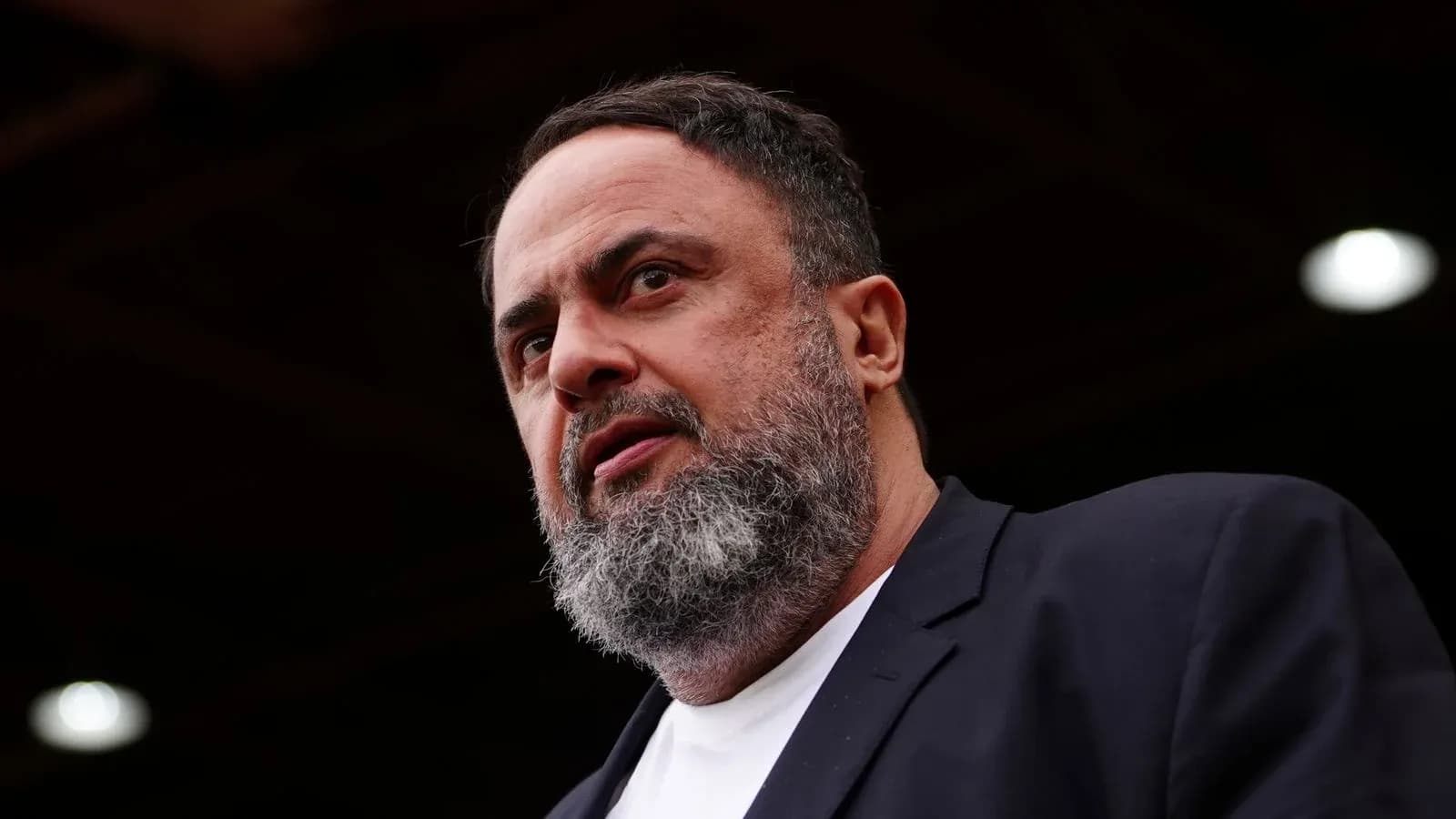

Evangelos Marinakis Launches High Court Defamation Claim Against Crystal Palace
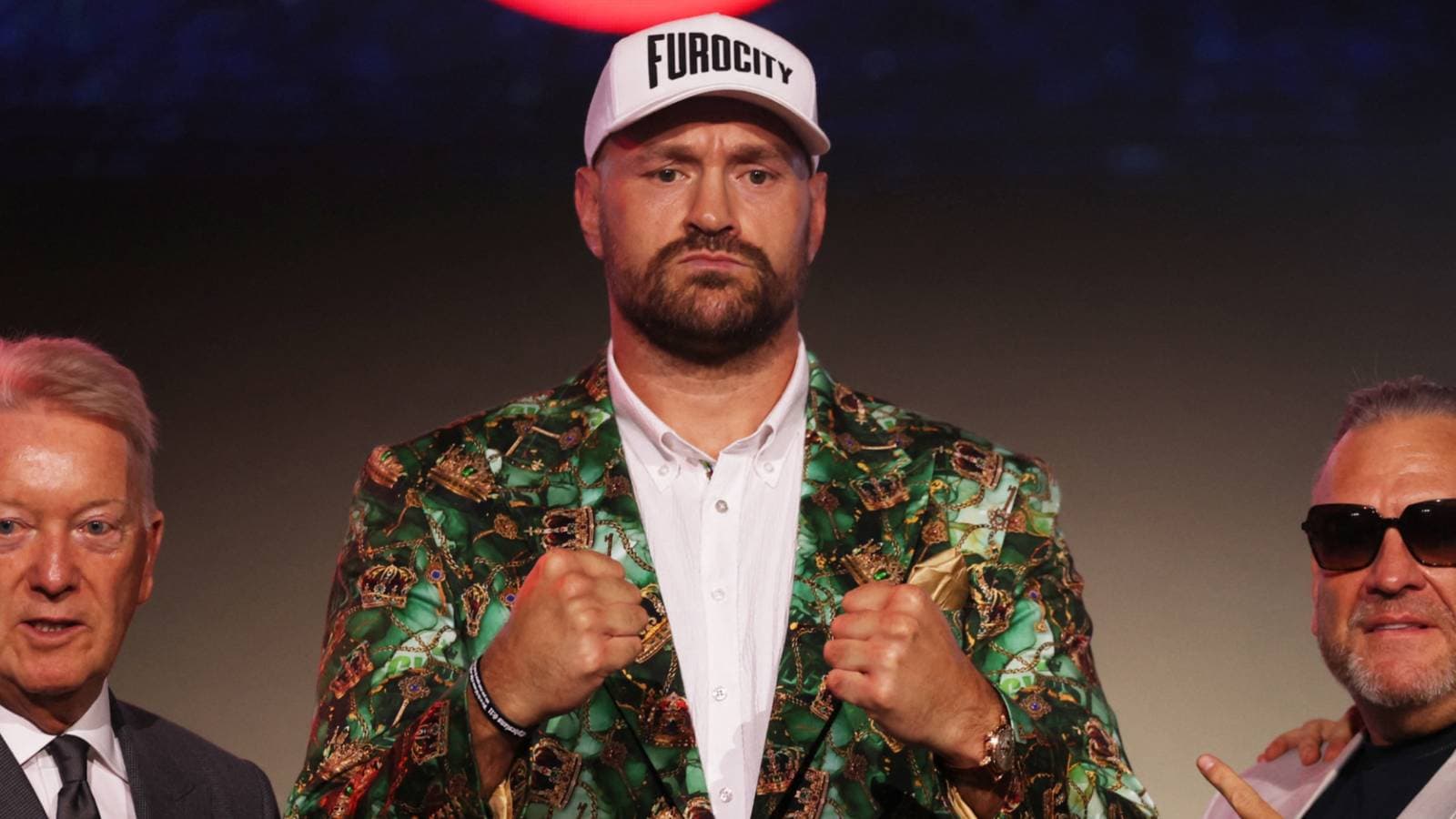
Evangelos Marinakis has launched a High Court defamation claim against Crystal Palace after a controversial banner depicting the Nottingham Forest owner holding a gun to the head of Morgan Gibbs-White was displayed at Selhurst Park last season.
The flag appeared in August, during a period of intense speculation over Gibbs-White’s future. A proposed move to Tottenham had collapsed, and the midfielder went on to sign a contract extension at the City Ground instead. The banner, unfurled in the Palace end, did not just mock that saga; it also carried lurid, unsubstantiated allegations about the Greek billionaire’s wider business activities.
Marinakis has now taken the dispute out of football’s disciplinary corridors and into the legal arena. The claim was lodged in the High Court last week, signalling his belief that the fallout from the incident stretches well beyond a routine matter of crowd behaviour.
The Football Association had already investigated the banner, concluding its process in November. Palace were charged and fined £50,000 for the incident. For Marinakis, that sanction is nowhere near enough. Sky Sports News understands he believes the image caused global damage to his reputation and that a domestic governing body’s punishment cannot repair what he sees as a serious and far-reaching smear.
At the heart of his case lies a simple contention: Crystal Palace, in his view, failed to stop the banner being displayed and failed to remove it swiftly once it appeared. His legal team is now working to establish precisely where the club’s responsibility begins and ends in relation to material brought into the stadium and exhibited by supporters.
FA regulations are clear in principle. Clubs must ensure their fans do not engage in behaviour that is “improper, offensive, abusive, insulting and/or provocative”. In practice, that duty is often tested on nights like the one at Selhurst Park, when the line between provocative fan culture and actionable misconduct is pushed to its limit.
Defamation law offers three main routes for a claimant: the publication of alleged false statements, the creation of an image, or the act of allowing such an image to be displayed. Marinakis’ claim leans heavily on that final point, arguing that the decision – or failure – to prevent the flag from being seen by a stadium and television audience carries legal consequences.
Crystal Palace have been contacted for comment. Nottingham Forest, approached separately, declined to comment on what they described as an ongoing legal matter.
What began as a pointed piece of terrace theatre has now become something far more serious, with a Premier League club facing a courtroom battle over where free expression in the stands ends and reputational damage begins.