.svg&w=384&q=75 "Naijagoal logo")
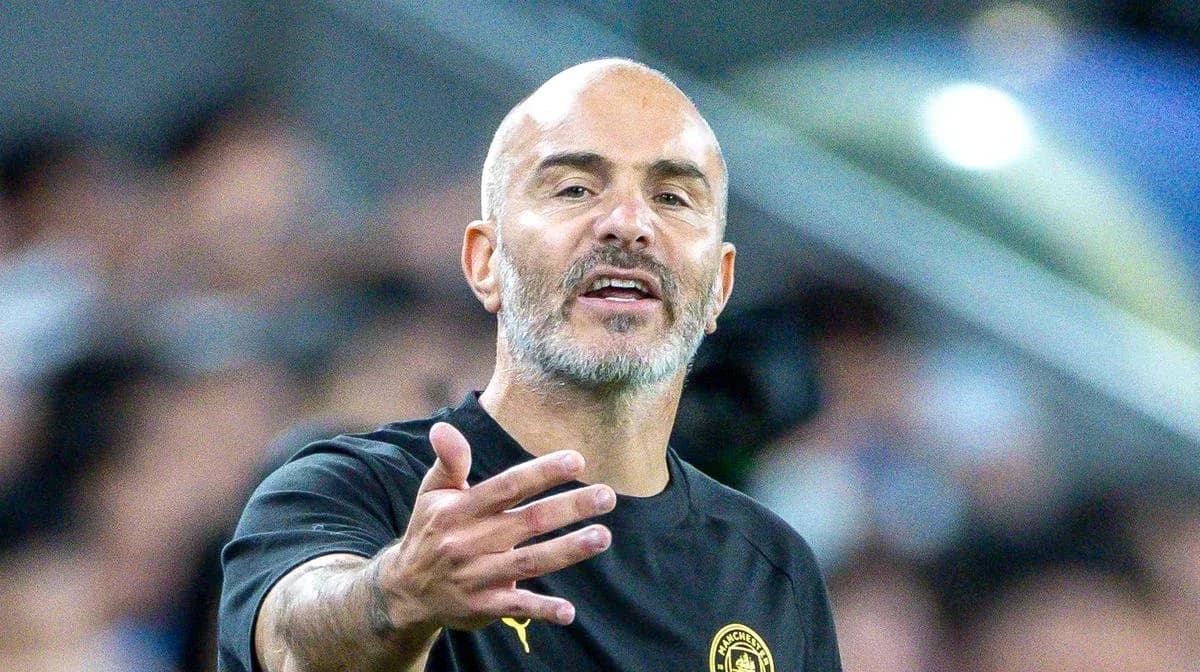

Enzo Maresca Redefines Manchester City Captaincy
Enzo Maresca has been in the Manchester City job only a short time, but one thing is already clear: this will be his dressing room, his rules, his captains.
The Italian has shut down the long‑standing tradition of players voting for their skipper. There will be no ballot, no quiet lobbying, no popularity contest. Maresca will handpick his leadership group, and he wants it to carry a distinctly English voice as City step into a new chapter.
Dias to the front
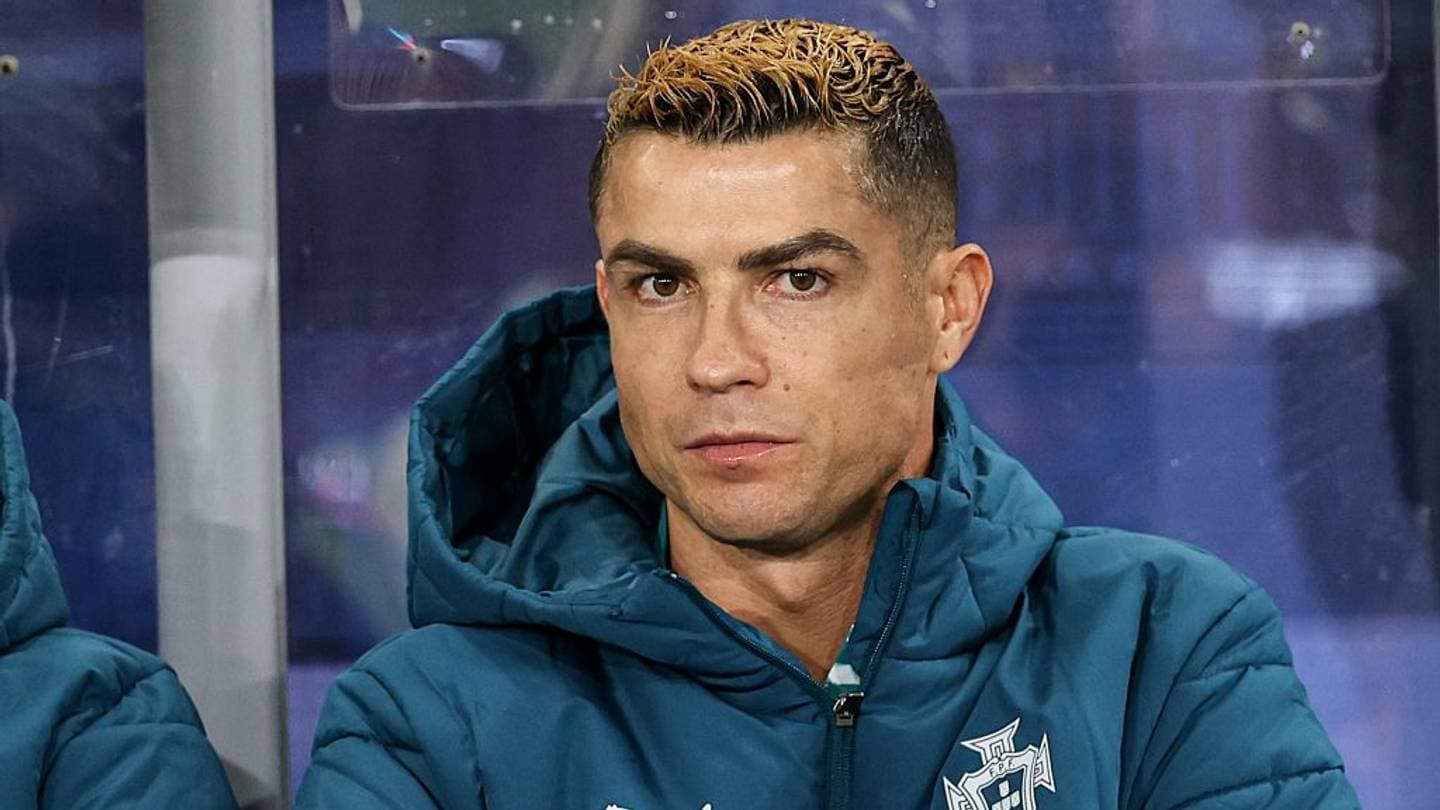
With Bernardo Silva gone to Real Madrid, the armband is expected to land on the arm of Ruben Dias. It feels like a delayed inevitability.
The Portugal defender was a leading candidate last summer before Pep Guardiola halted the dressing-room vote. Dias has since stared down interest from elsewhere and chosen to stay in Manchester, a decision that only strengthens his standing as the natural figurehead of this side.
Last season’s leadership group was thin: Dias, Erling Haaland and Rodri. Now Barcelona are moving quickly to prise Rodri away, leaving more than just a tactical hole in City’s core. It leaves a vacuum in personality, in voice, in the huddle when the game starts to turn.
Maresca intends to fill it on his terms.
English spine demanded
The new manager wants at least one of his captains to be English. Not as a token gesture, but as part of the identity he wants to build around the squad.
Phil Foden has already stepped forward in public. Now the longest-serving member of the first-team squad, he has admitted he feels a responsibility to grow into that role. At 26, the midfielder is no longer the academy wonderkid; he is the reference point for what City are and what they want to be.
The last two years have not been kind to his reputation after he was crowned the Premier League’s best player. Form dipped, rhythm slipped, and the unstoppable rise stalled. Maresca’s arrival offers something different: a reset, a chance for Foden to match his talent with authority.
If he takes it, he becomes more than a fan favourite. He becomes a standard-setter.
New voices in a changing room
There are other candidates ready to climb into that inner circle.
Josko Gvardiol has the presence and the personality to take on responsibility if asked. The defender has never shied away from big stages, and he will not shrink from a bigger voice in the dressing room either.
Then there is Marc Guehi. Captain at Crystal Palace, he walked into City’s side in the winter window and looked as if he had always been there. Calm on the ball, clear in his defending, and already used to wearing an armband. He is still on his post‑World Cup break, but once he returns, Maresca will have a ready-made leader to assess at close quarters.
Nico O’Reilly and Elliot Anderson are also due back next week, adding to the pool of homegrown options who understand the demands of English football and the culture Maresca is trying to shape.
A different kind of power shift
This is not just a reshuffle of names on a leadership board pinned to a training-ground wall. It is a deliberate power shift.
Under Guardiola, the dressing room had a say. Under Maresca, the hierarchy will be drawn from the manager’s eye, not the players’ vote. He wants captains who reflect his ideas, his intensity, his standards — and he is prepared to make bold calls to get them.
Dias looks set to be the figure at the front. Around him, a new core will form, with at least one English voice woven into the group.
The question now is not whether City will find leaders. It is which of these players will seize the chance to define Maresca’s Manchester City from the inside.