.svg&w=384&q=75 "Naijagoal logo")

England's World Cup Journey: 24 Million Tune In for Semi-Final Heartbreak
Twenty-four million people held their breath as England’s World Cup dream slipped away.
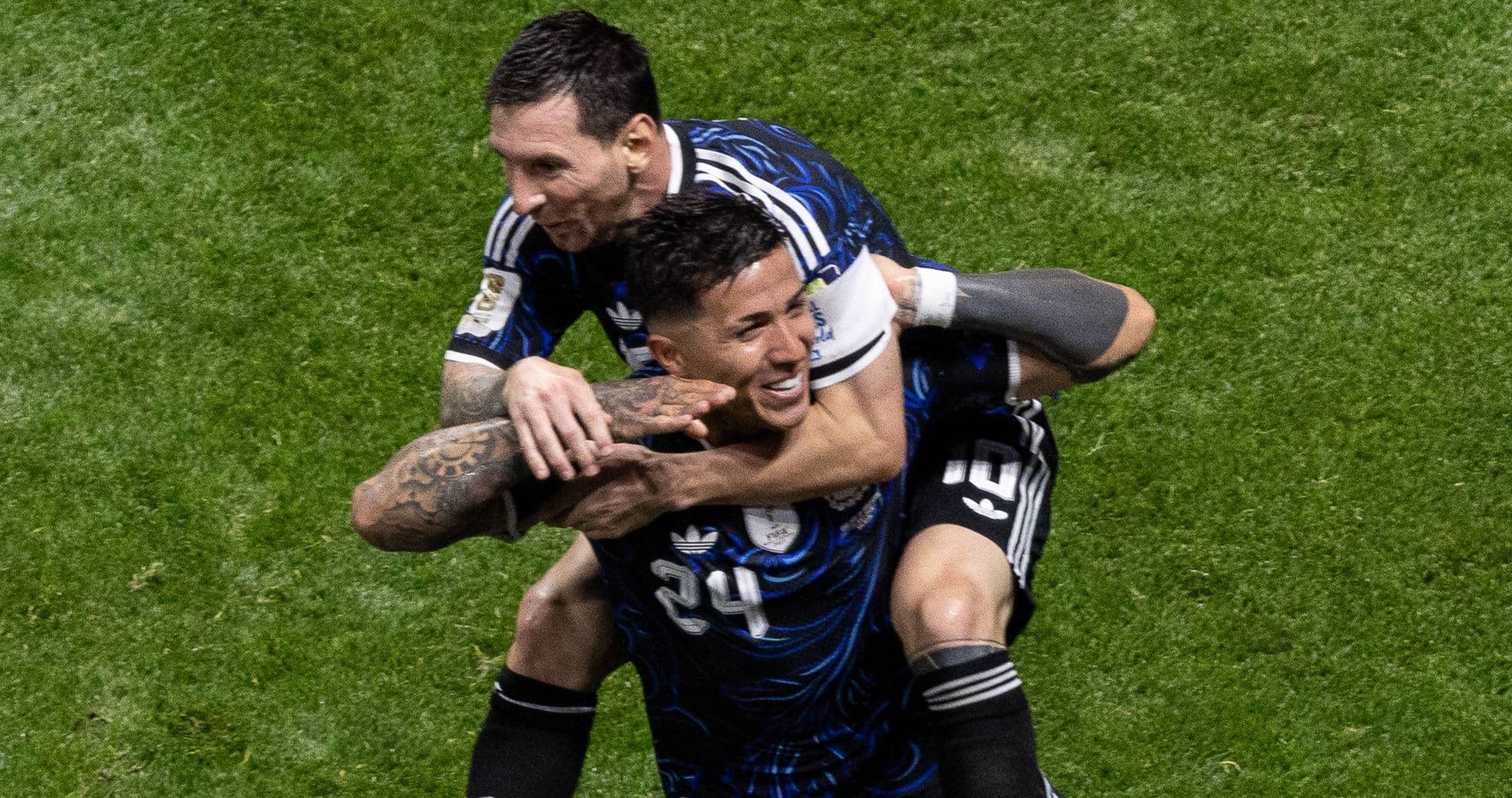
On Wednesday night, as Argentina edged Thomas Tuchel’s side out of the FIFA World Cup semi-final, BBC One and BBC iPlayer drew an extraordinary peak audience of 24 million, commanding 85% of all TV viewing in the UK. No other live moment on British television this year has come close. Not since the Euro 2020 final between Italy and England in 2021 has a single broadcaster pulled in a live audience of that size.
For two hours, the country stopped.
The semi-final, a tense, absorbing contest that ended England’s campaign in heartbreak, averaged 22.1 million viewers across BBC One and BBC iPlayer. Fans tuned in not just to see whether England could reach the final, but to live every twist of a night that swung between hope and dread.
The numbers behind the broadcast tell their own story. The match was streamed 12.6 million times across BBC iPlayer, the BBC Sport website and the BBC Sport app as supporters chased every replay, every angle, every second of stoppage time. The appetite for the best possible picture was clear: more than 2.8 million UHD streams were registered, with a record 1.8 million concurrent UHD streams at the height of the drama. That is not just an audience; that is a nation demanding premium coverage for its biggest sporting moments.
Online, the scale was just as striking. The BBC Sport live coverage page on the website and app drew over 24.6 million views globally, including 18.8 million in the UK alone. Fans followed live text, instant analysis and post-match reaction deep into the night, unwilling to let go of a game that had already slipped away from England on the pitch.
The second screen is no longer a novelty. It is part of how people now watch football. The BBC’s 3D second-screen experience was used 192,000 times during England v Argentina and has been accessed 4.6 million times across the tournament. Supporters are no longer satisfied with a single feed; they want angles, data, immersion.
One of the breakout digital stars of this World Cup has been Football Daily. The podcast has turned into a heavyweight player in its own right, generating more than 5 million streams. Over 3 million of those have come from the visualised podcast on BBC iPlayer, proof that fans want more than just the live whistle-to-whistle coverage. They want context, detail, storytelling. They want to stay in the world of the tournament long after the final whistle.
Social media has amplified that hunger. On Wednesday 15 July alone, BBC Sport content racked up 75 million video views across its platforms. Across the tournament, that figure has soared to 2.25 billion. Clips, reaction, analysis – shared, replayed and argued over in timelines and group chats across the country.
The story now moves to the biggest stage of all.
This Sunday, the 2026 FIFA World Cup Final between Spain and Argentina will be live on BBC One and BBC iPlayer from the New York New Jersey Stadium. Gabby Logan fronts the coverage, with Wayne Rooney, Micah Richards and Joe Hart alongside her inside the ground. Guy Mowbray and Alan Shearer will take commentary duties for a final that promises a different kind of tension: the chase for the trophy itself.
The full World Cup half-time show will also be broadcast live on BBC One and BBC iPlayer, wrapped around expert analysis and reaction from the BBC’s punditry team before and after the performance. For those on the move, live audio commentary comes via BBC Radio 5 Live and BBC Sounds, with Kelly Cates presenting from inside the stadium from 6.45pm ahead of the 8pm kick-off.
England’s story is not quite over either. Tuchel’s side face France in the third-place match on Saturday 18 July. Jason Mohammad will present coverage on BBC One and BBC iPlayer from 9.30pm, with live radio commentary on BBC Radio 5 Live and BBC Sounds from 10pm. Pride, redemption, and the chance to leave with something tangible still on the line.
Throughout it all, the BBC Sport website and app will continue to act as the tournament’s digital hub. Live coverage pages, second-screen options and the 3D experience will track every development, from tactical tweaks to emotional farewells.
Reflecting on the semi-final and the tournament’s reach, BBC Director of Sport Alex Kay-Jelski underlined what nights like these still mean in an era of fragmented viewing.
“Last night may not have brought the result England fans were hoping for, but it was another occasion that united millions across the UK in support of the team. Audiences came together on the BBC to witness a World Cup semi-final that captured the emotion, drama and pride that football can deliver.
“Throughout this tournament, audiences have turned to the BBC not just for the live matches, but to share in the stories, the analysis and the moments that bring the nation together. The extraordinary reach of our coverage across TV, iPlayer, BBC Sounds, the BBC Sport website, app and socials, reflects the enduring power of major sporting events to create shared experiences on a remarkable scale.
“We're incredibly proud to have been alongside audiences throughout England's World Cup journey, bringing every moment to fans across the UK. While England's campaign has come to an end, the story of this World Cup is not over. Sunday's Final promises to be another unforgettable occasion, and we'll be there to bring audiences every moment as Argentina and Spain battle to become world champions.”
England are out. The viewing figures say something else: the country is still very much in.