.svg&w=384&q=75 "Naijagoal logo")

England's World Cup Dream Ends – Barnes Defends Tuchel's Approach
England’s wait for a first World Cup final since 1966 goes on. A 1-0 lead in the semi-final, a place in history within reach – and then, in the space of late, brutal minutes, Argentina flipped the script.
Enzo Fernandez struck. Lautaro Martinez followed. From control to collapse, 2-1 to Argentina, and England’s campaign ended at the penultimate hurdle.
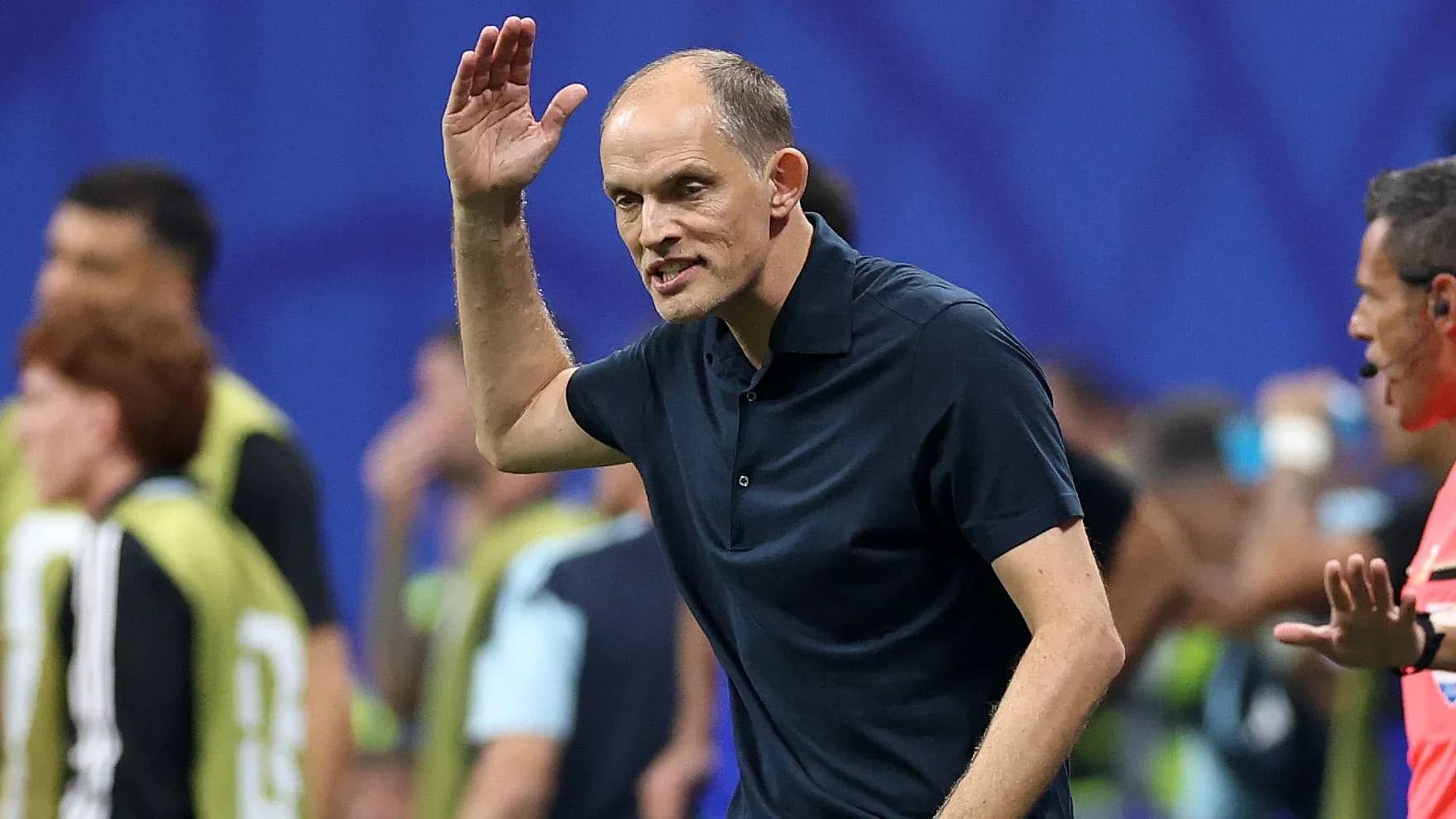
The inquest began before the final whistle had even faded. Why didn’t Thomas Tuchel go for a second goal? Why the caution? Why the conservatism?
John Barnes has no time for that argument.
“He did exactly the right thing”
Speaking after the defeat, Barnes stood firmly in Tuchel’s corner, insisting the manager’s approach matched both the game and England’s reality.
"We were 1-0 up in a tournament where we’re never going to dominate possession against, or outplay, anyone," Barnes told Betfred. "We were 1-0 up, so why should we make attacking substitutions because if he did that and we went on and lost, then people would be asking why he did that. He did exactly the right thing."
That is the crux of Barnes’ defence: this was not a side built to go toe-to-toe with Argentina in a passing contest, not a team designed to smother elite opponents with the ball. Protecting a narrow lead, digging in, playing the percentages – in his view, that was not fear. It was logic.
The late goals do not change his mind. For Barnes, the plan was sound; the execution, for most of the night, was too.
Expectations vs. Reality
The reaction from several former England internationals has been sharp. They have questioned Tuchel’s pragmatism, his reluctance to twist when the game seemed to invite a bolder hand. Barnes pushed back, not just on the tactics, but on the wider narrative around this squad.
"It didn’t go wrong. We’re number four in the world, so we should finish third or fourth, which is where we’re going to be. I don’t know why we expected anything different."
It is a cold, ranking-based assessment, but a pointed one. Barnes is effectively saying: this is England’s level. A semi-final, a narrow defeat to a heavyweight, a performance that mirrors the standings rather than the hype.
In that light, Tuchel’s conservatism becomes less a flaw and more a reflection of where England sit in the global order. Not a juggernaut. Not a free-flowing superpower. A strong, organised side trying to squeeze every drop from its structure.
The Tuchel Blueprint
Barnes went further, praising the clarity of Tuchel’s identity and insisting that, against Argentina, the German stayed true to his blueprint.
"When you have a manager like Thomas Tuchel, you know what you’re going to get. You’re going to be pragmatic, strong, disciplined and resilient. We’re not going to outplay teams, but instead we beat teams with our strength. Against Argentina we went 1-0 and every decision Thomas Tuchel made was the right decision. He responded to what was going on in front of him."
This is the trade-off with Tuchel. You do not hire him for chaos, for romantic football, for swashbuckling comebacks. You hire him for structure, for control, for the kind of game where a 1-0 lead is something to be guarded like gold.
For most of the semi-final, that is exactly how England played it. Compact. Organised. Willing to suffer without the ball. The plan frayed only when Argentina’s quality finally punched through in the closing stages.
The defeat will sting, and the debate around Tuchel’s approach will not fade quickly. But Barnes has drawn his line: judge England by who they are, not who people want them to be – and judge Tuchel by the job he was brought in to do, not by a fantasy of total domination.
The question now is not whether his game management was “right” in theory. It is whether England, with this manager and this identity, are prepared to live with nights like this as the price of staying at the sharp end of world football.