.svg&w=384&q=75 "Naijagoal logo")

England's World Cup Challenge: Attack Shines, Defence Worries
England’s forwards have arrived at this World Cup. Their defence, though, is already under cross‑examination.
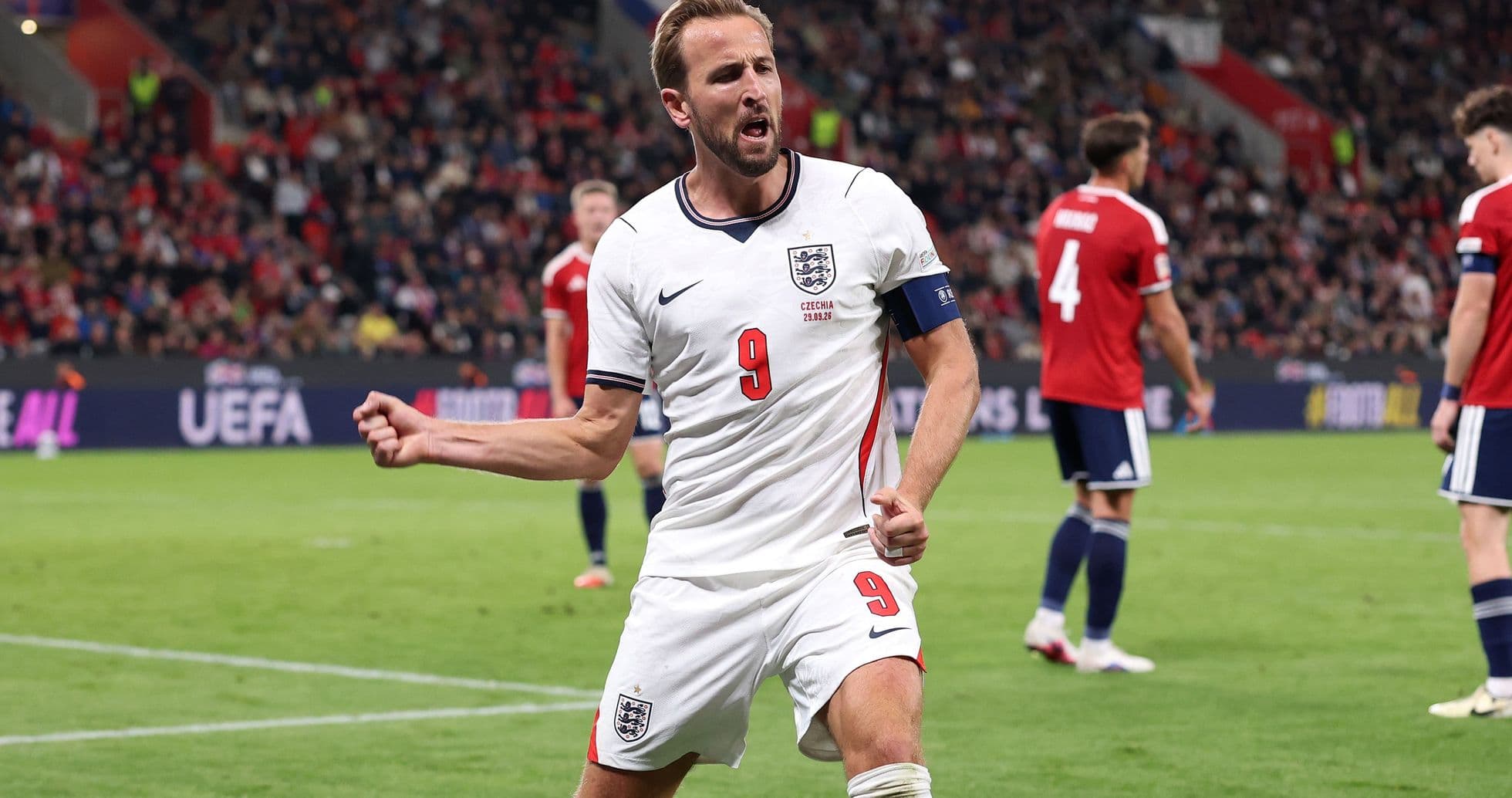
Thomas Tuchel’s side opened with a wild, breathless 4-2 win over Croatia in Arlington, Texas – a statement scoreline wrapped around a far less reassuring defensive performance. Twice England led in the first half. Twice they were dragged back by an ageing but savvy Croatia team. Only when the tempo rose and the game stretched did England’s attacking superiority rip through.
The win was important. The questions it raised may be more so.
Attack purrs, defence creaks
England face Ghana in Boston on Tuesday knowing victory, combined with Panama failing to beat Croatia, would send them through as Group L winners. On paper, they should arrive with swagger. They sailed through qualifying without conceding a goal in eight matches, and they’ve just put four past a seasoned World Cup opponent.
But Arlington stripped away the comfort of those numbers. The back line looked raw, uncertain, and at times overwhelmed by fairly modest pressure.
Gary Neville, watching on duty for Sky Sports, did not sugar-coat the impact of that first half.
"I think that it will make Thomas Tuchel adjust for maybe games two and three, and make him think slightly differently about how he sort of maybe plays that defence, and how he looks at protecting them," he said.
Tuchel has helped create this tension. He chose to leave at home three defenders who know this stage inside out: Real Madrid right-back Trent Alexander-Arnold and the Manchester United pair Luke Shaw and Harry Maguire. Those calls were bold, perhaps necessary in his mind to refresh a squad, but they have left England walking into a World Cup with a back line still learning the job in real time.
Then came another blow. Tino Livramento was ruled out before a ball was kicked in anger, replaced by Trevoh Chalobah – a defender with just a single cap.
A back line still in short trousers
Strip away the reputations and you see the numbers. England’s nine defenders have 191 caps between them. John Stones accounts for 90 of those on his own.
Against Croatia, three members of the back four were feeling the World Cup for the first time: Reece James, Ezri Konsa and 21-year-old Nico O’Reilly. James brings class but also a long injury file. Konsa has been excellent at club level but is still working out his international timing. O’Reilly, talented and fearless, is being asked to grow up fast on the biggest stage.
That inexperience coloured every Croatian attack in the first half. Runners weren’t tracked. Lines weren’t held. Clearances lacked conviction. England survived, then thrived, because their forwards were ruthless and Croatia eventually ran out of legs.
Against France, Spain or Argentina, that margin for error disappears.
Stones, Konsa, Guehi – Tuchel’s central dilemma
The debate now sharpens around the heart of the defence. Does Tuchel stick with Konsa, a player he trusts, or does he bring in Marc Guehi from Manchester City? Or does he go further and break up the partnership entirely?
Tuchel still leans heavily on Stones’ experience and poise. The 30-year-old started only five Premier League games last season before leaving City, but his calm on the ball and his reading of the game remain valuable currency to a coach who likes his defenders to play.
Not everyone is convinced that experience should trump athleticism.
Former England striker Chris Sutton has argued for a clean break: Konsa and Guehi together, Stones on the bench.
"I think Konsa and Guehi have better attributes in terms of one-against-one situations than John Stones and there will be times in games when they will be isolated one-against-one against players of the highest class," he told the BBC.
It is a blunt assessment, and it goes to the heart of tournament football. Tuchel must decide whether this World Cup will be navigated with the steady hand of a veteran or the speed and aggression of a younger pairing. The Croatia game hinted that England will face long spells without protection in midfield. When that happens, recovery pace and one‑v‑one defending stop being luxuries. They become survival tools.
Dressing-room calm amid outside noise
Inside the camp, the mood is calmer. Forwards tend to see the world differently when four goals have just flown in, and Ollie Watkins was in no mood to indulge the anxiety around the back four when he spoke at England’s base in Kansas City on Sunday.
"I think people are always going to try and criticise and find certain areas they can pick on but I think defensively we've got world-class players at the end of the day who have won major trophies and played at the highest level possible," he said.
"I think maybe we started the game a little bit nervously the other day but you've seen once the nerves are out of the lads' system, I think in the second half we absolutely blew Croatia away."
Watkins’ view reflects a classic striker’s logic: if you can outscore teams, the rest will follow. Tuchel cannot afford to think that way. He knows knockout football punishes fragility. One bad 10-minute spell, one lapse of concentration, and the tournament can tilt off its axis.
Ghana next – and the real test
Ghana in Boston offers both opportunity and risk. Win, and England likely secure top spot and a smoother path into the last 32. Switch off, and a physically powerful, direct side will expose the same cracks Croatia found.
Tuchel’s selection will tell its own story. Does he double down on Stones as the organiser, trusting that familiarity and rhythm will come with minutes? Or does he listen to the growing noise around Konsa and Guehi, and fast-track a partnership built for duels in open space?
England’s attack has already shown it belongs at this World Cup. The question now is whether the defence can grow up quickly enough to keep them there when the real giants arrive.