.svg&w=384&q=75 "Naijagoal logo")
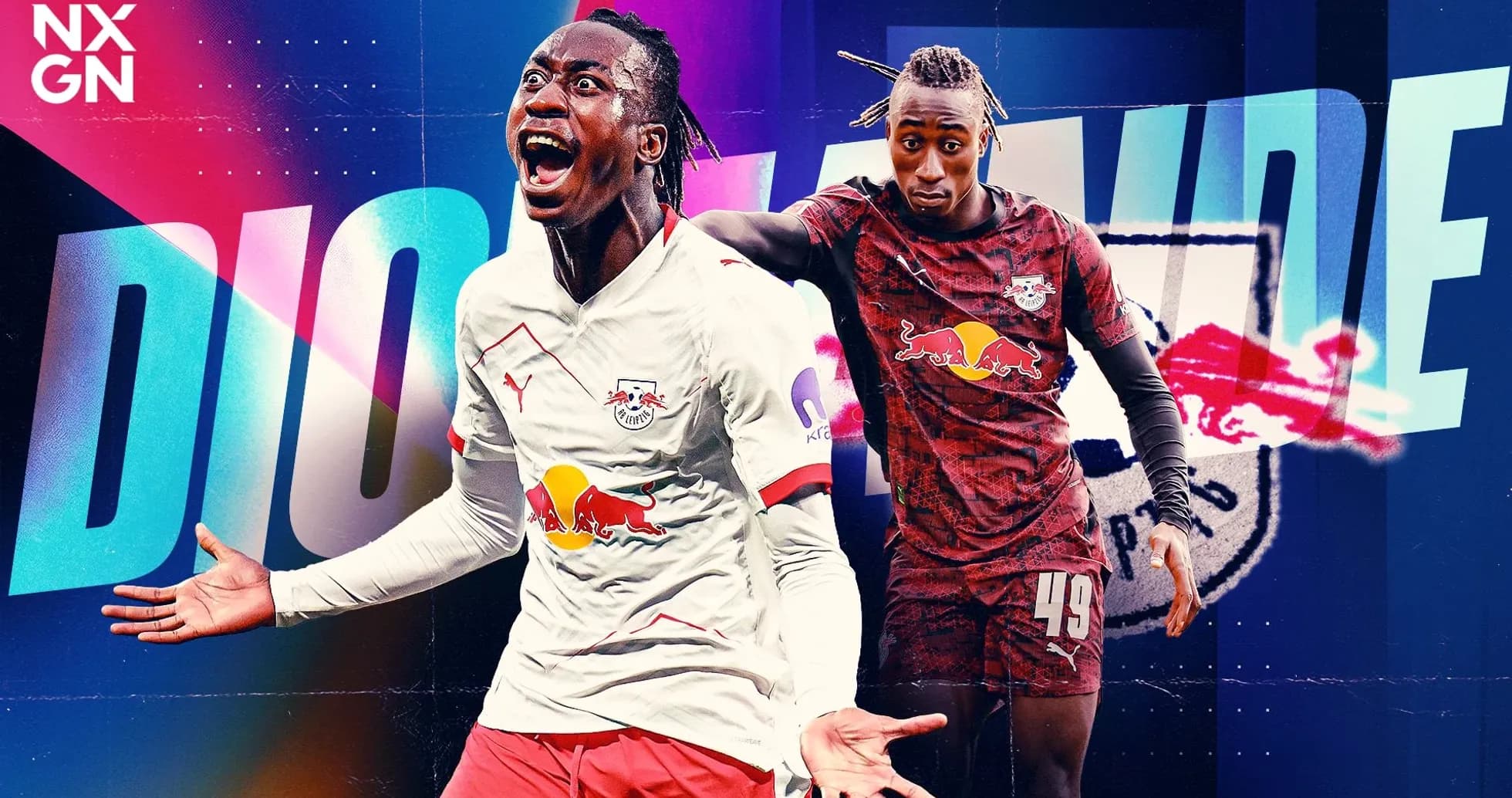

Diomande: The Versatile Winger Redefining Chaos on the Field
Diomande, the winger built for vertical chaos, is not Vinicius Jr. He is not a showman who strings together feints and pauses to knit attacks. His game is more direct, more violent in its intention. He doesn’t link lines. He tears through them.
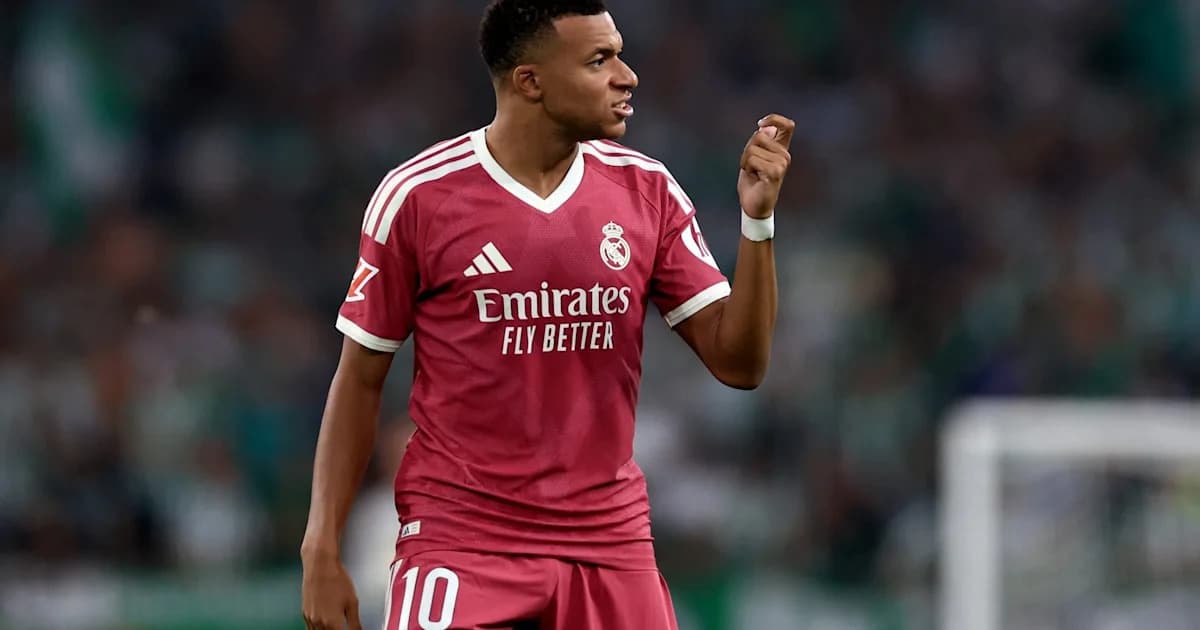
At the last World Cup, the Ivorian hit a top speed of 34.7 km/h. Even that doesn’t quite touch Kylian Mbappé’s 37.6 km/h, but it tells you enough: give him grass to attack and he becomes a blur. Defenders don’t so much jockey him as try to survive the first contact.
The numbers from the Bundesliga underline just how hard he is to live with. Diomande completed 118 successful dribbles from 213 attempts last season, almost double the tally of the league’s next-best dribbler, Michael Olise, who finished with 65 from 149. It’s not a stylistic flourish. It’s a weapon.
Two wings, two versions of the same menace
Where Diomande separates himself from Vinicius is in his versatility. Naturally a right-sided player, he can operate on both flanks without losing his edge. At Leipzig last season, he logged 1,591 minutes on the right and just 478 on the left, yet both zones revealed different layers of his game.
On the right, he plays like a classic touchline winger. He receives the ball to feet, wide and high, almost on the paint of the chalk. Then he waits. He draws his marker in, sizes up the scene, and if the route isn’t clear, he resets and goes again. There is a patience to him there, a calculated repetition.
With his natural right foot on the outside, he looks for space down the line, hunts the byline, and then cuts the ball back. He beats defenders less with intricate dribbles and more with raw attributes: strength in the duel, a sudden change of pace, the power to ride contact and emerge with the ball.
When he drives diagonally infield from that right side, the lack of a natural left foot shows. His left remains a tool, not a blade. It did still bring goals last season, often when he shifted the ball onto it at the last instant on the edge of the box, but the movement is functional rather than elegant. Over longer, snaking runs, that weaker side helps him roll past opponents, not slice through them.
That is where his most fearsome trait appears. Even without fully mastering the classic cut-in, he has built an “escape route” against deep blocks that shut off the outside lane. He drags defenders across, then punishes them by attacking the front or weak side with a cross. If you overprotect the touchline, he simply bends his run and hits the gap you’ve left elsewhere.
The data is emphatic. On the right wing, Diomande produces more of almost everything in the final third. Per 90 minutes, he attempts more dribbles (4.41 to 3.23), completes more crosses (0.91 to 0.67), and plays more passes into the box (2.21 to 1.48). His shot volume rises (1.7 to 1.48), and so do his expected goals (0.21 to 0.16). The downside is obvious: he also loses the ball more often (2.21 to 1.48). High risk, high churn, constant threat.
Shift him to the left, though, and the picture changes.
On the left, the chaos creator
Out on the left wing, Diomande looks looser, more liberated, even though he leans on his weaker foot. He still starts wide, but he doesn’t live there as constantly. The ball reaches him less often in those fixed, chalk-on-boots positions, and that difference shows up in the numbers: he records more touches inside the opponent’s box, 7.8 per 90 compared to 6.51 on the right.
From this side, he stops obsessing over the outside lane. He no longer relies on barging past his man down the flank. Instead, his right foot becomes the key. It lets him cut inside to shoot or whip in crosses, and that simple change of angle unlocks his boldest version. He plays more directly, backs his dribbling, and attacks the heart of defences.
Two metrics jump off the page. On the left, his expected goals rise sharply, from 0.84 to 1.17, and his expected assists almost double, from 0.21 to 0.43. The right flank turns him into a machine for generating situations: take-ons, crosses, repeated surges. The left transforms him into an agent of chaos, a player who bends games towards goalmouth action.
Even with limited minutes on that side, a pattern keeps surfacing. Diomande is ruthless at exploiting empty spaces away from the ball. What could have been a weakness—operating on his weaker side—has become an advantage. He often finds tight pockets with his back to goal, where defenders feel comfortable stepping in. That’s when he snaps into combinations: a quick lay-off, a one-two, and then he’s gone, exploding into the gap behind. With his pace and a clear runway, he becomes almost impossible to stop.
Relentless without the ball
Whichever flank he occupies, one part of his game barely shifts: the work he does without it. Energy defines him. When possession is lost, his pressing is not decorative; it’s decisive.
Among forwards with at least 1,000 Bundesliga minutes last season, Diomande led the division in ball recoveries with 148. He ranked second in pass interceptions with 16 and fourth in successful tackles with 19. These are not the numbers of a luxury winger. They belong to a forward who hunts.
At set pieces, he adopts a more reactive role, holding his zone rather than attacking the ball. The moment his team wins it back, though, he springs to life. Transitions are his playground.
On the counter, he often takes up a central starting position, ready to burst either side. When the space opens behind a back line, his dribbling becomes lethal. He doesn’t always need the ball early; sometimes the most dangerous version of Diomande is the one sprinting off it, timing his run to arrive just as the pass slices through.
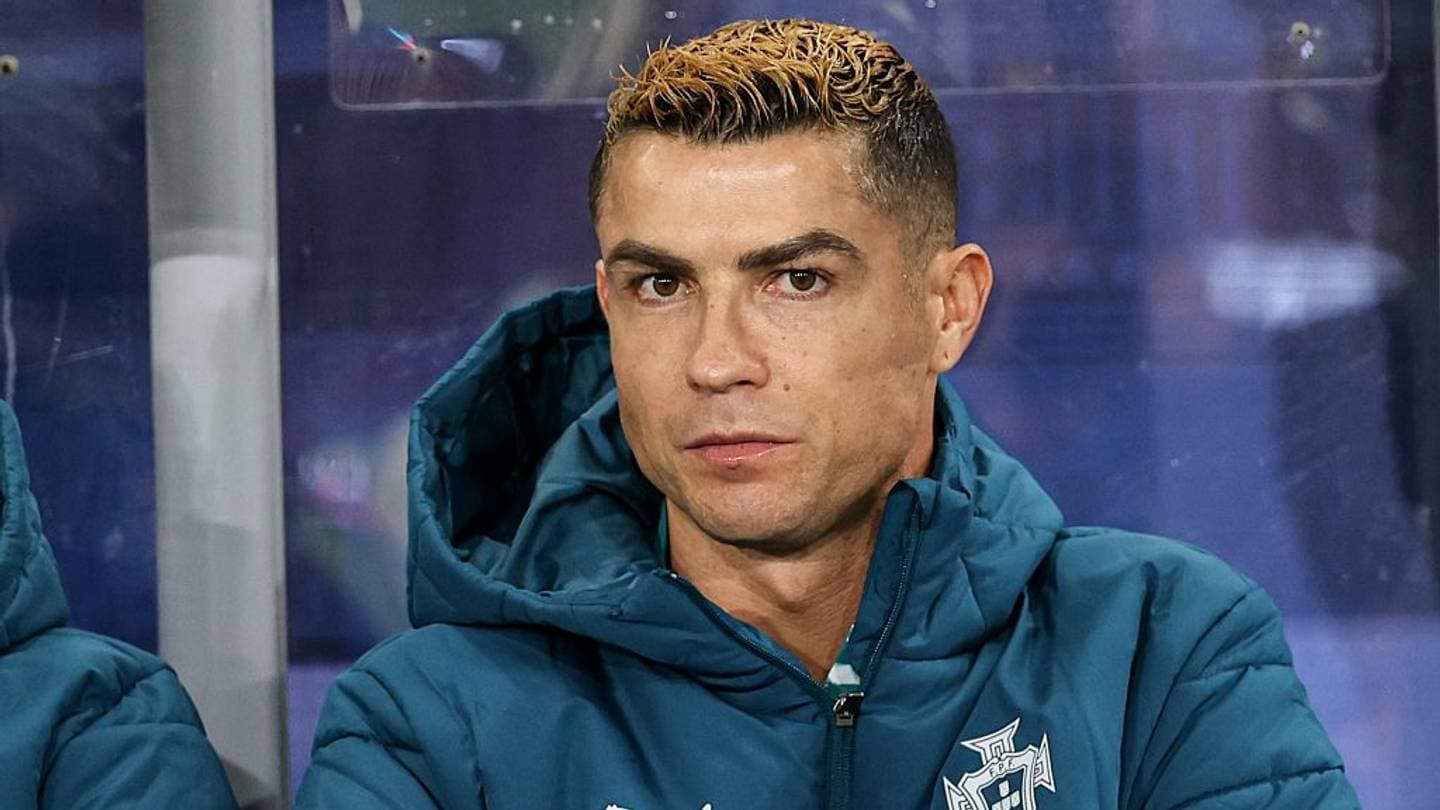
It is no coincidence that his profile stirs memories at the Bernabéu. Counterattacks were the defining weapon of José Mourinho’s first Real Madrid, with Cristiano Ronaldo and Ángel Di María ripping into open grass. Diomande carries the raw tools to attack those same corridors, to turn defence into a three-touch sprint towards the opposition box.
The question is no longer whether he fits that kind of football. The numbers, the running, the chaos all say he does.
The real question is simpler, and far more intriguing: will he carve up defences from the right, or will his most devastating version emerge cutting in from the left?