.svg&w=384&q=75 "Naijagoal logo")

Detroit City vs Louisville City: Tactical Analysis and Cup Outcome
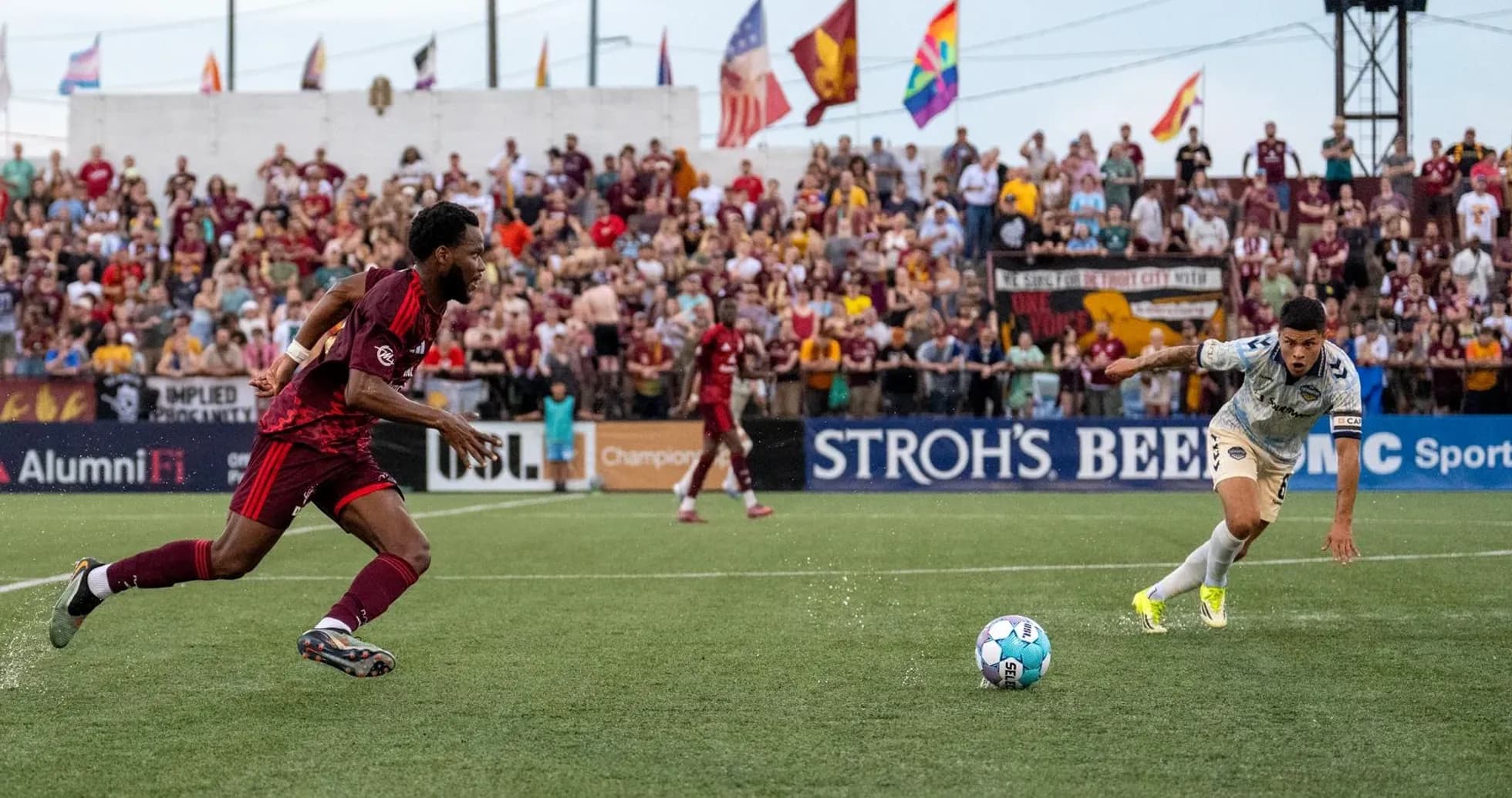
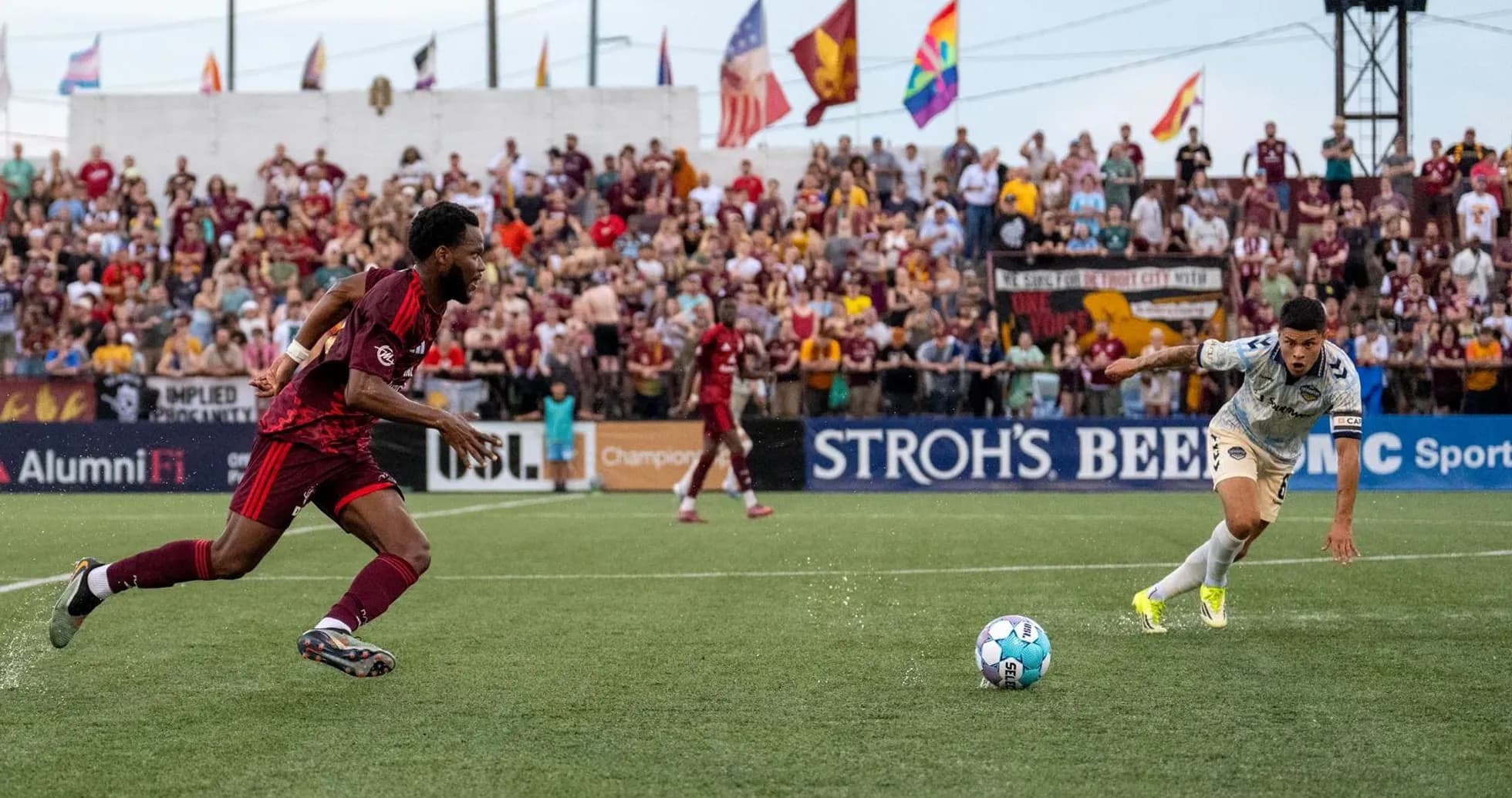
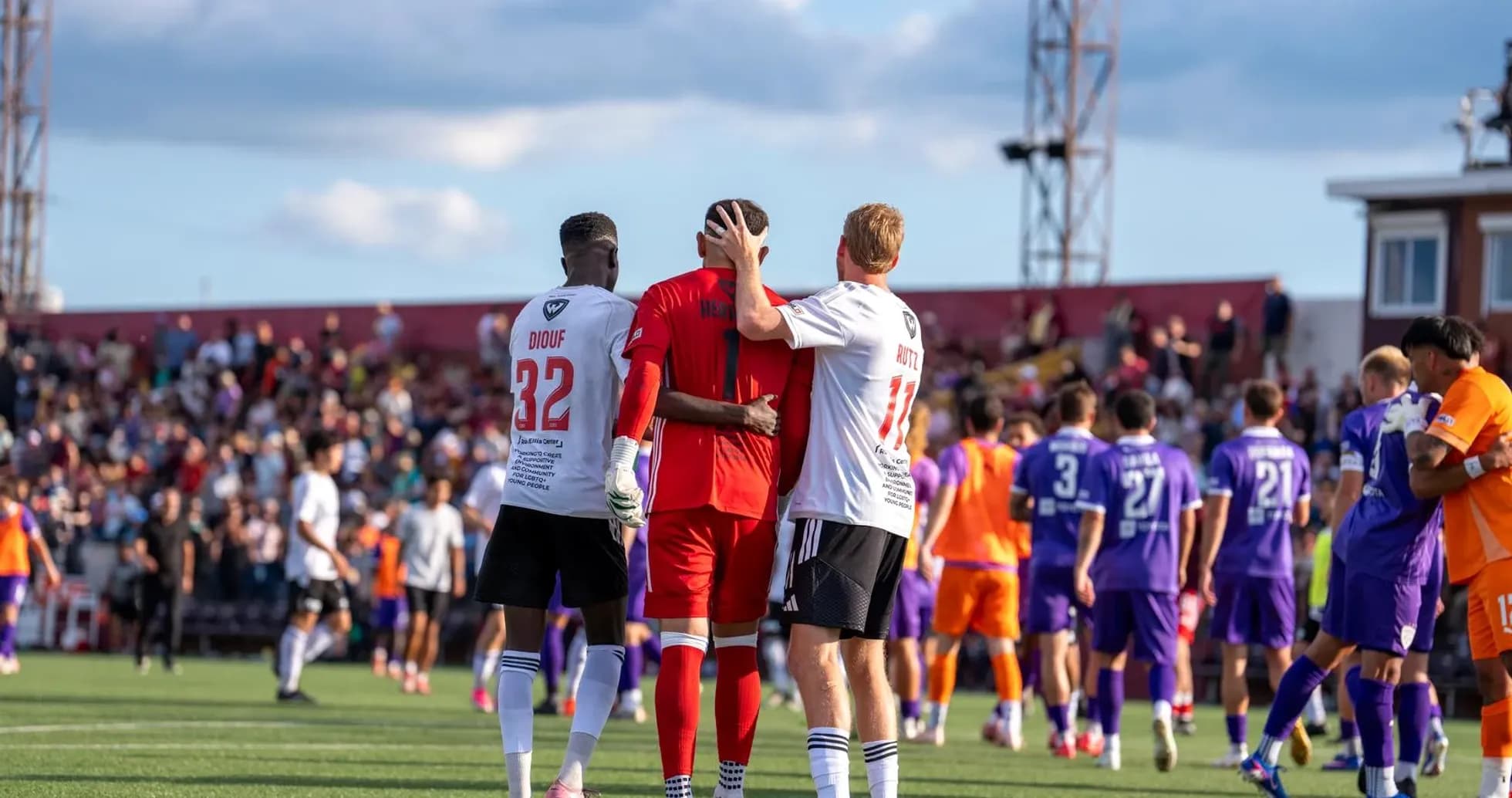
Under the lights at Keyworth Stadium, Detroit City and Louisville City played out a tense, goalless 120 minutes in the USL League One Cup group stage before the visitors edged a 4–3 penalty shootout. Following this result, the contrast between the two sides’ seasonal identities only sharpened.
Detroit came into the night as a team still learning the rhythms of cup football. Overall this campaign they had played 3 fixtures, winning 1 and losing 2, with 2 goals scored and 3 conceded. At home they had been fragile: 2 matches, both defeats, with just 1 goal for and 3 against. Louisville, by contrast, arrived as the group’s pacesetters. Overall they had 3 wins from 3, with 9 goals scored and only 2 conceded. On their travels they had been ruthless, winning 2 away games with 6 goals for and 1 against.
The 0–0 across regulation and extra time therefore felt like a moral victory for Detroit’s defensive structure, but the shootout defeat underlined the difference between a side still searching for cutting edge and a group that believes it will find a way, one way or another.
Tactical Voids and Discipline
With no official absentees listed, both coaches appeared to have near-full squads, making their selections a clear tactical statement rather than a forced compromise.
Danny Dichio leaned on solidity. C. Herrera started in goal, shielded by a back line built around the physical presence of R. Hope-Gund and D. Amoo-Mensah, with H. Yamazaki and T. Silva completing the defensive unit. In midfield, K. Hernandez-Foster and A. Stanley offered legs and bite, while Rafa Mentzingen and A. Diop were tasked with knitting transitions together. Up front, A. Diouf and B. Morris gave Detroit verticality and pressing energy rather than pure penalty-box craft.
The shape reflected Detroit’s season-long tension between caution and ambition. Overall they averaged 0.7 goals for per match and 1.0 against, with their home attack stuck at 0.5 goals per game. The decision to double down on defensive stability was understandable: they had kept just 1 clean sheet overall, away from home, and had failed to score in 1 of 3 fixtures. Here, Dichio clearly prioritised staying in the game for as long as possible.
Simon Bird’s Louisville, meanwhile, came in with the swagger of a side averaging 3.0 goals per match both at home and on their travels. D. Faundez anchored a back line featuring S. Totsch, B. Dayes, A. Dia and A. McFadden. Ahead of them, Z. Duncan and B. Niang provided the central platform, with J. Morris and J. Wilson giving width, R. Serrano floating as a creative threat, and T. Showunmi leading the line.
If there was a tactical “void” for Louisville, it was less about personnel and more about how to break down a low block that refused to open up. Their seasonal numbers suggested a team that normally blows games open early and keeps control: only 2 goals conceded overall, an average of 0.5 goals against on their travels, and no losses in any venue. Here, they were forced into patience and recycling rather than the vertical, ruthless transitions they usually thrive on.
Disciplinary trends also framed the contest. Heading into this game, Detroit’s yellow cards were spread across the middle of matches: 25.00% of their cautions between 31–45 minutes, 37.50% between 46–60, and another 25.00% in the 76–90 window. That profile hinted at a side that tends to grow more desperate as halves wear on. Louisville’s bookings clustered in the first hour, with 28.57% between 16–30 minutes, 28.57% from 31–45, and 42.86% between 46–60. Their aggression is front-loaded, often used as a tool to assert control rather than a sign of panic.
Key Matchups
Hunter vs Shield
The most intriguing duel on paper was Louisville’s collective firepower against Detroit’s attempt to build a defensive identity. Louisville’s overall tally of 9 goals in 3 matches, including 6 on their travels, marked them as the group’s most explosive attack. Detroit, however, had conceded just 3 goals overall, with a surprisingly clean away record and only 1.5 goals against on average at home.
In that context, the Herrera–Hope-Gund–Amoo-Mensah triangle became Detroit’s de facto “shield.” Their success in keeping Louisville to zero from open play was a major tactical win, suggesting improved compactness between the lines and better protection of the penalty area. The fact that Louisville, who had scored 5 in a single away game earlier in the campaign, were held scoreless for 120 minutes speaks to Detroit’s discipline in their own third.
Engine Room
In midfield, the contest between Detroit’s workmanlike core and Louisville’s more polished engine room shaped the game’s tempo. Hernandez-Foster and Stanley were tasked with disrupting Z. Duncan and B. Niang, who normally provide the platform for Louisville’s 3.0 goals-per-match attack.
Louisville’s slight edge in composure and ball circulation allowed them to dictate more of the territory, but Detroit’s willingness to foul in the middle phases—mirroring their season-long pattern of yellows between 31–60 minutes—helped them slow the visitors’ rhythm. Without detailed pass or duel data, the narrative is written in the scoreboard: Louisville controlled enough to avoid conceding, but not enough to translate that control into the kind of multi-goal performance they had enjoyed elsewhere in the group.
Statistical Prognosis and the Penalty Edge
From a pure numbers perspective, Louisville’s progression via penalties aligns with their broader statistical profile. They arrived with a perfect record from the spot this season: 4 penalties taken, 4 scored, a 100.00% conversion rate. Detroit’s relationship with penalties was far more fraught: 5 taken overall, with 3 scored and 2 missed, a 60.00% success rate and 40.00% missed.
In a shootout environment, those margins matter. The psychological weight of previous misses for Detroit, contrasted with Louisville’s spotless record, offered a quiet but powerful hint as to how the night might end once the whistle for full time—and then extra time—brought the xG battle to a stalemate.
Following this result, the group table tells a clear story. Louisville sit top of Group 4 with 6 points, a goal difference of +6 (8 goals for and 2 against in the standings snapshot) and the “Playoffs” tag attached to their name. Detroit remain further back on 4 points, with a goal difference of -1 (3 for, 4 against in the standings data), their campaign defined as much by narrow margins as by any structural flaw.
Tactically, the night at Keyworth showed that Detroit can now drag even the group’s most potent attack into deep water. The next step is obvious: turning that defensive resilience into something more than a coin flip from twelve yards, and finding a way to raise that total scoring average above 0.7 without sacrificing the shape that finally stood up to Louisville’s storm.