.svg&w=384&q=75 "Naijagoal logo")

De Zerbi's Ultimatum After Spurs Collapse: Silence and Accountability
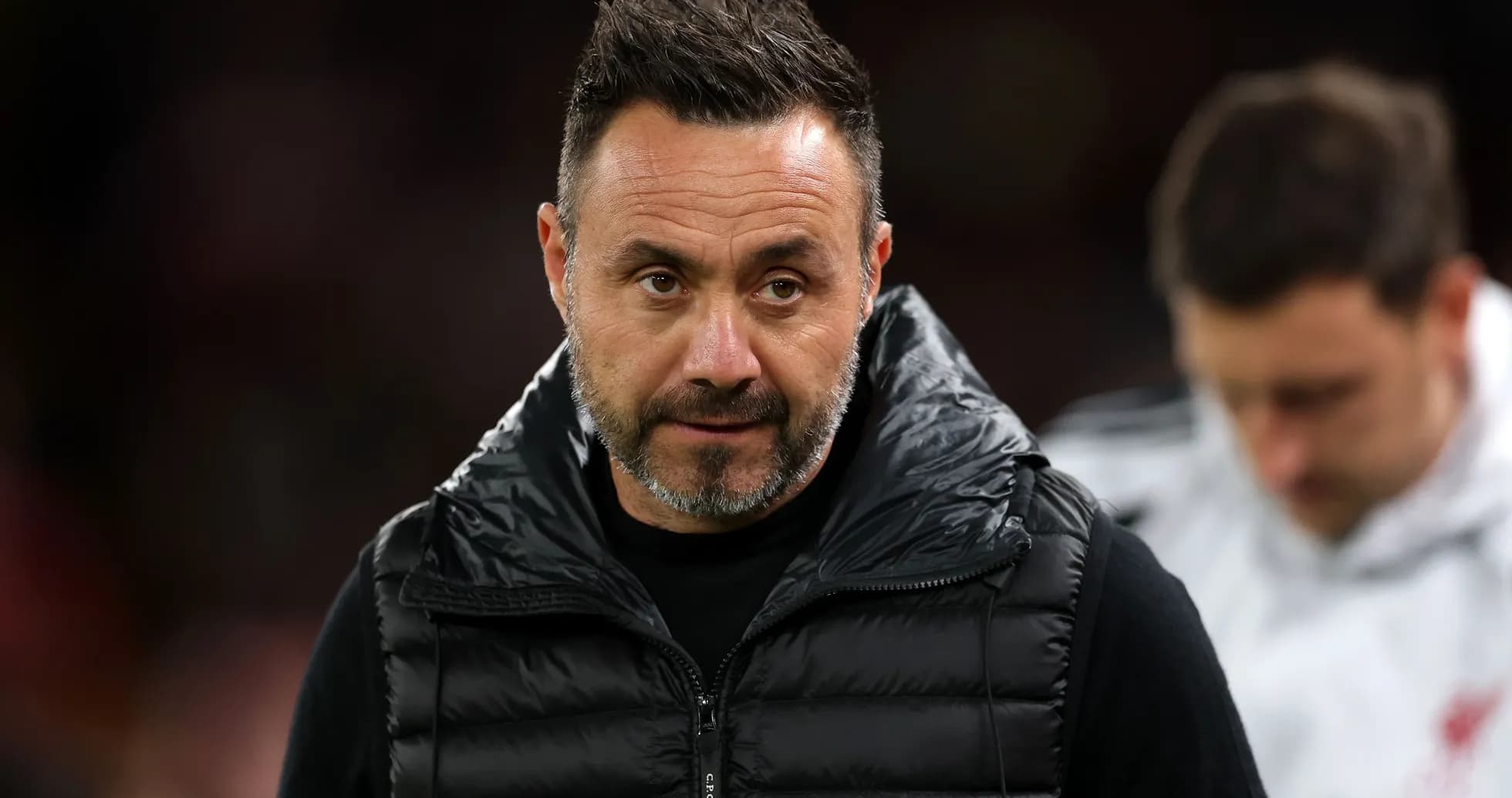
The noise inside Tottenham Hotspur Stadium told its own story. Boos, groans, disbelief. In the middle of it all, Roberto De Zerbi chose the one thing no one expected from him: silence.
The Italian, usually animated and vocal, refused to address his players in the dressing room after their late collapse. Not out of apathy. Out of restraint.
“Maybe it is better. I didn't speak with the players today because I didn't want to say nothing. No, I have nothing with them,” he said, later explaining he feared saying the wrong thing in the heat of the moment.
He didn’t stay quiet for long.
‘Unacceptable’ goals and absent leaders
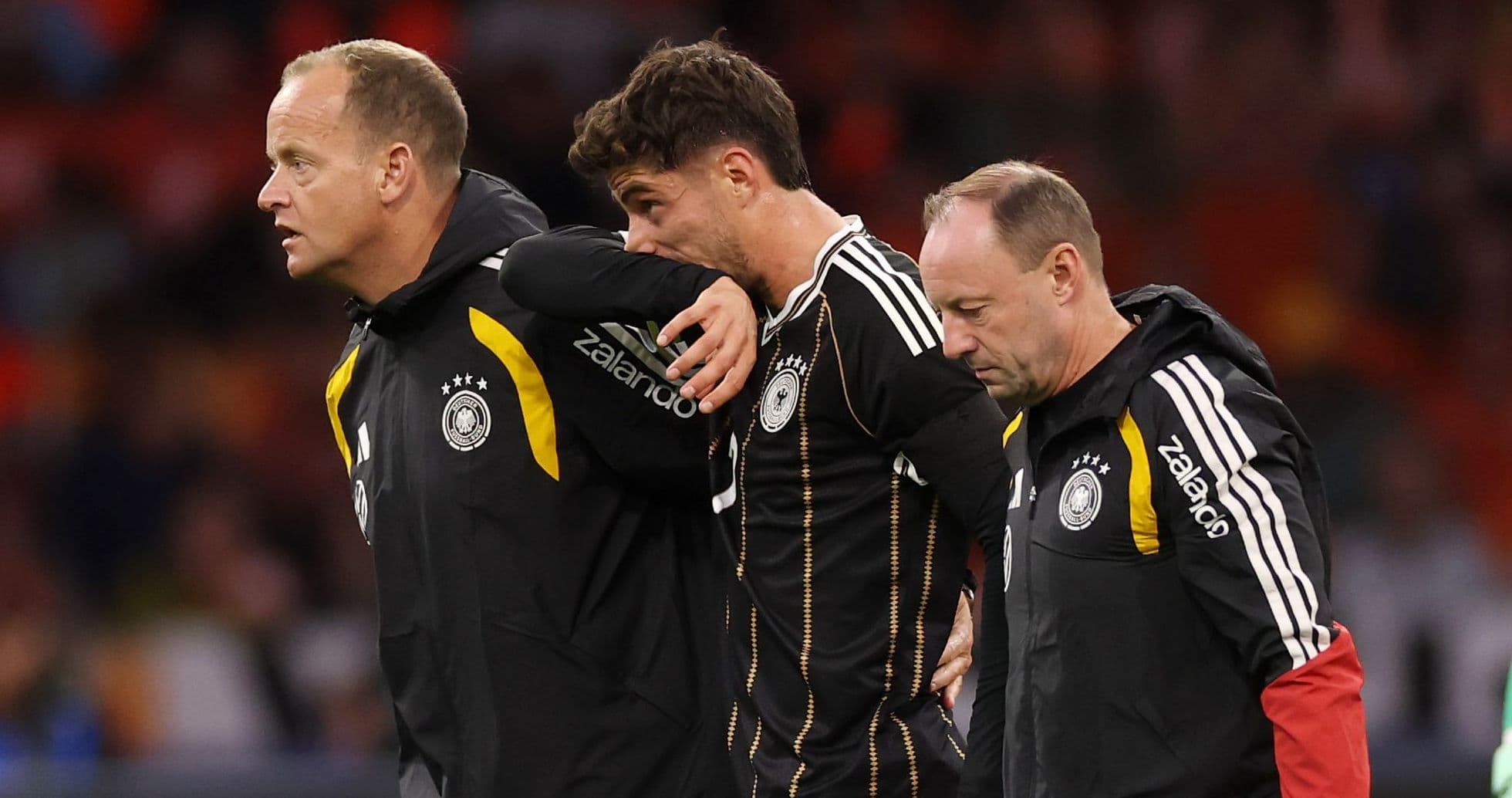
What really burned De Zerbi was not just the defeat, but how it unfolded. Spurs conceded while temporarily down to ten men, with Micky van de Ven off the pitch receiving treatment for a facial injury. Then they were undone by a simple, direct ball from a goal kick – the sort of route-one moment they had prepared for in detail.
“We conceded an unacceptable goal from a long kick with a long ball and we knew before the game,” he said, frustration clear. “Because this season Aston Villa are playing 86 per cent more long balls than last season and we spoke in many, many meetings.”
The preparation was there. The response on the pitch was not.
For De Zerbi, that’s on his senior players as much as his tactical plan. He demanded more authority in the chaos, more personality when the game changed shape.
“It's my responsibility, I take my responsibility,” he insisted. “But in that moment of the game, when the game is different than ball possession, than playing in the last third, because we can't play 90 minutes in the last third like the first half, because there is an opponent, Aston Villa is not a so bad team, it's a good team.
“And the moment when we have to defend and we have to defend compact the leaders have to be leaders and to lead the team.”
The message was blunt: when the game turns, his leaders must turn with it – and drag everyone else with them.
Solanke under the spotlight
One of those expected to carry that burden this season is Dominic Solanke. So far, he has not.
The marquee signing was supposed to give De Zerbi a ruthless focal point in attack. Instead, during the opening month of the campaign, he has looked short of sharpness and short of conviction.
De Zerbi did not hide that reality, but he also refused to hang his striker out to dry.
“We need more from him for sure, but he's one of my players, I like Dom as a player and I stay with him until the end,” he said.
“He needs to stay, to feel better, his physical condition is not good enough for sure, but it's normal for him. Maybe he's not good enough in the confidence of himself in this moment because he's much better than this Dom Solanke.”
It was both a critique and a public show of faith. De Zerbi expects more, believes there is more, and is prepared to wait – but not indefinitely.
Break comes at the right time
Now comes a three-week international break that could easily have felt like an unwelcome interruption. De Zerbi sees it very differently.
With a chunk of his squad heading off to join their national teams, he knows those players will keep their rhythm elsewhere. His focus turns to those who stay behind – and to the physical and mental reset he clearly feels his side needs.
“The players who go with the national team they have to play, they have to work,” he said. “And the other players like [Conor] Gallagher, Solanke, Tosin [Adarabioyo], [Marcos] Senesi, Savio for sure we have to work more because of the physical condition I didn't like in this game.”
The plan is simple: an intense block of work for those remaining, with fitness and resilience pushed to the fore.
The silence in that dressing room at full-time will not last. When those players report back after the break, De Zerbi’s voice – and his demands – will be impossible to ignore.