.svg&w=384&q=75 "Naijagoal logo")

Christian Pulisic's Journey: From Chelsea to Milan and Liverpool's Interest
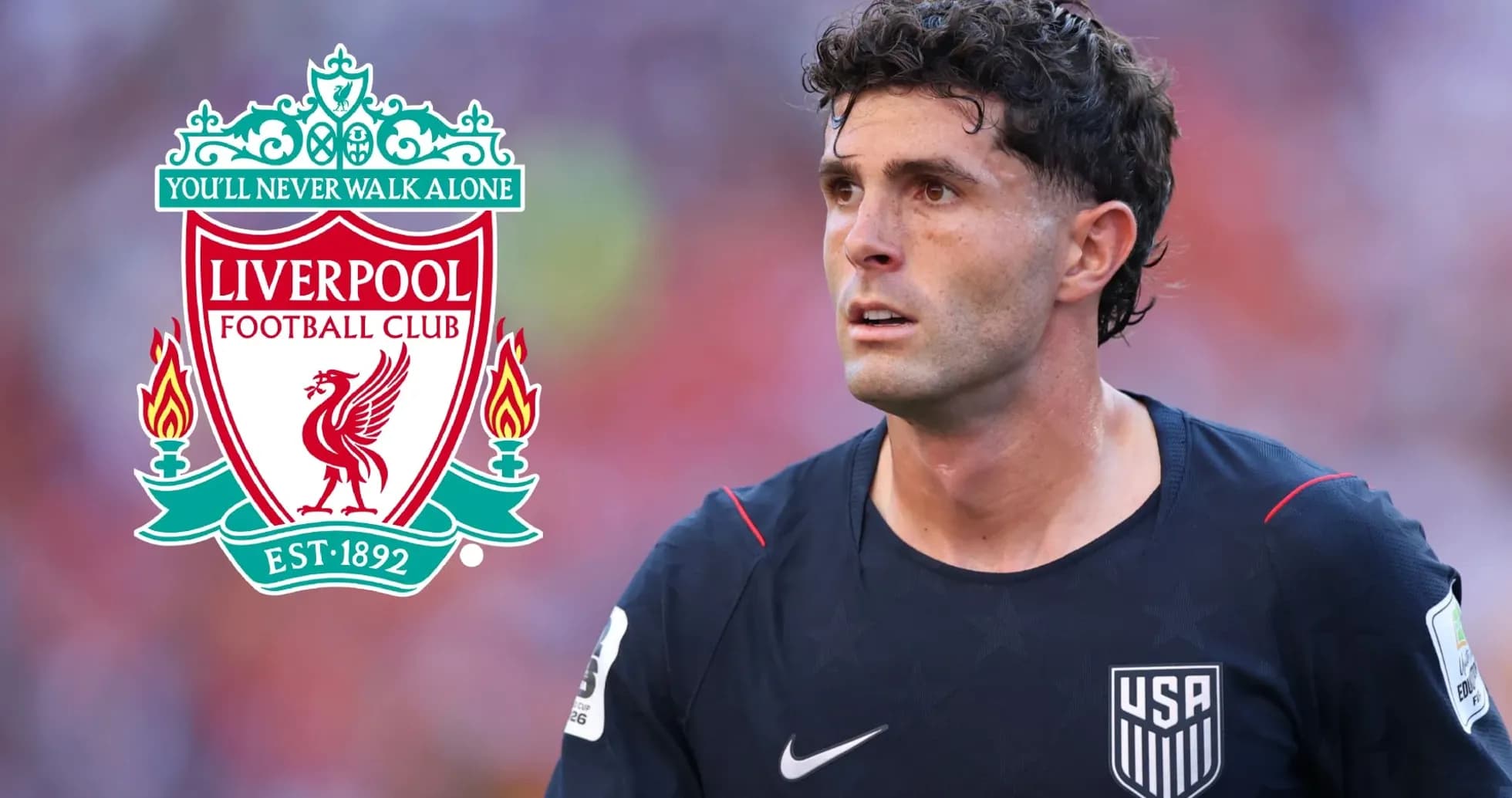
Christian Pulisic has already climbed European football’s highest peak. He left Stamford Bridge as a Champions League winner, but never as an undisputed Chelsea success story. The feeling was mutual by the end. He needed a reset. Chelsea were ready to move on.
San Siro offered that reset, and he has grabbed it.
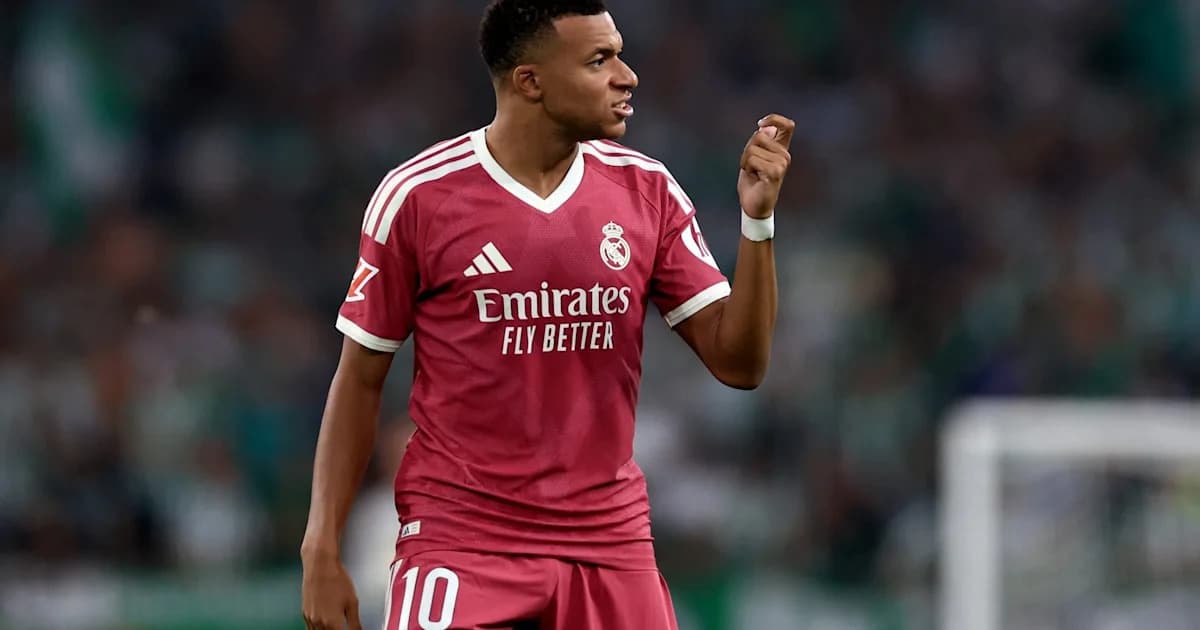
At Milan, Pulisic has looked like the player England only saw in flashes. Personal-best goal returns, relentless work without the ball, and a willingness to plug gaps across the front line have turned him into a San Siro favourite. The crowd took to him quickly. Hard running and direct dribbling still play anywhere.
Yet, just as he has re-established himself, the questions have started again.
A new contract has been on the table for months. It remains unsigned. That hesitation has not gone unnoticed across Europe. When a player of Pulisic’s age, profile and production leaves the door even slightly open, big clubs start to lean on the handle.
Liverpool are one of them.
With Mohamed Salah gone, Anfield has a gaping hole down the right. You do not simply “replace” the Egyptian King; you try to reconfigure an attack that has revolved around him for years. Liverpool are weighing up how to reshape that front line, and Pulisic’s name fits many of the criteria.
Jonathan Spector certainly sees it. The former U.S. international, speaking to GOAL in association with UFL on mobile, believes the Pennsylvania-born winger would suit the tempo and aggression of Liverpool’s forward play.
“I see that as well,” Spector said. “I think in that sort of, I don't know if counterattacking style is the right way of putting it because that's not just what Liverpool is, but certainly when you see them go forward, they go at pace, and that is something that he does extremely well.
“He's confident, he's running at players. As a defender, it's a nightmare. It's worst-case scenario, when you have a player who is dynamic, and he's quick, shifty. That's the worst, last thing you want as a defender.”
That version of Pulisic – the one defenders dread – did not appear often enough at Chelsea. The talent was obvious. The output, less so. Spector did not shy away from that reality.
“He didn't produce to the level that the expectations were at Chelsea,” he said. “At a club like Chelsea, you have to. You could name a number of players, whether it's at Chelsea, Man United, Man City, who just didn't quite produce or didn't match the expectations. Those clubs have the ability to move on from players that are just not the right fit.”
Fit. Timing. Context. For Spector, those words explain more about Pulisic’s London years than any raw numbers.
“For me, so much of it is about having the right fit at the right time, and that is the biggest question mark in all of this. You know, anyone who knows the game can pick a good player, anyone who is a casual fan can pick out a good player, but it's determining whether or not that player is going to be the right fit at the right time, and that's the really difficult piece of this.
“For me, Pulisic just wasn't the right fit at the right time at Chelsea. I think that's why he struggled and I don't know if that style of play suits him particularly well.”
Italy has been kinder. The rhythm of Serie A, the tactical structure, the spaces he can attack from wide and inside – it all looks tailored to his strengths. Yet the sense persists that Pulisic is still searching for the club stage that truly defines his prime.
That search has been sharpened by a bruising 2026 World Cup on home soil. The United States, co-hosts and heavily hyped, went out in the last 16. The fallout was swift and unforgiving. Senior figures in the squad, Pulisic among them, found every touch and decision pulled apart.
Spector, though, urged a cooler reading of his country’s talisman.
“He for sure has one, maybe two World Cups in him, I would say,” he insisted. “I think maybe he didn't have his best World Cup, and I think that's a fair argument to make.
“He wasn't able to play in every match either, not in a rhythm like some of the other players. You play a game, you come out, and you're not in that same sort of rhythm, and you see each team, each game, they've gotten better and better.
“The individuals have gotten better and better, and you really see the top, the elite players, really just showing the quality that they have each and every game and getting better in each and every match. He didn't have that sort of consistency and continuity.”
The criticism came anyway. It always does for the face of a national team. Spector believes some of it missed the mark.
“I think some of the criticism he's had has been a bit harsh. I don't think it's quite fair to judge him to some of the other U.S. players that we've had in the past, just based on this small sample of matches. At the World Cup is when you expect your main players to do it.
“I still think he was really effective, he looked dangerous in moments. But I'm sure he would be the first to admit he wasn't at his best. I'm sure he's just as frustrated, if not more so, than anyone else.”
So here stands Christian Pulisic at 27: a Champions League winner, reborn in Milan, still the standard-bearer for the USMNT, yet again at a crossroads.
Milan want him tied down. Liverpool are watching. Other elite clubs will be, too. The next contract he signs will likely define the peak years of a career that has already carried the weight of a nation.
Does he double down in Italy, where he is trusted and thriving, or gamble on a return to the Premier League spotlight, perhaps under the lights of Anfield, tasked with helping to fill the void left by Salah?
For a player who has spent a decade living with expectations, the next move might be the one that finally tells us whether “Captain America” becomes a long-term leading man in Europe, or remains the nearly-finished article still searching for the perfect fit.