.svg&w=384&q=75 "Naijagoal logo")


Chelsea's Thrilling Attack Faces Defensive Chaos
Xabi Alonso’s Chelsea are becoming appointment viewing for one reason: you know they’ll score. You also know they’ll probably concede.
The obsession around this new-look side has centred on what they can do going forward, on how anyone is supposed to stop JP Morgan and the blue wave around him. So far, nobody has. Chelsea have found the net in every game this season.
But you can’t attack your way out of defensive chaos forever. Not in this league.
Hull’s 2-2 draw at Stamford Bridge was another reminder that Chelsea’s problem isn’t putting teams under pressure, it’s what happens when that pressure is released. This was the 20th consecutive Premier League game in which their back line was breached. Twenty. For a club that once built its identity on clean sheets, that number stings.
Emi Martinez was supposed to be part of the solution. A World Cup winner, a multiple Yashin Trophy winner, a goalkeeper signed to bring authority and security. Yet if the defenders in front of him keep switching off, he may as well be Robert Sanchez for all the difference it makes.
Hull did not slice Chelsea apart with intricate patterns. They didn’t need to. Their 1.32 expected goals told the story: they were dangerous often enough, and too often the chances arrived gift-wrapped. Loose marking. Poor positioning. Basics abandoned.
Chelsea’s attacking potential is obvious, and it is genuinely exciting. They will scare teams. They will blow some away. But if Alonso wants this project to become a title challenge rather than a highlights reel, he has to lean on the harshest lessons from his time under Jose Mourinho.
Mourinho’s teams suffocated games. They were horrible to play against. Right now, Chelsea are only half that equation: brilliant going one way, brittle going the other. Until Alonso fixes the second part, his side will remain exactly what they are now – entertaining, unpredictable, and short of the standard he is ultimately chasing.
Iraola’s first big Liverpool test – and a flat response
Anfield bounced on Wednesday night. Andoni Iraola finally had his first Champions League win as a head coach, against Atletico Madrid of all opponents. That felt like a milestone. But everyone inside the ground knew the bigger question was still coming.
How would his Liverpool cope once the schedule turned brutal?
At Rayo Vallecano and Bournemouth, Iraola impressed without the grind of European football chewing up his squad. This season was always going to be about whether his high-intensity blueprint could survive the extra load.
Fulham at home, three days after Atletico. The first real exam.
Liverpool didn’t pass. The 0-0 draw was as much about what they couldn’t do as what Fulham did well. Iraola’s side never found the tempo he demands. They started slowly, then never truly managed to crank up the speed. Fulham grew into the game, grew in belief, and by the end looked just as likely to steal all three points as settle for their first point of the campaign.
The unbeaten run under Iraola rolls on, stretching back to the first week of January when his Bournemouth team were still punching above their weight. But strip away the narrative and the numbers are blunt: home matches against Nottingham Forest and Fulham have produced only two points. For a club with Liverpool’s ambitions, that isn’t enough.
Iraola didn’t hide behind excuses afterwards, but he didn’t pretend the schedule hadn’t bitten either.
“In the end, this is the easier one, for me, for you, for everyone – our players were tired,” he admitted. “I think there is a lack of freshness, definitely. We cannot hide it.
“I think it's the worst turnaround in terms of 60-something hours between the games, after a very big game the other day. But this is going to happen more times, maybe with one more day, maybe.”
The reality is brutal. The games will keep coming, the demands will not ease, and Liverpool can’t afford many more flat Anfield nights like this. The onus now sits squarely on Iraola to find a way to keep the intensity that defines him, without running his team into the ground.
Spurs’ spending spree still hasn’t bought a finisher
Tottenham’s problem doesn’t need deep tactical analysis. It’s staring everyone in the face.
You don’t win league games if you don’t score. Spurs haven’t won a league match this season. They’ve gone 400 minutes without a goal. The maths is simple, the implications less so.
They are not short of creativity. Against Everton, Ange Postecoglou – sorry, Roberto De Zerbi now at the helm – had a host of inventive players on the pitch. Runners, passers, technicians. The build-up play was there in patches. The final act was not.
The man meant to provide it barely featured.
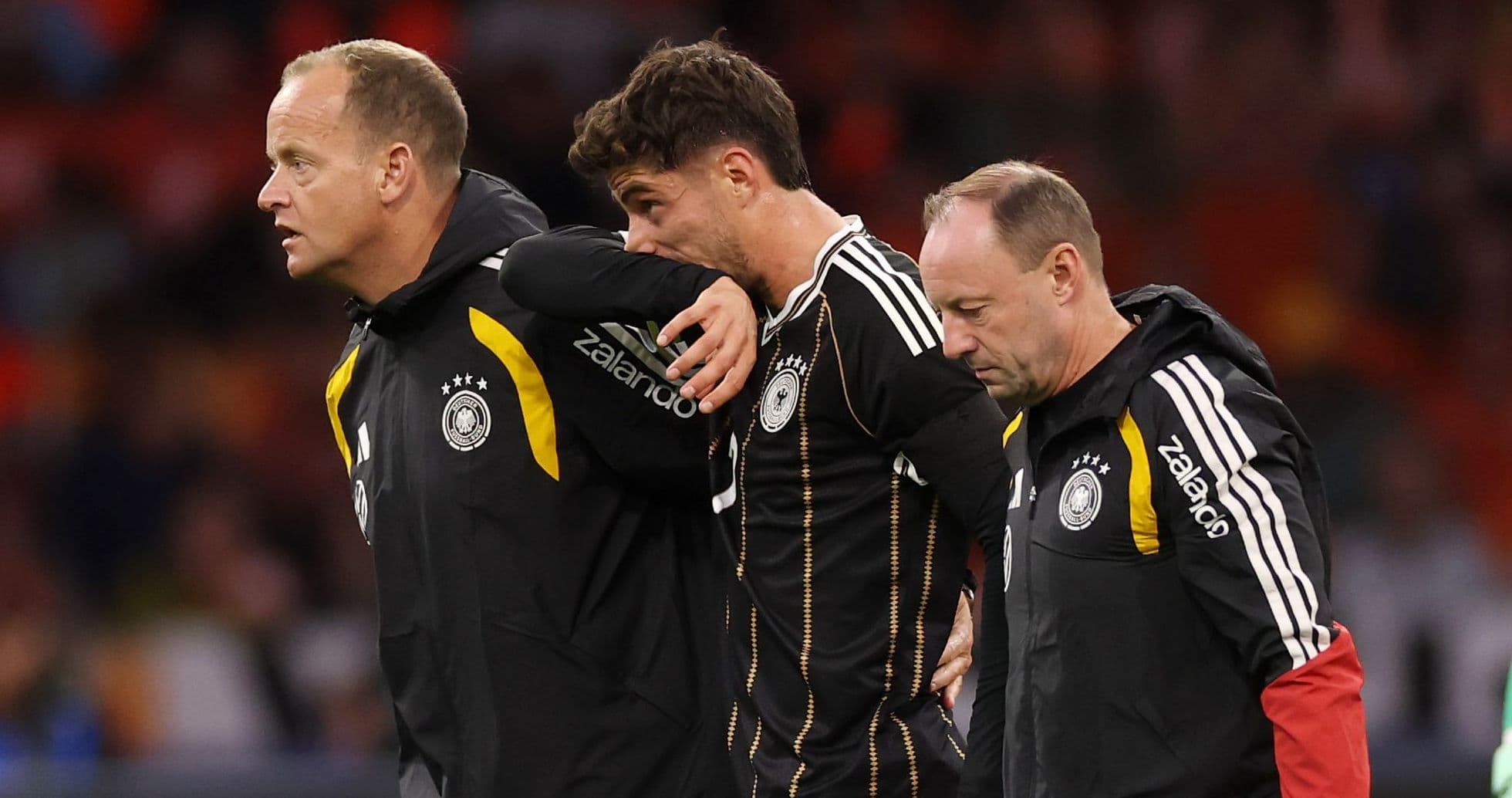
Dominic Solanke is, in reality, indispensable to this squad. As the only true number nine available to De Zerbi, his presence feels non-negotiable when he’s fit. Not because he’s in unstoppable form, but because Spurs simply don’t have another profile like him.
Yet against Everton, he never imposed himself. Whether it was rust from his latest fitness issues or a deeper concern, Solanke offered nowhere near enough as the focal point. Nineteen touches all game. The goalkeeper Kinsky had more.
That statistic cuts to the heart of Tottenham’s dilemma. They have spent heavily to assemble a squad full of technical quality and attacking options, but when the ball reaches the penalty area, there is no ruthless presence to finish the story.
Until that changes – through Solanke rediscovering his edge or the club finally finding the striker they’ve been missing – Spurs will keep playing the same frustrating tune: neat approach play, plenty of promise, and a scoreboard that refuses to move.