.svg&w=384&q=75 "Naijagoal logo")

Chelsea's Ambitious Moves and Neuer's Retirement: A Football Evolution
On a single news cycle, football managed to show every side of its personality. From tattoos and haircuts to billion-euro transfer habits and the slow fade of a goalkeeping giant, the game never stood still.
Cucurella, the ink, and the scissors
Marc Cucurella has never blended into the background, and he’s certainly not starting now. After having the face of his Spain coach Luis de la Fuente tattooed on his elbow – a striking tribute to the man who has helped relaunch his international career – the Chelsea defender has gone back to the barbers’ chair for a fresh haircut.
The trademark wild mane has long been part of his on-pitch identity. Changing it, especially on the back of such a bold tattoo, feels like a small statement: a player leaning fully into his own story, comfortable enough to play with the image everyone thinks they know.
Les Bleus rebrand their history
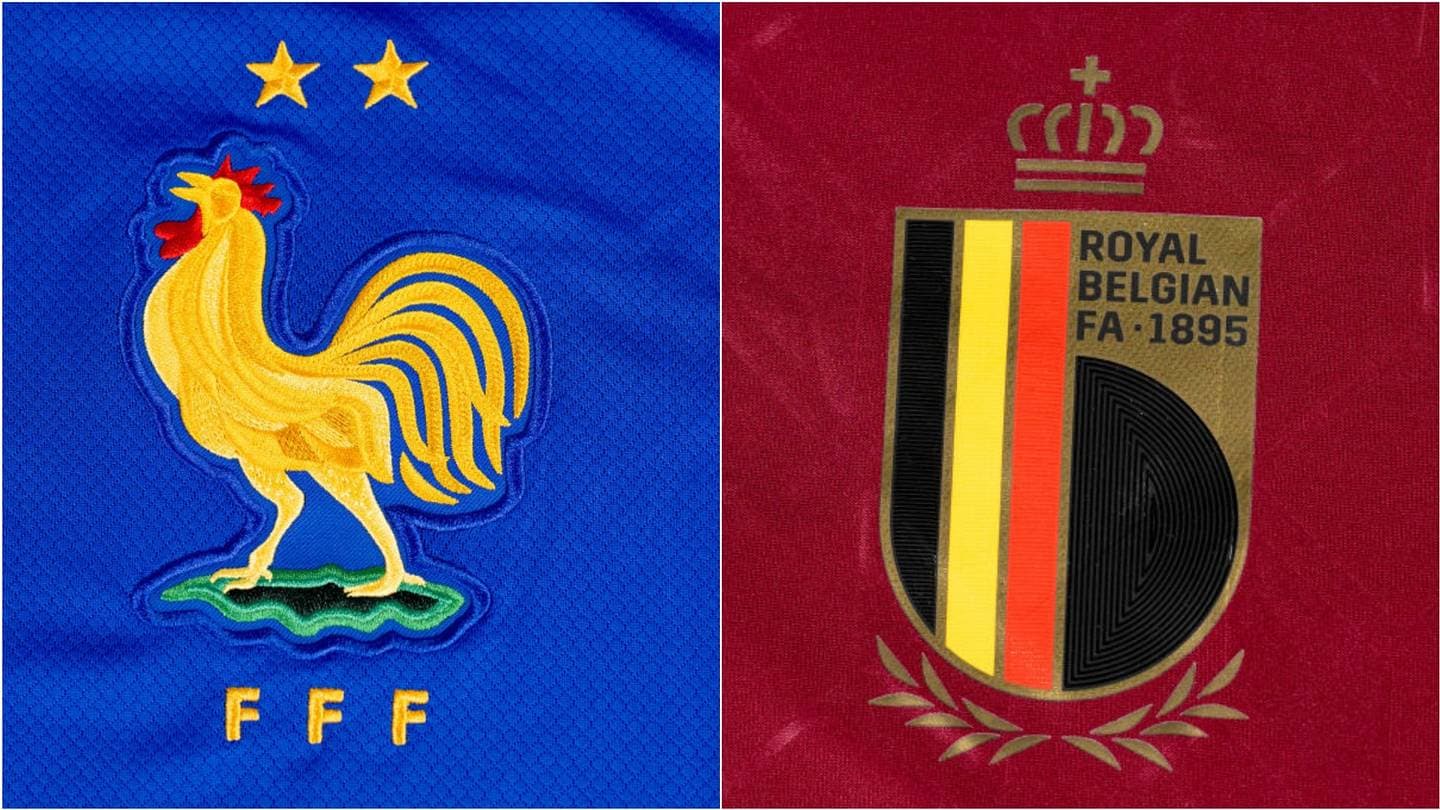
While Cucurella was reshaping his look, France were quietly reshaping their own. On Wednesday afternoon, the FFF unveiled a new logo for the France national team, the latest chapter in the long visual history of Les Bleus.
The crest has always mirrored the country’s footballing eras. Earlier versions were simple, almost austere, before the modern, sharper cockerel arrived to accompany a golden age of World Cup and European glory. Each tweak has carried a message about what France want to project: tradition, dominance, elegance.
This latest evolution slots into that lineage. A new badge doesn’t win a tackle or score a goal, but it does set a tone. For a nation used to seeing its shirt on the biggest stages, the crest has become a kind of moving timeline of French football itself.
Mbappé and Zidane: one frame, two eras
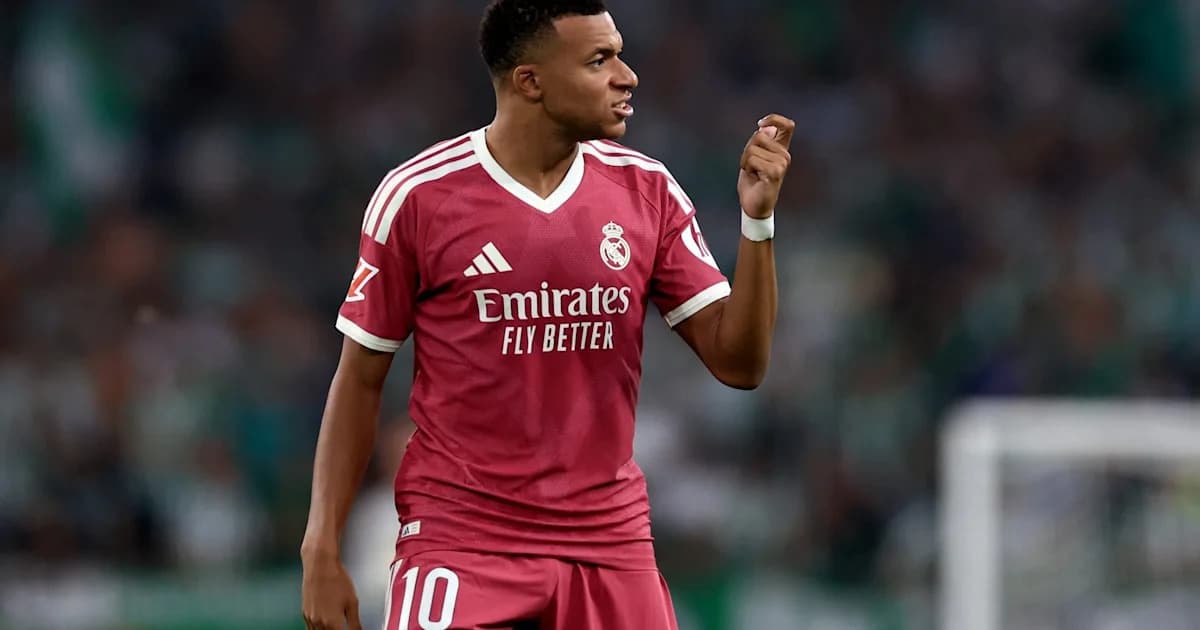
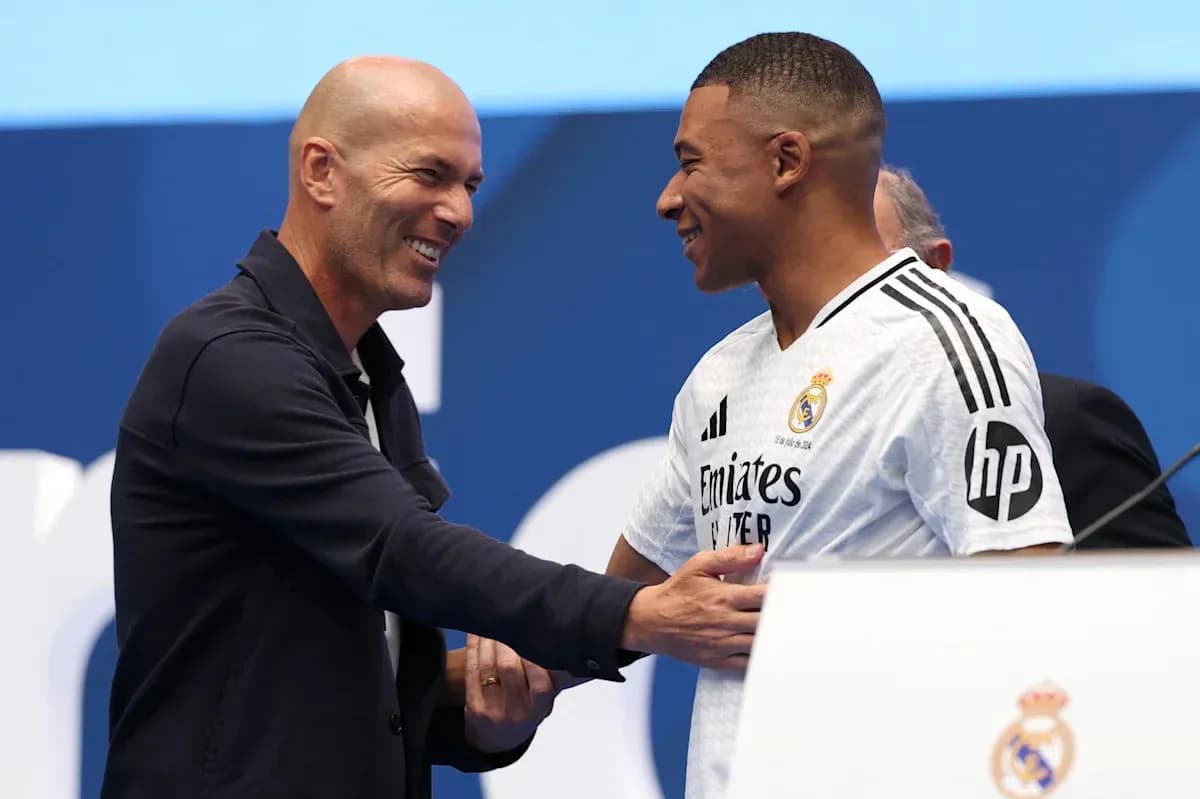
Nothing captures that timeline better than the sight of Kylian Mbappé and Zinedine Zidane together on screen. An archival video has brought the two France icons side by side again, sparking the familiar question: are these the two greatest players in the history of the national team?
Zidane, the conductor of 1998 and 2000. Mbappé, the electric finisher of 2018 and the standard-bearer of the present. Different positions, different tempos, the same gravitational pull. When they share a frame, it feels less like nostalgia and more like a relay baton being passed between generations, even if the footage is from another time.
Neuer sets his final date
At club level, another legend has put a clear marker on the end of his story. Manuel Neuer, the man who redefined what a goalkeeper could be at the top level, has confirmed he will retire from professional football at the end of the 2026–27 season.
The announcement draws a line in the distance but it already changes the mood around Bayern and Germany. For more than a decade, Neuer has been the reference point: the sweeping, front-foot keeper who turned the penalty area into his territory and forced the sport to rethink the position.
By naming the season of his farewell, he has given his club a runway and his supporters a countdown. Every save, every clean sheet, every Champions League night from here on comes with a hint of finality. The curtain isn’t down yet, but everyone can see it hanging.
Chelsea, kings of the €100m gamble
If Neuer’s decision is about closure, Chelsea’s latest milestone is about excess. And ambition. And risk. The London club now stand alone as the team with the most transfers worth over €100 million in football history: five such signings, a staggering figure even in an inflated market.
It underlines a clear pattern. When Chelsea commit, they go all in. Those nine-figure deals are not just about talent; they’re about trying to punch through the sport’s financial and competitive ceiling in one swing. Real Madrid, long seen as the ultimate super-club, are expected to move to four €100m signings with the arrival of Yan Diomandé, but for now Chelsea sit on top of that particular table.
Each of those transfers carries its own storyline, its own pressure. Together, they form a statement about how the club sees its place in the modern game: not just among the elite, but determined to stretch what that elite looks like.
The sponsor that never comes
The financial daring doesn’t stop there. For the fourth consecutive season, Chelsea will start a campaign without a shirt sponsor on the front of their kit. In an era when every inch of fabric is monetised, that blank space is jarring – and very deliberate.
BlueCo’s leadership has fully embraced the strategy. Rather than locking into a deal they consider undervalued, they are prepared to wait, banking on the club’s global reach and the Premier League’s pulling power to secure a more lucrative agreement down the line.
It is a gamble played in broad daylight, visible in every team photo and every broadcast. While others cram logos onto sleeves and shoulders, Chelsea are effectively treating their shirt as prime, appreciating real estate, not a quick cash grab. The risk is obvious. So is the confidence.
From Neuer’s distant farewell to Chelsea’s high-stakes economics, from a new French crest to Cucurella’s tattooed elbow, the sport keeps rewriting its own image. The only real question is which of these choices will age into legend, and which will look like a snapshot from a very strange, very modern football moment.