.svg&w=384&q=75 "Naijagoal logo")
Chelsea's Dilemma: Can They Attract Top Coaches?
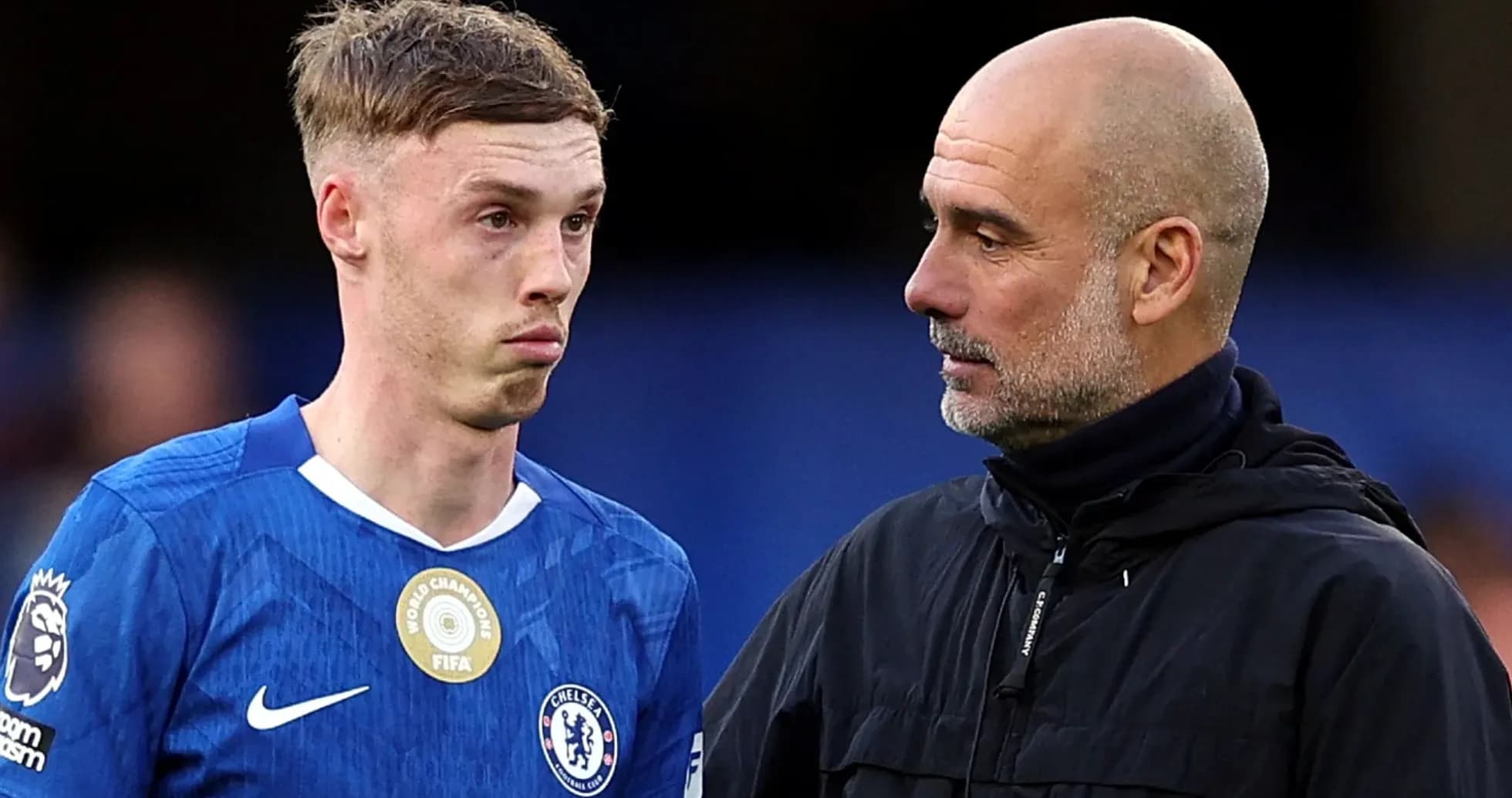
Ruud Gullit has seen this film before. The former Chelsea player-manager, who once turned chaos at Stamford Bridge into the start of a new era, now watches from a distance as the club stumbles through a season that threatens to end without European football of any kind.
Twelve months ago, Chelsea were parading trophies and plotting their route back to the elite. A UEFA Europa Conference League title, a FIFA Club World Cup triumph, a return to the Champions League – the narrative was upward, ambitious, noisy. Now they sit ninth in the Premier League, staring at the possibility of a year on the outside looking in.
The spending has not stopped. The clarity has.
Under the club’s ambitious ownership, money has flowed again and again into the transfer market, but the strategy has drawn fire. Potential over pedigree. Prospects over proven winners. Raw talent everywhere you look, but not enough hardened professionals to drag a game their way when the temperature rises.
The consequences are written all over this campaign. Inconsistency has become Chelsea’s defining trait. Enzo Maresca came and went. Liam Rosenior followed, then departed. The job now belongs, temporarily, to Calum McFarlane, a caretaker charged with steadying a listing ship and somehow steering it to silverware.
Remarkably, he has them in an FA Cup final.
FA Cup Final
On 16 May at Wembley, Chelsea face Manchester City with more than a trophy on the line. Beat the dominant force of English football and they lift the FA Cup and punch a ticket to the 2026-27 Europa League. Lose, and the season’s thin positives become even harder to sell.
That one game has the power to change the mood, to cover some of the cracks. It will not fix the foundations.
Because the bigger questions sit above McFarlane’s pay grade. Who leads Chelsea next? How do they rebalance a squad heavy on youth but light on authority? Can a club that sacks managers with ruthless regularity still attract the very best?
Names swirl around the vacancy. Cesc Fabregas, the former Chelsea midfielder now cutting his teeth in coaching. Xabi Alonso, the most coveted young manager in Europe. Andoni Iraola, admired for his high-intensity approach. Marco Silva, rebuilding his reputation in the Premier League. All intriguing. All upwardly mobile.
But are they looking at Chelsea with excitement, or with alarm?
Gullit does not sugar-coat it. Asked directly whether Chelsea are becoming an unattractive job for elite coaches, the 1997 FA Cup-winning player-manager answered with brutal clarity.
“Yes, because any manager would see what I see and say: ‘I need experienced players. I need a Casemiro, a [Aurelien] Tchouameni. I need these types of players in midfield. I need this kind of experience alongside the young talent’. And if you don't have them, it's going to be a problem.
“The only thing that is certain for a Chelsea manager is that he gets fired. That's the only certainty. And as a coach you have to learn to adapt to the club's philosophy. Does it match yours? And do you get the players you need to do what you want to do?
“Pep Guardiola got all the players he wanted. That's why he's been successful. But if you told Pep, ‘Deal with what we give you’, he wouldn't come. Mourinho wouldn't come. Klopp wouldn't come. [Carlo] Ancelotti wouldn't come. These are people who know exactly what the right formula is.”
It is a damning assessment from a man who helped shape the club’s modern identity. And it cuts to the heart of Chelsea’s dilemma: a recruitment model built around youth and resale value, paired with expectations set at title-challenging, trophy-collecting levels.
The squad is not without quality. Far from it. But when Gullit reels off names like Casemiro and Tchouameni, he is pointing at something Chelsea once took for granted – a spine of players who had seen everything and won everything, who could guide the next generation rather than grow alongside it.
Without that core, managers become expendable. The project becomes fragile. One bad run, one misstep, and the reset button gets hit again.
There was at least a small injection of relief in their last league outing. Chelsea snapped a six-game Premier League losing streak with a 1-1 draw against Liverpool, a result that halted the bleeding but did little to transform the table. Ninth place, a cluster of clubs above them, and a shrinking runway to salvage a European spot through the league.
After Wembley, the schedule offers no soft landings. Relegation-threatened Tottenham arrive at Stamford Bridge with their own season on the line, desperate and dangerous. Then comes a final-day trip to Sunderland, where the atmosphere will be raw and unforgiving if Chelsea show any sign of fragility.
Mathematically, the top seven remains within reach. Realistically, the odds sit heavily against them. That matters, because the next permanent manager will want more than promises. He will want European football, a clear plan, and the authority to shape a dressing room that has outlasted too many coaches.
Whoever walks into that office will know exactly what Gullit means. The margin for error is shrinking, the expectations are not, and the hottest seat in English football is waiting for its next occupant. The question now is simple: which top coach is brave enough to sit in it?