.svg&w=384&q=75 "Naijagoal logo")

Chelsea’s 349m Dilemma: Right-Backs in Midfield
Chelsea walked out of the Emirates with a 2-1 defeat and a far bigger problem than the scoreline. By the end, they had Reece James and Malo Gusto – two players who grew up as right-backs – standing next to each other in the middle of the pitch, trying to hold together a midfield that looks alarmingly thin.
For a club that spent £349m in the summer, that image will sting.
James had been given a specific job: follow Martin Odegaard, disrupt him, drag him out of rhythm. Instead, it was Odegaard who decided the game, drifting free at the decisive moment to score Arsenal’s winner. The captain of the champions, untracked in his own stadium, punishing a rival still trying to work out what it wants to be.
Xabi Alonso had talked James up before kick-off, telling BBC Sport the England international has the potential to become one of the best midfielders in the world. On the ball, James largely backed that up. He looked comfortable, combative, and his experience of spending almost half of last season in midfield showed.
But his deployment – and Alonso’s choices around him – told a different story about Chelsea’s squad building.
When the pressure rose in the second half, Alonso turned to Gusto rather than Romeo Lavia. Another right-back in the middle. Another reminder that, for all the money spent, the engine room still feels improvised.
Arteta’s Bench Bites, Chelsea’s Doesn’t
Odegaard’s winner came from slack marking, but Chelsea’s problems stretched well beyond one lapse. Once they fell behind, they looked short of ideas and, crucially, short of game-changers.
Arsenal did not have that issue. Mikel Arteta had a bench full of players who could twist the game in his favour, and he used them with precision. His changes added energy, control and threat. Chelsea’s changes looked like damage limitation.
Ashley Young, on pundit duty for BBC Sport, did not bother to sugarcoat it.
“Chelsea are not competing in European competitions this season, so they play fewer matches and can focus more on the Premier League,” he said. “But the cause for concern is that they end a match against the reigning champions with two right-backs in midfield.”
Then he pointed straight at the structural fault line.
“Look at Lavia, who suffered a lot from injuries last season. The attacking line will frighten many teams in the league, but behind it we find the midfield, where two right-backs are being deployed.”
The tactical pattern will not have gone unnoticed by other managers either.
“Other teams will watch today’s match,” Young added, “and they will notice that Chelsea rely on defensive compactness and putting as many players as possible behind the ball, yet there are still spaces between the lines, and that is what Arsenal exploited.”
Chelsea also gave up the ball willingly and tried to live off transitions. Young counted one clear moment that fit the plan – a break down the right for Pedro Neto – and little else.
One clear counter. One goal conceded too many. And a midfield that looked patched together.
Caicedo’s Shadow Over Stamford Bridge
Strip it back, and one problem keeps coming up: Moises Caicedo is missing.
The Ecuadorian has vanished from the team sheet since picking up an injury after an 11-minute cameo against Brighton last week. No one at Chelsea has publicly detailed the issue. No one has put a date on his return.
For Alonso, it is a strange situation. Across the past three seasons, aside from suspensions, Caicedo has missed only two matches – one with a minor injury, one with illness. Now Chelsea’s record signing is sidelined at the very moment the midfield looks stretched.
Alonso tried to calm the noise when asked about it.
“It is not about a long-term absence, but about risk assessment,” he said. “We may have brought him back to play too early last week, and I do not want to repeat the same mistake.”
Whether that scare pushed Chelsea into a late scramble for another midfielder on deadline day remains unclear. What is clear is that they tried.
Deals That Never Happened
Chelsea’s recruitment team worked the phones in the final hours of the window. Nothing landed.
Monaco pulled the plug on a £47m move for Lamine Camara at the last moment, a collapse that left Chelsea’s hierarchy furious. Bournemouth had already turned away bids rising to £64m for Alex Scott earlier in the summer.
There was another attempt, too. Chelsea moved for French midfielder Manu Kone, only for Roma manager Gian Piero Gasperini to block the transfer.
Inside the club, the line is that Camara was an opportunistic move, not a desperate one. Officials insist they are satisfied with their summer business and believe the current group is strong enough.
The pitch is telling a different story.
Enzo Out, Questions In
The decision that really sharpened the spotlight came on the final day of the window. Enzo Fernandez left for Manchester City in a £125m deal – matching the British transfer record – and Chelsea did not bring in a like-for-like replacement.
One of the few established midfield anchors gone. No direct successor through the door.
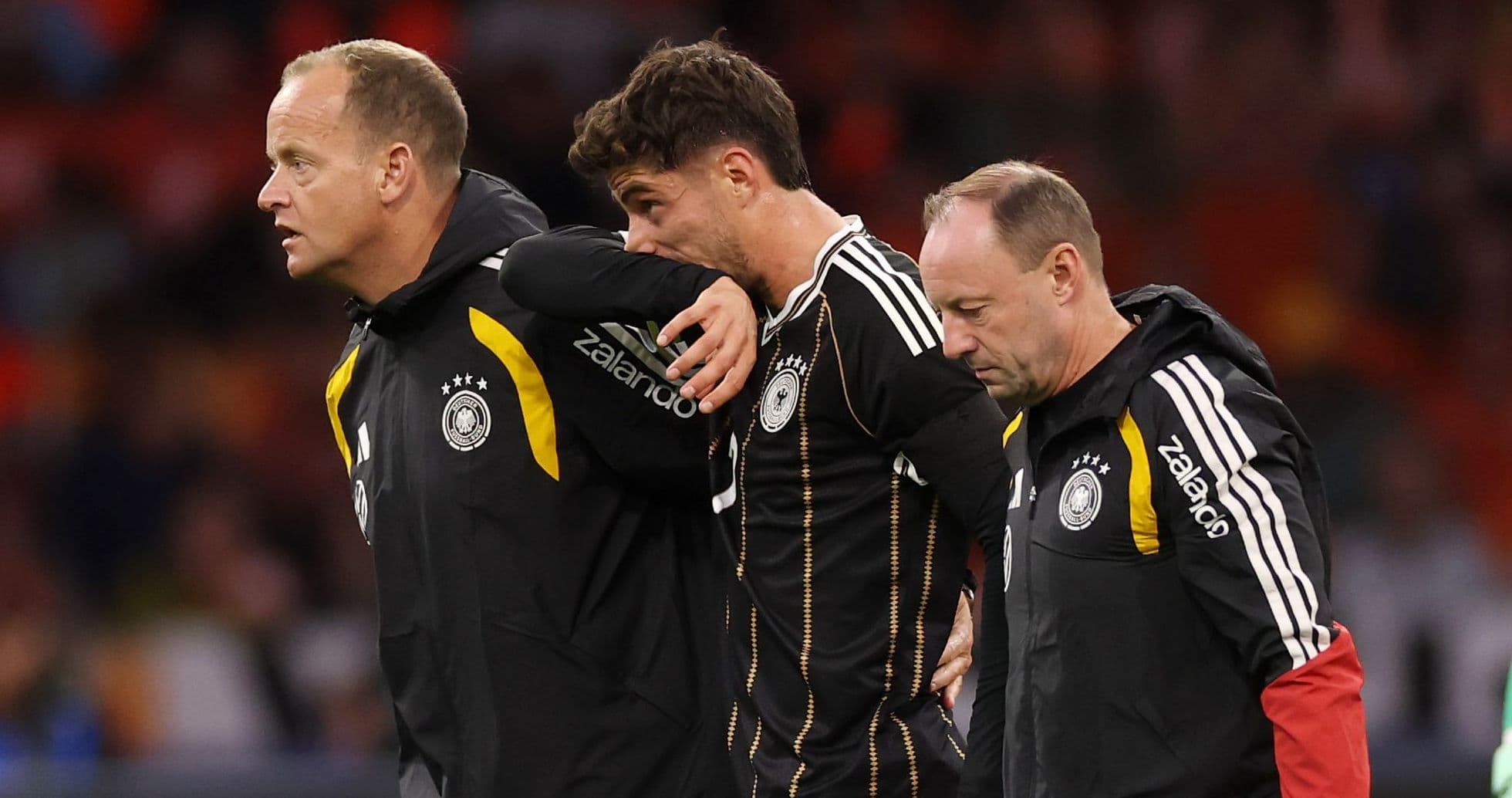
At the same time, the treatment room filled up. Caicedo is out. Jordan Henderson is still recovering from a broken arm, suffered in bizarre fashion when he fell onto an advertising board while sitting on the bench at the World Cup. Valentin Barco, signed from Strasbourg as a natural midfield option, has not featured either, with Alonso preferring Gusto in all three Premier League games.
The result is a squad that looks oddly lopsided. Heavy at the back. Heavy up front. Light in the middle.
A Stat That Cuts Deep
The warning signs did not start at the Emirates. They were flashing a week earlier against Brighton.
With Gusto again operating in midfield, Chelsea saw just 25.6% of the ball in a 4-3 win – the lowest possession figure recorded by the club since such data began in the 2003-04 season.
They escaped with three points that day, helped by their attack. The number still jarred. Chelsea, a club built for years on control and technical dominance, reduced to a quarter share of the ball at home.
If Caicedo returns quickly and the injuries clear, Alonso can point to a full complement of midfielders and a schedule without European football. Fewer games, more time on the training ground, less strain on the squad.
Before the Arsenal match, he argued exactly that, insisting he had “enough numbers” in midfield.
On Sunday night, the picture did not back him up.
Attack Sparks, Defence Leaks
The irony is that Chelsea’s frontline already looks ready to hurt teams.
Across their first three Premier League fixtures, Alonso’s side have leaned heavily on their attacking edge. Morgan Rogers has hit the ground running, Cole Palmer has rediscovered his sharpness, and Joao Pedro has provided a steady stream of goals.
Rogers, signed in a record deal, struck again inside two minutes at the Emirates. In doing so, he became the first Chelsea player to score or assist in each of the club’s first three league games of a season since Eden Hazard in 2018-19.
That is elite company, and it underlines why Young talked about an attacking unit that will scare plenty of defences.
The other end of the pitch tells a different story. Seven goals conceded in three matches is a number Alonso cannot ignore.
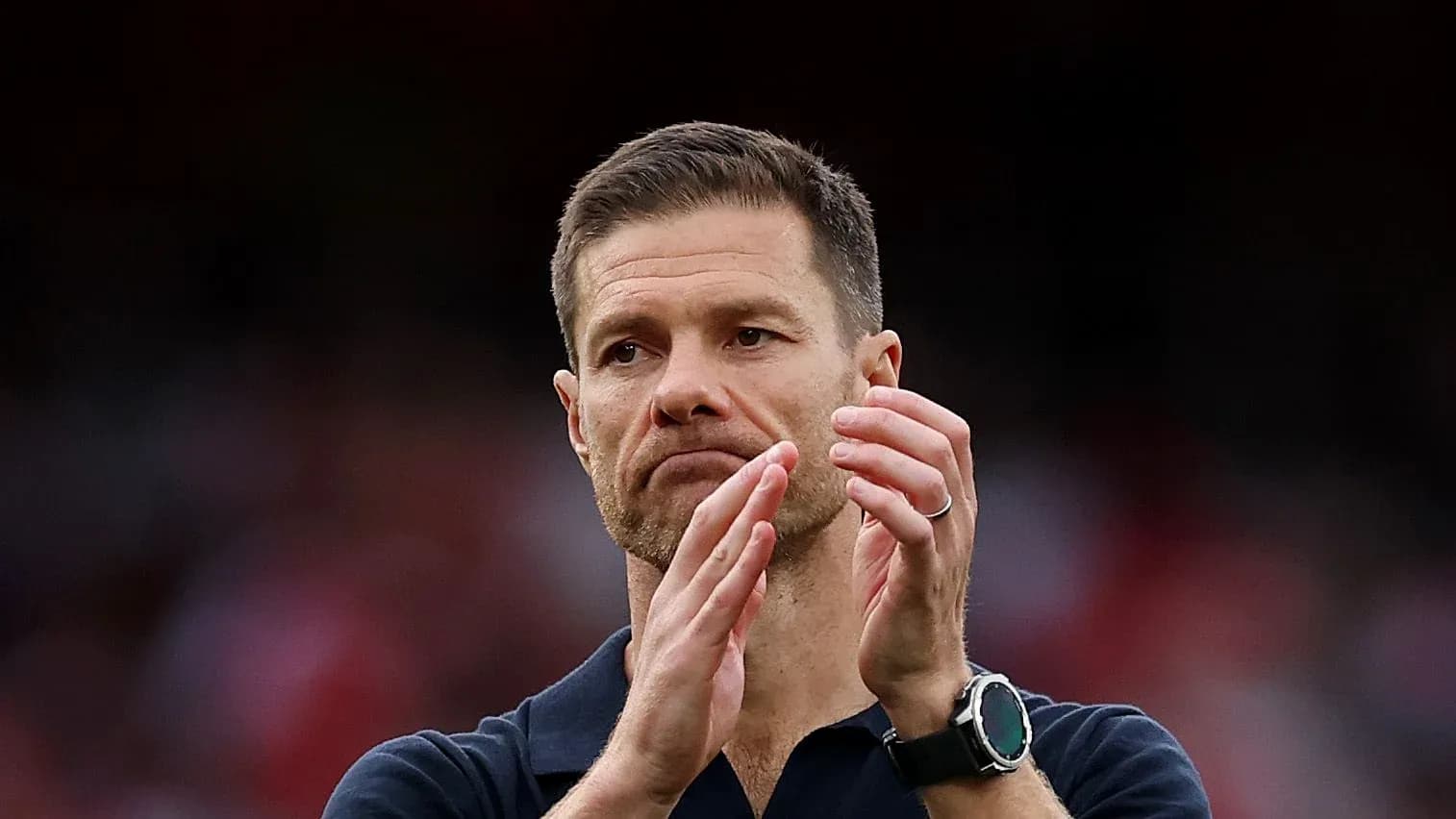
“We want to be more cohesive and solid defensively,” the Spaniard said afterwards. He had reasons to cling to the positives: long spells of disciplined play, brave pressing, and a performance that ranks among Chelsea’s better showings in a run of 10 straight games without a win against Arsenal.
But the gap is still there. Last season, Chelsea finished 33 points behind the champions. That is the distance they are trying to close.
Alonso did not hide his frustration.
“We came to win. We knew we were not far off them in terms of level, but the match went their way, it is painful, and we certainly feel disappointed, but this is the first defeat, the journey is still long, and it will not greatly affect our morale or our mentality.”
The words are defiant. The table, less so.
Arsenal Set the Pace, Chelsea Chase Answers
Right now, Arsenal remain the standard. Chelsea beat them to the signing of Rogers, yet on the pitch they still trail a club that has become the reference point for what a title challenger in London looks like.
Sunday underlined a harsh truth: spending heavily and signing 10 first-team players does not guarantee balance. The failure to secure a midfielder on deadline day has left a visible gap in Alonso’s squad, one that Arsenal’s movement and intelligence in central areas exposed.
Alonso has called this summer window “the first stage” of his Chelsea project. The theory is that the structure is in place and the rest will be built piece by piece.
The reality is that his second stage may depend on what happens in the next few weeks. If Caicedo’s return does not steady the midfield, if Henderson and Barco do not add the control and security he needs, the noise around the decision to let Enzo Fernandez go without a direct replacement will only grow louder.
And if the questions are still hanging over Chelsea’s midfield by January, the club may find itself back where it ended this window: searching the market, paying a premium, and trying once again to fix the most important part of the pitch on the fly.