.svg&w=384&q=75 "Naijagoal logo")
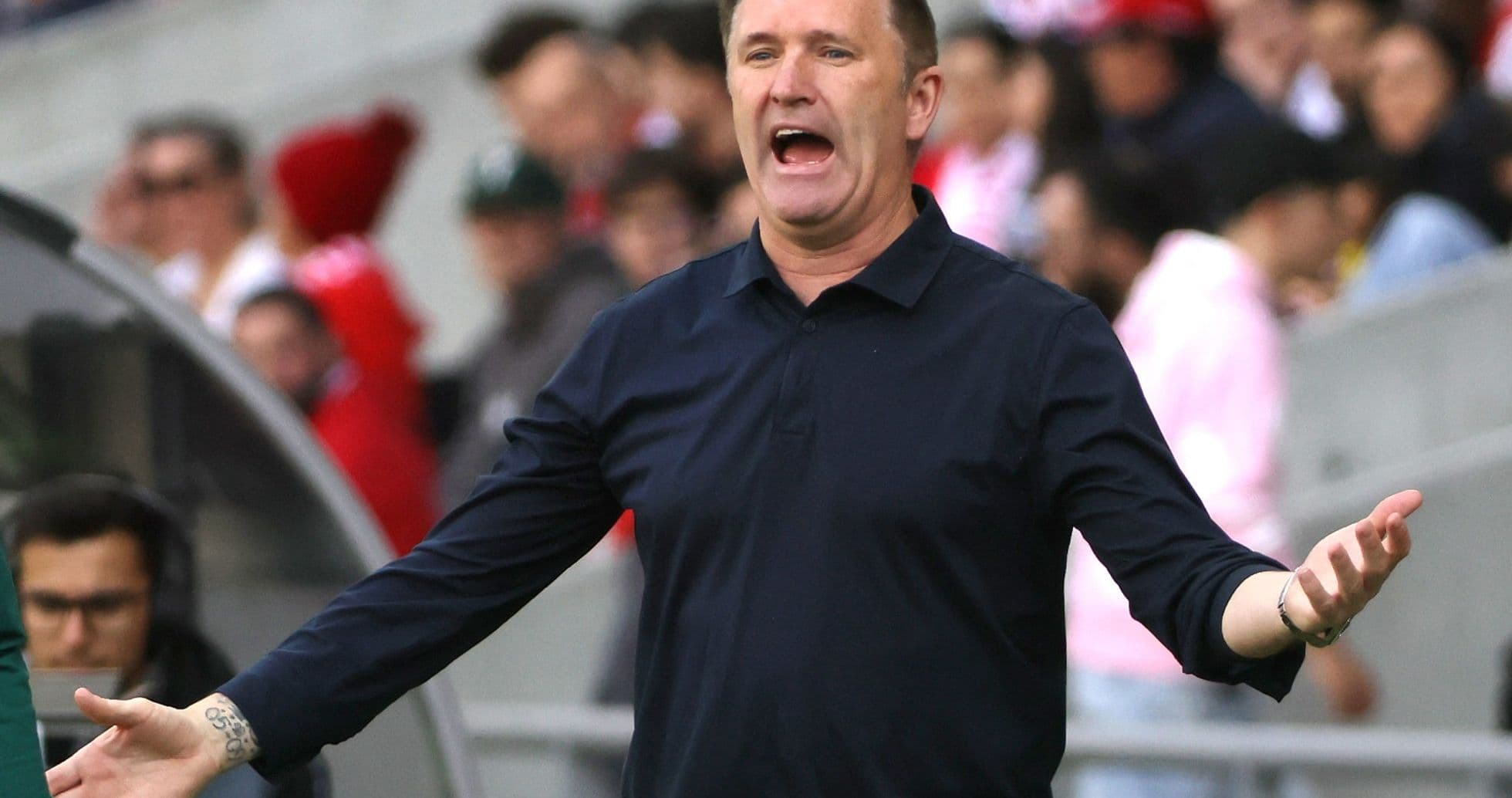

Celtic Fans Clash Over Robbie Keane's Potential Appointment
Celtic’s pursuit of Robbie Keane has collided head‑on with the politics and principles of a significant section of their own support.
The former Ireland captain, understood to be the frontrunner for the manager’s job after entering talks with principal shareholder Dermot Desmond, is facing a fierce backlash from pro‑Palestinian Celtic fans over his recent spell in charge of Maccabi Tel Aviv.
A hero on the pitch, a lightning rod off it
Keane is no stranger to Celtic Park. In 2010 he arrived on loan and scored freely, instantly embraced by supporters who revelled in the sight of Ireland’s record goalscorer in green and white.
That affection has frayed. His decision to remain in Israel with Maccabi Tel Aviv after the war in Gaza began drew criticism in Ireland and hardened opposition among a vocal element of the Celtic fanbase, for whom the club’s identity is inseparable from political solidarity.
Celtic supporters have been highly visible during the conflict, with Palestinian flags a regular presence at home and away games. The stance is not new, but the prospect of Keane in the dugout has turned it into a flashpoint.
Outside Celtic Park in recent days, graffiti and banners have appeared condemning the potential appointment. The message is blunt: Keane is not a fit for the values many fans believe the club should embody.
Organised resistance
The opposition is not confined to a few slogans on a wall. A statement from a group calling itself “Celtic Fans for the Liberation of Palestine” warned that hiring Keane “would be deeply divisive among the support”.
The “North Curve Celtic” account on X, associated with the club’s most politically active and vociferous fans, published a list of 67 groups said to have endorsed that statement. The breadth of that coalition underlines the scale of the unease.
“Celtic supporters have a long and proud history of solidarity with the Palestinian people,” the statement read, before turning directly to Keane’s time at Maccabi Tel Aviv.
“For us, Robbie Keane’s decision to manage Maccabi Tel Aviv during the genocide in Gaza is impossible to ignore.
“To choose to manage a club in Israel while, less than 40 miles away, the same country was using indiscriminate weapons of mass murder against defenceless people is unconscionable.
“Celtic was founded by a community shaped by the legacy of genocide, displacement and famine. Our club’s roots lie in solidarity with those who suffered injustice and oppression.
“We urge the Celtic board to listen to supporters’ concerns and reconsider this appointment.”
Those words go to the heart of how many Celtic fans see their club: not just as a football institution, but as an expression of a community forged in hardship and aligned with global causes.
Keane’s stance and Maccabi success
Keane took the Maccabi Tel Aviv job in June 2023, months before the Hamas-led attacks of 7 October and the subsequent Israeli bombardment of Gaza. When the conflict erupted, he chose to see out the season.
On the pitch, he delivered. Maccabi completed a domestic double under his watch, winning both league and cup before he resigned in 2024 and moved on to Hungarian side Ferencvaros.
Off the pitch, his decision to stay in Israel became the focal point. Keane has said he felt a responsibility to the staff he had taken with him.
“I have a duty of care,” he explained. “My analyst, for example, was at Middlesbrough for 12 years. For him to come with me to Israel and then for me to just walk away, leaving him and his family.”
That sense of obligation has not softened the stance of those Celtic supporters who see any association with Israeli clubs during the conflict as incompatible with the club’s ethos.
A board caught between ambition and identity
Inside the Celtic boardroom, the calculation is very different. Keane offers profile, a connection to the club’s recent past and a winning season on his managerial CV. He is 45, ambitious and, in the eyes of many in the game, ready for a major role.
But the depth of organised fan resistance presents a serious dilemma. Appointing him would mean starting a new era under a cloud of protest, with banners, walkouts and constant scrutiny almost guaranteed.
The timing adds another layer. Interim manager Martin O’Neill, 74, stepped in and steered Celtic to the Scottish Premiership title on the final day of the season and added the Scottish Cup for good measure. He delivered trophies and stability when the club needed both.
Now Celtic must decide what comes next: a high-profile former player whose recent career has taken him into the most contentious of political landscapes, or an alternative that might be less combustible but also less glamorous.
In Glasgow’s east end, this is no longer just a conversation about tactics and transfers. It is a test of how much a club is willing to bend, or stand firm, when football ambition runs straight into the beliefs of its own people.