.svg&w=384&q=75 "Naijagoal logo")

Casemiro’s Departure: Carrick Faces Crucial Midfield Decision at Manchester United
Casemiro walked into English football as a serial winner. He leaves it four years later with his medal collection intact and a hole in Manchester United’s midfield that Michael Carrick cannot afford to ignore.
At 34, the Brazil international will depart on a free when his contract expires, ending a stint that briefly restored authority and bite to United’s engine room. Now that presence, that experience, that edge, disappears overnight. The question is not whether United replace him, but how boldly they do it.
Carrick and his staff know the stakes. Champions League football is back. Expectations follow. The club cannot drift into a new era hoping that someone already in the building simply grows into Casemiro’s boots. They are already deep into the market, weighing up profiles, personalities and – crucially – prices.
Some of those prices are staggering. England midfielder Anderson, heading to the World Cup, is said to carry a nine-figure valuation. That is the modern market: eye-watering sums for players still writing the first chapters of their careers. United, though, are trying to walk a finer line – signings who can deliver immediately and still be around for the next cycle.
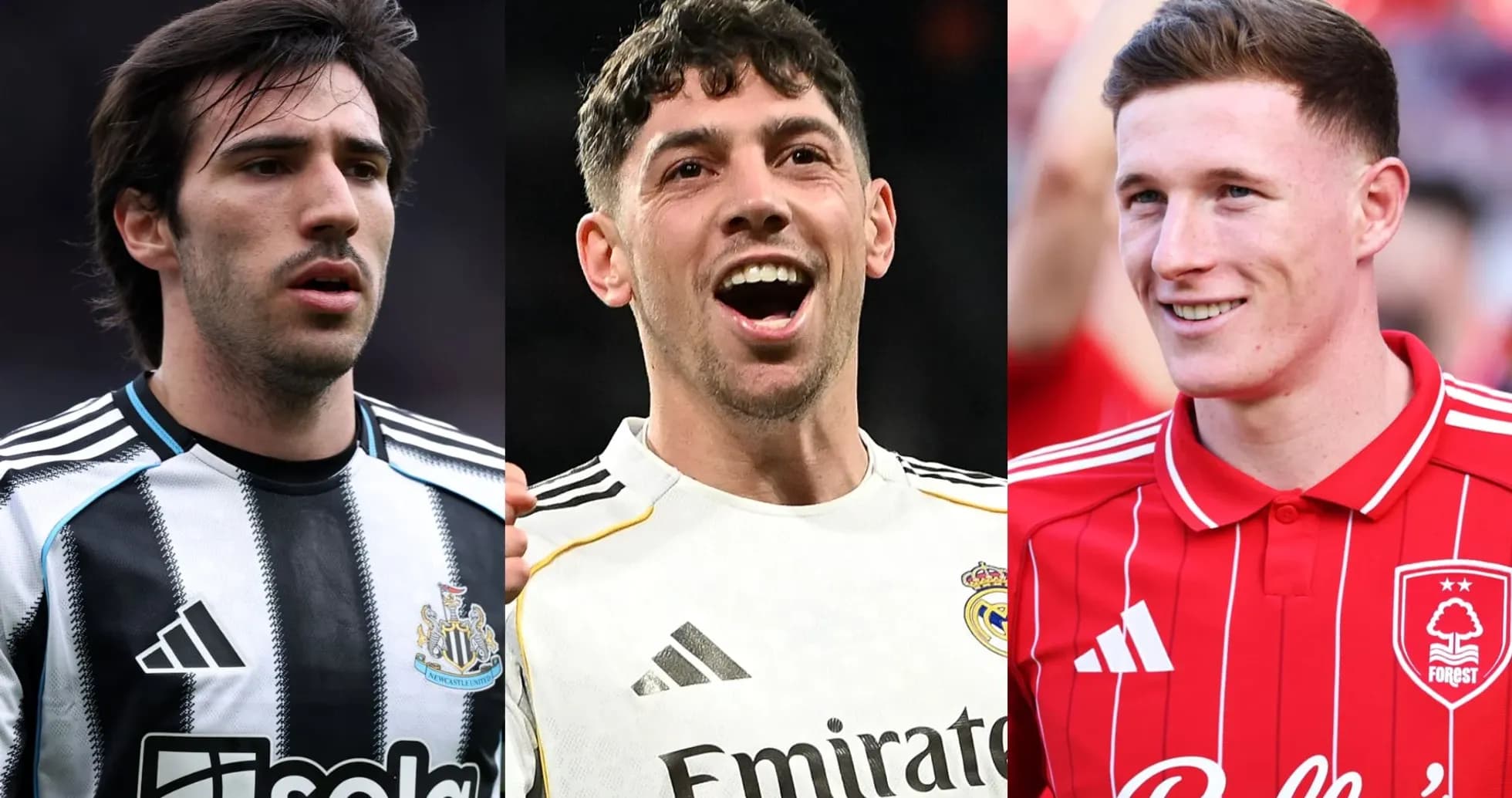
Names are stacking up on the recruitment board. Adam Wharton. Carlos Baleba. Both young, both with Premier League exposure, both seen as players who can grow with the project. They tick important boxes, but they are not alone.
From Madrid to Brighton, United’s radar is sweeping across Europe’s midfield talent. Real Madrid’s conveyor belt remains a point of fascination, while Brighton’s recruitment model continues to churn out the kind of athletic, technically polished midfielders big clubs covet. United know they cannot afford another misstep in the middle of the pitch.
One former Red Devil has a very clear idea of where the money should go.
Djemba-Djemba’s Verdict: “Valverde Is the Main Man”
Asked who he would target if handed control of United’s transfer budget, ex-midfielder Eric Djemba-Djemba did not hesitate. Speaking to GOAL in association with World Cup Betting, he set out his preferred shortlist.
“Manchester United is a big team and they want to win trophies, they want to come up again, to stay there. For me the first choice, Valverde and the second one, Baleba,” he said.
United have finished third and are back among Europe’s elite. That, in Djemba-Djemba’s eyes, demands a certain type of signing.
“They finished third, they go to the Champions League, now they need some players who come with experience, who can keep the ball, who can bring the spirit of the game.”
For him, one name towers above the rest.
“Valverde is the main man. Valverde, he's a box-to-box player, he can play winger too, he can play right-back too, because I saw him play right-back. Valverde is the main man. I think if they ask me to pick, I will pick him, I will pick him first and Baleba second choice.”
It is an ambitious shout. Federico Valverde is central to Real Madrid’s plans, a relentless runner with the tactical intelligence to operate almost anywhere on the right side. That versatility is exactly what appeals: energy, discipline, and the ability to stitch together transitions in a way United have struggled to do consistently since the peak years of their last great midfields.
Baleba, by contrast, represents the next wave – younger, less decorated, but with the physical profile and Premier League grounding that suggest he could grow into a major role. Between those two, Djemba-Djemba sketches out the blend United crave: proven elite quality, backed by hungry, developing talent.
Chasing Old Highs in a New Era
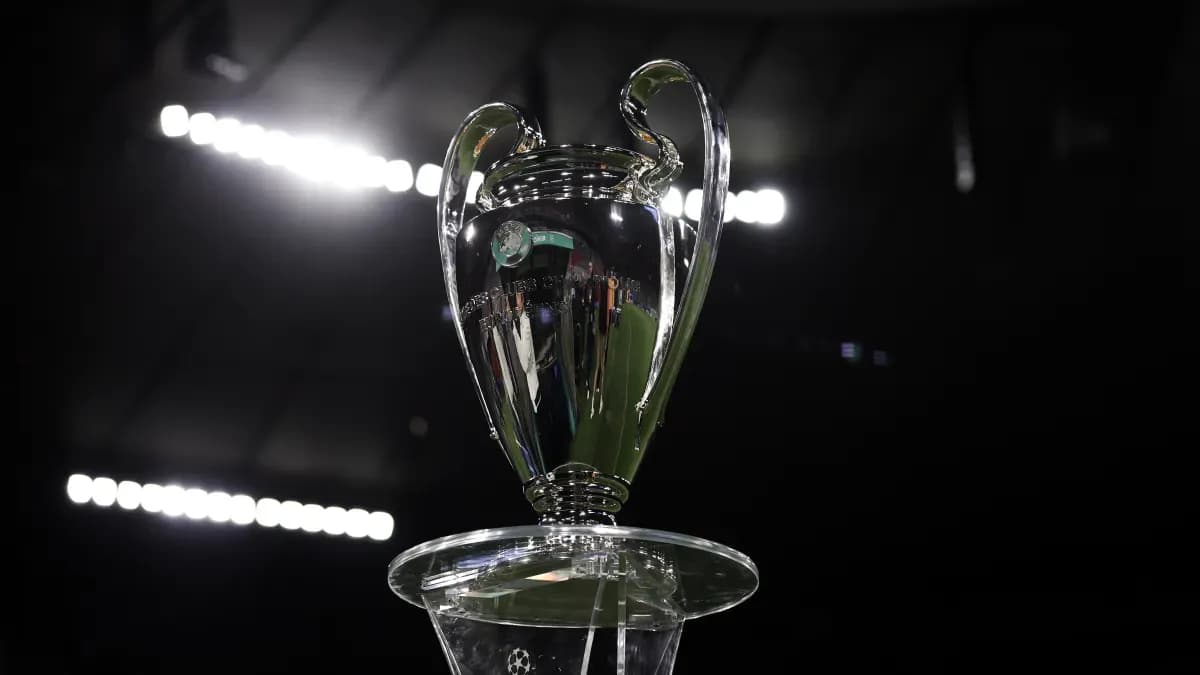
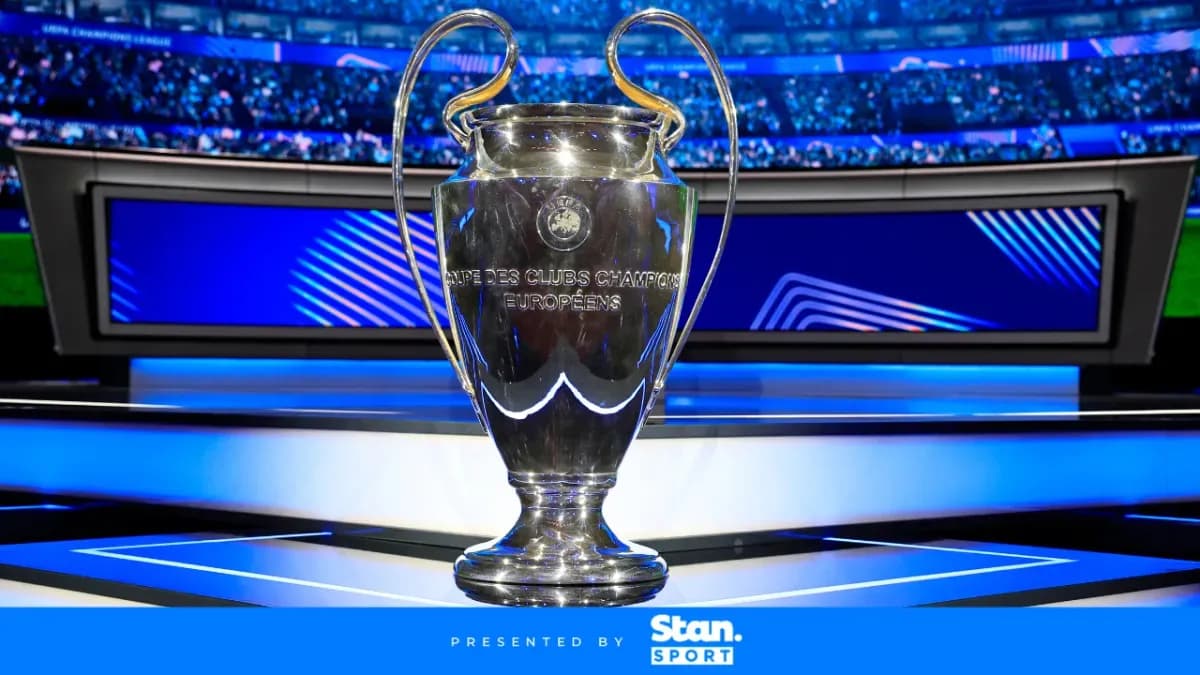
United re-enter the Champions League with a complicated history in the competition. It has been 15 years since they last reached the final, a stark reminder of how far they have drifted from the sharp end of European football.
They have known perfection there before. Two unbeaten marches to the trophy – in 1999 and 2008 – still define eras and careers. Yet even those legendary campaigns do not top the statistical rankings.
A recent assessment by Bally Bet, measuring every team that has gone unbeaten en route to Champions League glory ahead of the 2026 showpiece between Arsenal and Paris Saint-Germain, placed United’s 1999 Treble winners at the bottom of that particular list. Their win ratio of 46.2 per cent could not compete with Bayern Munich’s 2020 machine, which won every single game and humiliated Lionel Messi’s Barcelona 8-2 along the way.
That is the standard now. Relentless, ruthless, almost flawless. United want to live in that company again. To do it, they need a midfield that can impose itself on the biggest nights, not just survive them.
Which brings the conversation back to Casemiro.
“Too Early” – The Casemiro Question
Djemba-Djemba’s admiration for the departing Brazilian is obvious. Asked whether he would have liked Casemiro to stay one more year at Old Trafford, his answer carried a hint of frustration at how quickly the situation has unfolded.
“He's had a great season. I hoped he would stay for another year - he's a fantastic midfielder. He has many, many, many experiences,” he said.
“I would love him to stay one year more, but I don't have the decision. He has the decision, but I think it was too early for him to say what to do, that he will leave the club. It was early for him because after that, when Michael Carrick came, everything changed, didn't it?
“Everything was changing, he was playing well, the team was playing well, they came up again, now they will go to Champions League. I think it was early for him to announce that he will leave the club. I hoped he would stay again one year more, but sadly, it's football.”
That line captures the brutal rhythm of the modern game. A manager arrives, the mood lifts, the team surges, and suddenly a decision that made sense weeks earlier feels out of step with the new reality. Casemiro, a five-time Champions League winner, looked reborn in a side that finally resembled a coherent unit under Carrick. Now he walks away just as the project seems to be gathering momentum.
For United, sentiment cannot dictate the next move. They lose leadership, know-how and a proven big-game temperament. They also free up wages and a slot in a crucial area of the pitch. How they use that space will shape the next phase of Carrick’s tenure.
Do they go all in on a marquee name like Valverde, if a deal can even be prised open? Do they double down on potential with someone like Baleba and trust Carrick’s coaching to turn raw material into Champions League steel? Or do they try to thread the needle with a blend of both profiles?
Casemiro’s departure closes a chapter. The midfield that replaces him will decide whether United’s return to the Champions League is a brief cameo or the start of a serious attempt to rejoin Europe’s true heavyweights.