.svg&w=384&q=75 "Naijagoal logo")

How Brazil's World Cup Hopes Fell Short Against Norway in 2026
Brazil's Early Exit at the 2026 FIFA World Cup
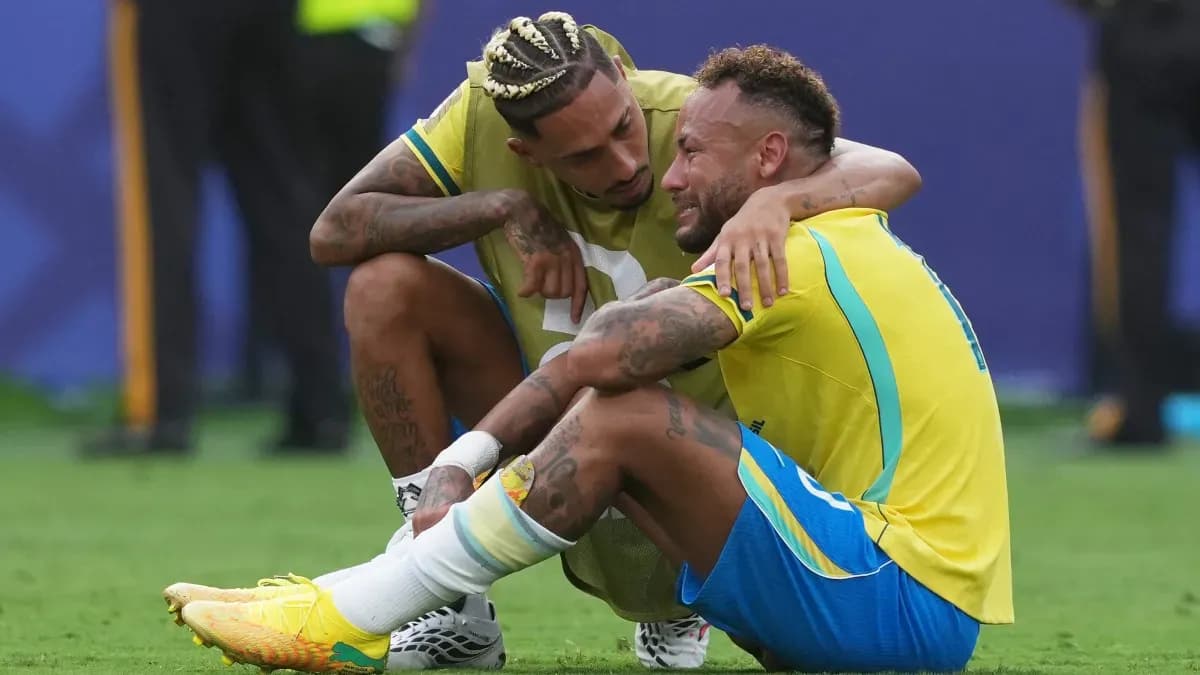
Brazil's loss to Norway, 2-1, at MetLife Stadium marked a frustrating end to their 2026 World Cup journey. Managed by Carlo Ancelotti, the team was knocked out in the Round of 16, continuing a troubling pattern for the five-time champions who haven't reached the semifinals since 2002 except for one appearance that ended in a heavy defeat against Germany.
Where Things Went Wrong for Brazil
The most glaring issue was Brazil's inability to convert chances. Across the tournament, they underperformed compared to their expected goals (xG) in four out of five matches. Although they scored 10 goals on 12.02 xG overall, excluding the game against Haiti where they outscored their xG significantly, they netted just six times from 10.27 xG in other matches. In the knockout clash versus Norway, crucial moments like Bruno Guimaraes having a penalty saved and Endrick missing a one-on-one chance with only the keeper to beat swung the result. Earlier mistakes, such as Igor Thiago's poor finishing against Morocco, also haunted the team. While Vinicius Jr. managed to find the net, he lacked adequate support.
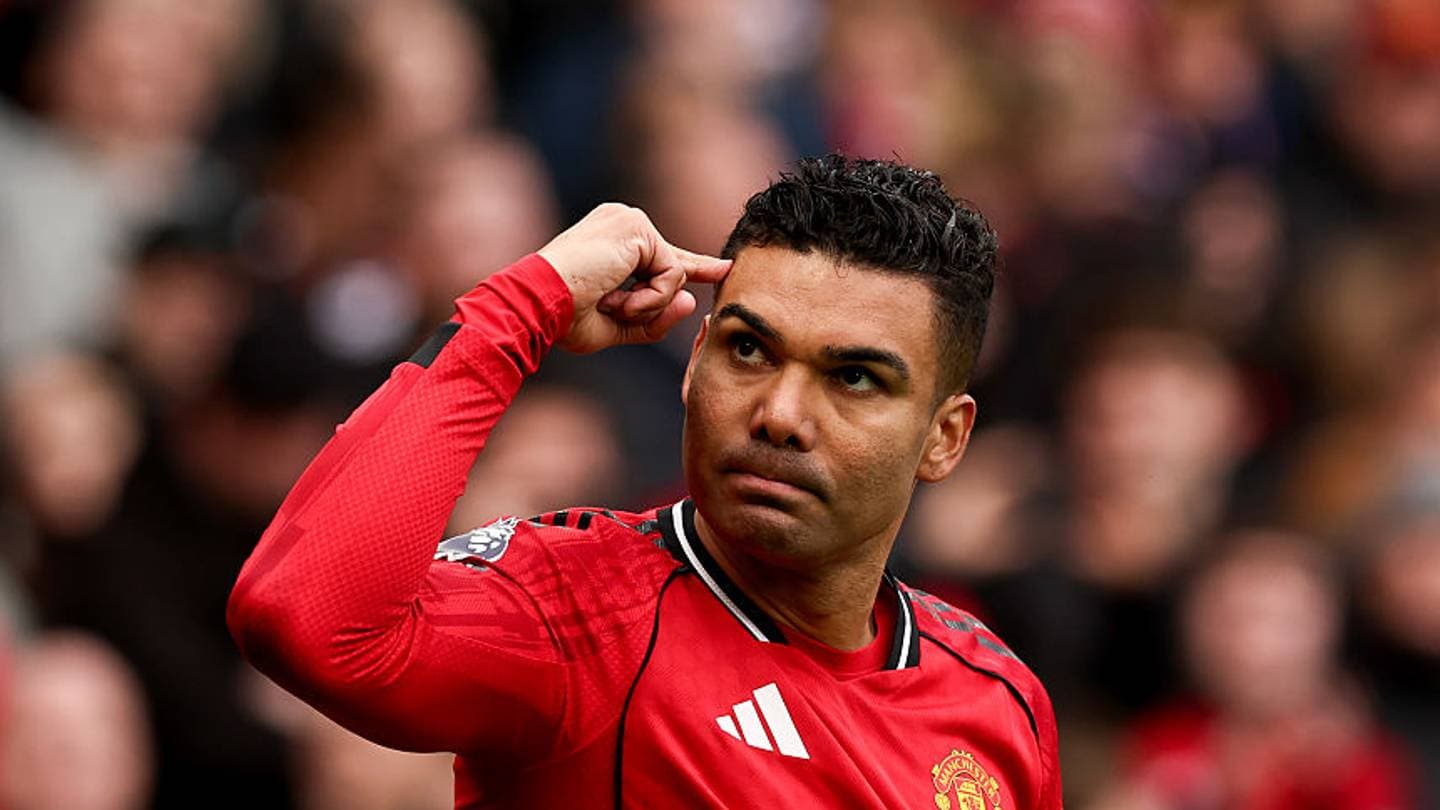
The midfield struggled to hold its ground, forcing Ancelotti to adjust his strategy. Veteran Casemiro, despite a strong club season, showed signs of aging and became a liability both defensively and offensively. Though still strong in aerial duels, his overall influence waned, leading to two halftime substitutions. Lucas Paqueta’s performances were underwhelming until injury forced him out. This left Bruno Guimaraes carrying too much responsibility—defending, maintaining possession, resisting pressure, and creating opportunities—overstretching him and limiting his effectiveness.
Brazil's central defense, featuring Marquinhos and Gabriel, both from clubs that contested the Champions League final, was expected to be solid but faltered under pressure. Gabriel, in particular, was caught out multiple times, most notably when facing Erling Haaland, who scored Norway's opening goal with a powerful header. The defenders often retreated too deep and failed to apply necessary pressure, which allowed Haaland to score again comfortably.
Injuries to Raphinha and Lucas Paqueta hit Brazil hard. Losing Raphinha meant starting Bournemouth’s young talent Rayan, who, while promising, couldn't match Raphinha’s world-class off-ball movement and balance against Vinicius Jr.’s attacking style. This diminished the team's offensive threat considerably.
Stale Solbakken, Norway's coach, outwitted Ancelotti tactically. Aware of Brazil's midfield issues, Norway deliberately accepted less possession, focusing on a patient, slow build-up to exploit counterattack chances. Brazil, meanwhile, hoped to control the game but ended up conceding the ball frequently, allowing Norway to wait for opportunities to feed Haaland. Solbakken explained their plan to keep the ball and play wide to avoid Brazil's fast counters. The strategy paid off, as Brazil could not break through Norway's organized approach and were undone by their own tactic.
"That was our plan, to keep the ball as much as we could and from the beginning we knew we would have the ball," said Solbakken after the match. "We wanted to be slow... We knew that when they get the ball in the front half, then they push Casemiro and Bruno Guimaraes into the box. So we wanted to counteract that by keeping the ball."
In this high-stakes match, Ancelotti’s usual mastery was overshadowed by Solbakken’s game plan. The result added another chapter to Brazil’s recent World Cup struggles and raised questions about the future direction ahead of 2030.