.svg&w=384&q=75 "Naijagoal logo")

Bezos, Saverin, and Bhatia Close in on Liverpool Stake
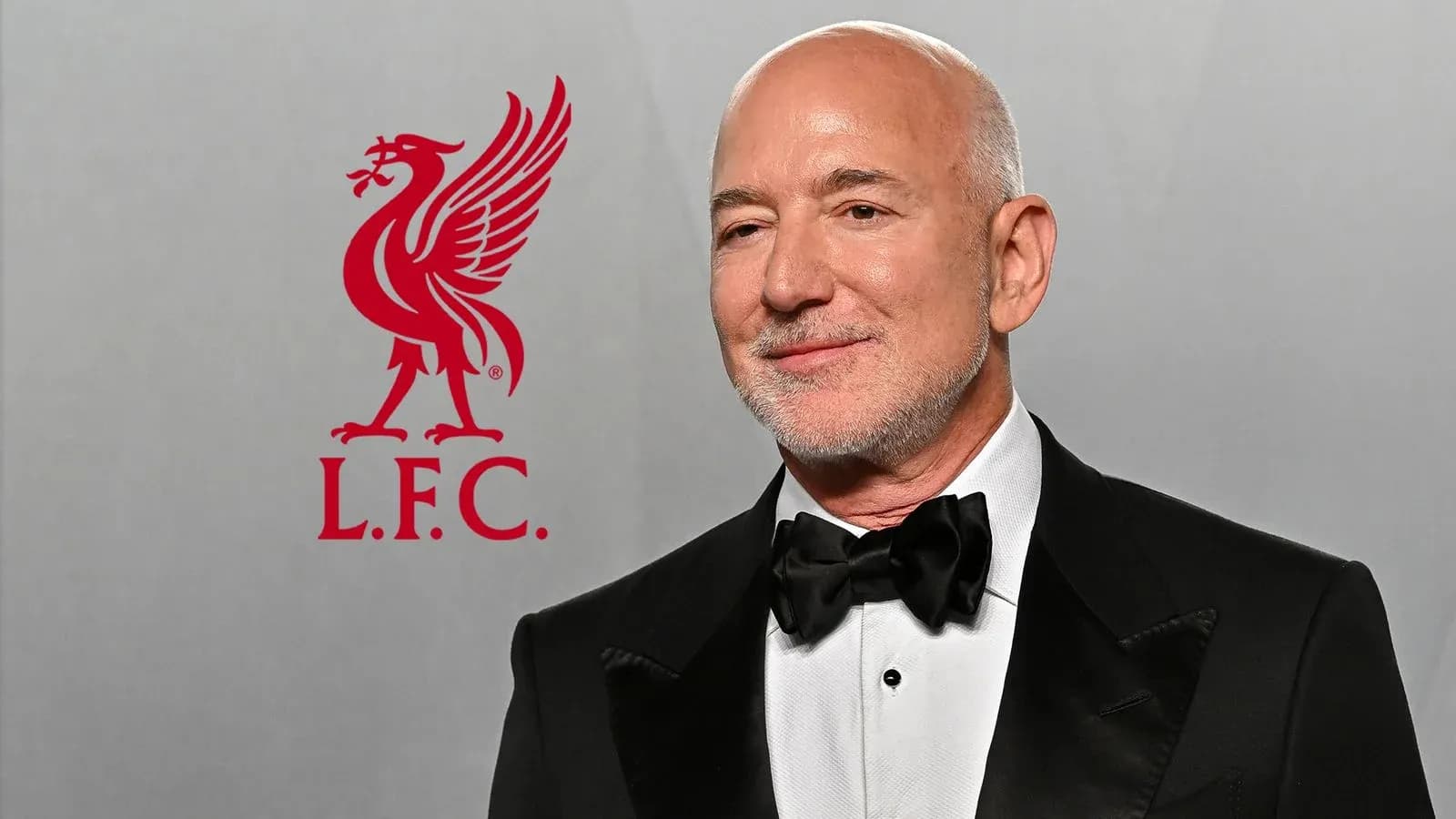
Liverpool are on the brink of welcoming some of the world’s richest men into Anfield’s boardroom, with a consortium involving Amazon founder Jeff Bezos closing on a deal to buy roughly a one-third stake in the club.
Fenway Sports Group (FSG), Liverpool’s controlling shareholder since 2010, is preparing to announce the agreement as early as this week, with sources suggesting the timing could yet slip into next week. Either way, the mood around the deal is clear: this is big, even by modern football’s inflated standards.
At the heart of the syndicate is Amit Bhatia, the British Indian entrepreneur and former Queens Park Rangers shareholder, who is leading the investment group. Alongside him sit Bezos and Eduardo Saverin, the Facebook co-founder, forming a heavyweight trio of tech-era wealth now ready to buy into one of English football’s most storied institutions.
One insider has indicated the stake could creep above 30 per cent, slightly larger than initially expected. The investment is set to value Liverpool at around £4.4bn ($6bn), placing the transaction among the richest in the sport’s history and underlining just how far FSG have taken the club since acquiring it for £300m in 2010, when Liverpool were financially troubled and drifting.
The numbers involved are staggering. Forbes estimates Bezos’ fortune at more than £207bn ($280bn), with Saverin’s wealth put at over £23.7bn ($32bn). If the deal completes, Liverpool would effectively add two of the tech boom’s defining billionaires to an ownership structure already anchored by FSG’s American sports empire, which also includes the Boston Red Sox.
For now, FSG insist this is a strategic minority investment, not a handover of power. A spokesperson said last month: “An investment consortium led, managed, and represented by Amit Bhatia has expressed interest in making a strategic minority investment in Liverpool Football Club.” The group declined to expand on the timing, while a spokesman for Bhatia’s consortium also refused to comment.
Yet the arrival of such financial firepower will inevitably fuel expectations that these investors may eventually look beyond a minority stake. When three of the world’s wealthiest individuals align around a club of Liverpool’s scale, few will believe they are thinking small or short term.
This is also a notable shift for Bezos. He has not previously been seriously linked with football club ownership, despite Amazon’s growing footprint in sports broadcasting. His move towards Liverpool underlines how elite sport has become an asset class in its own right for global investors, sitting alongside technology, media, property and aerospace in the portfolios of the ultra-wealthy.
Bhatia, 46, runs AyBe Capital, a multi-asset investment firm active across technology, media, real estate, consumer retail and health. He is married to Vanisha Mittal Bhatia, daughter of Indian steel magnate Lakshmi Mittal, and has long been familiar with the football landscape from his time at QPR.
Saverin, 44, already tested the waters of Premier League ownership during the 2022 Chelsea auction, when he formed part of a consortium that ultimately failed in its bid to buy the Stamford Bridge club after the sale was forced by sanctions linked to Vladimir Putin’s invasion of Ukraine.
For Liverpool, this is another chapter in a steady evolution of their ownership model. The last change to the shareholding came in 2023, when Dynasty Equity bought a small stake that valued the club at more than £3.3bn ($4.5bn). The new deal, at a far higher valuation, would underline the pace at which Liverpool’s financial clout has grown under FSG, driven by on-pitch success, commercial expansion and the globalisation of the Premier League brand.
Sky Sports News has contacted both Liverpool and FSG for comment, but for now there is silence from Anfield’s powerbrokers as the lawyers and financiers work towards the finish line.
When the announcement finally lands, it will not simply be another minority sale. It will mark the moment Liverpool formally joined the new frontier of football ownership, where tech titans and global capital funds sit at the heart of the game’s future. The only question is how long they will be content with just a slice of the club.