.svg&w=384&q=75 "Naijagoal logo")

Barcelona's International Break Anxiety: Raphinha's Risk
Hansi Flick is not enjoying this international break.
The Barcelona coach has watched almost his entire dressing room scatter across the globe, and the feeling at the training ground is clear: not fear, but a tight, nagging anxiety.
“I feel anxious when the players leave, but I trust the national team coaches and I try to stay positive,” Flick admitted days before the break began. The reality now is harsher. According to Marca, 17 Barcelona players have left to join their national sides. It was supposed to be 18, until Andreas Christensen’s left thigh problem ruled him out of Denmark duty and kept him at the club.
The squad is in excellent physical shape. That is precisely why this break stings. Long flights, heavy minutes, changes of climate and time zones – all of it chips away at that fitness. For some, like Raphinha, the risk feels even sharper. The Brazilian has already lived this story too many times.
Spain-heavy exodus
Seven Barcelona players have joined Luis de la Fuente’s Spain squad: Pau Cubarsí, Eric García, Rodri, Pedri, Fermín, Dani Olmo and Lamine Yamal. They will meet Croatia, and on the other side will be another Barcelona man on international duty: goalkeeper Dominik Livaković.
The talent drain continues at youth level. Xavi Espart and Marc Bernal are with Spain’s under-21s, who face a demanding triple-header in Euro 2027 qualifying against Finland, San Marino and Romania. Three games, three different challenges, and three more chances for fatigue or a bad tackle to change a season.
Germany have called up Adyemi again after a spell out, for fixtures against Serbia and Greece. Raphinha flies with Brazil. João Cancelo is with Portugal. Gordon travels with England, Jules Koundé with France, Hamza Abdelkarim with Egypt, and Bisseck links up with Belgium’s under-21s.
One by one, the training pitches at Barcelona have emptied. The worry has not.
Raphinha at the heart of the tension
Inside the club, the sharpest concern has a name: Raphinha.
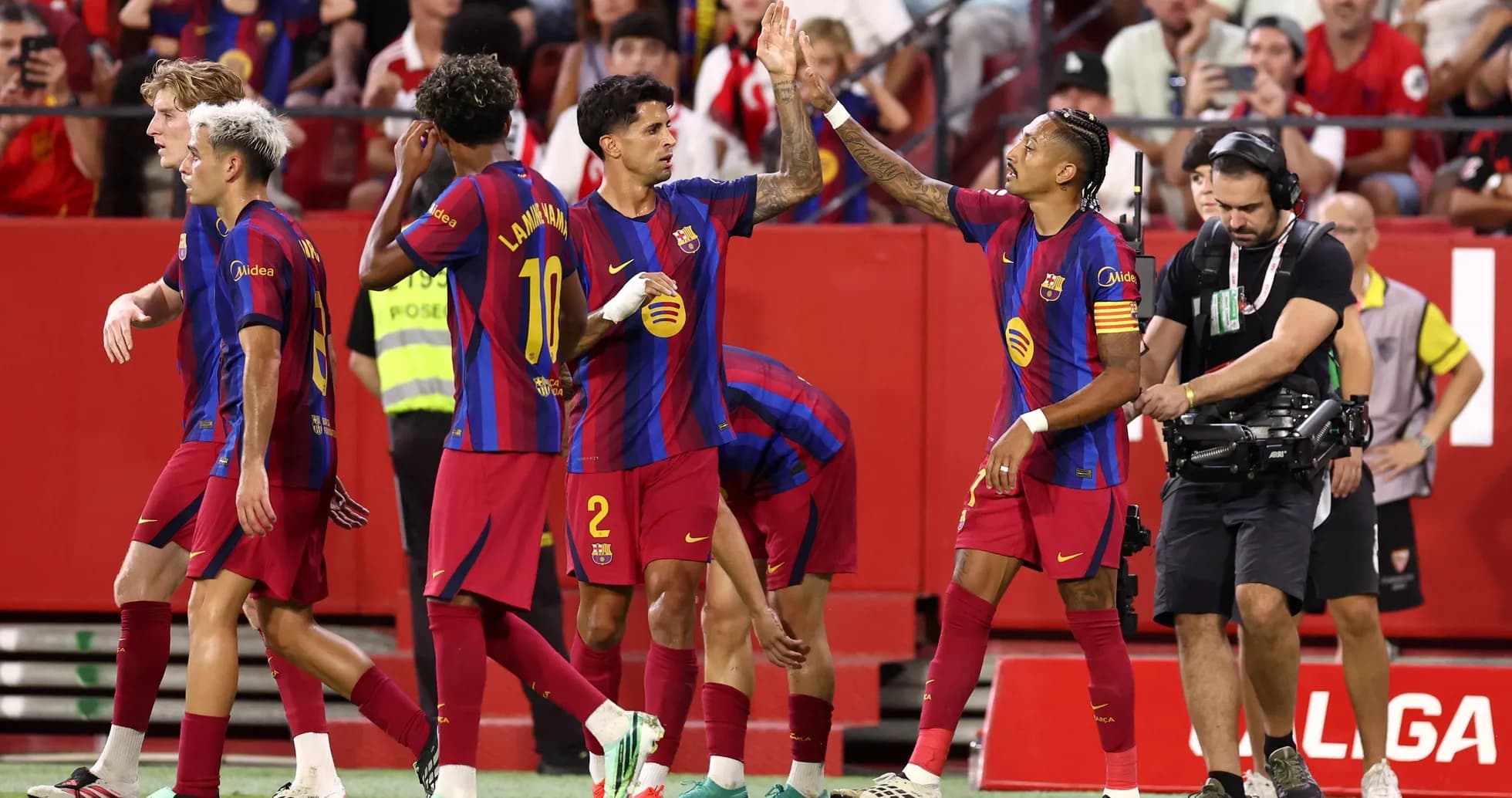
He is the most in-form player in Flick’s squad, with 14 goals in eight matches. He is the forward around whom Barcelona’s attacking rhythm now seems to revolve. And he is again facing a long-haul journey, a demanding schedule and the familiar risk that he returns carrying more than just fatigue.
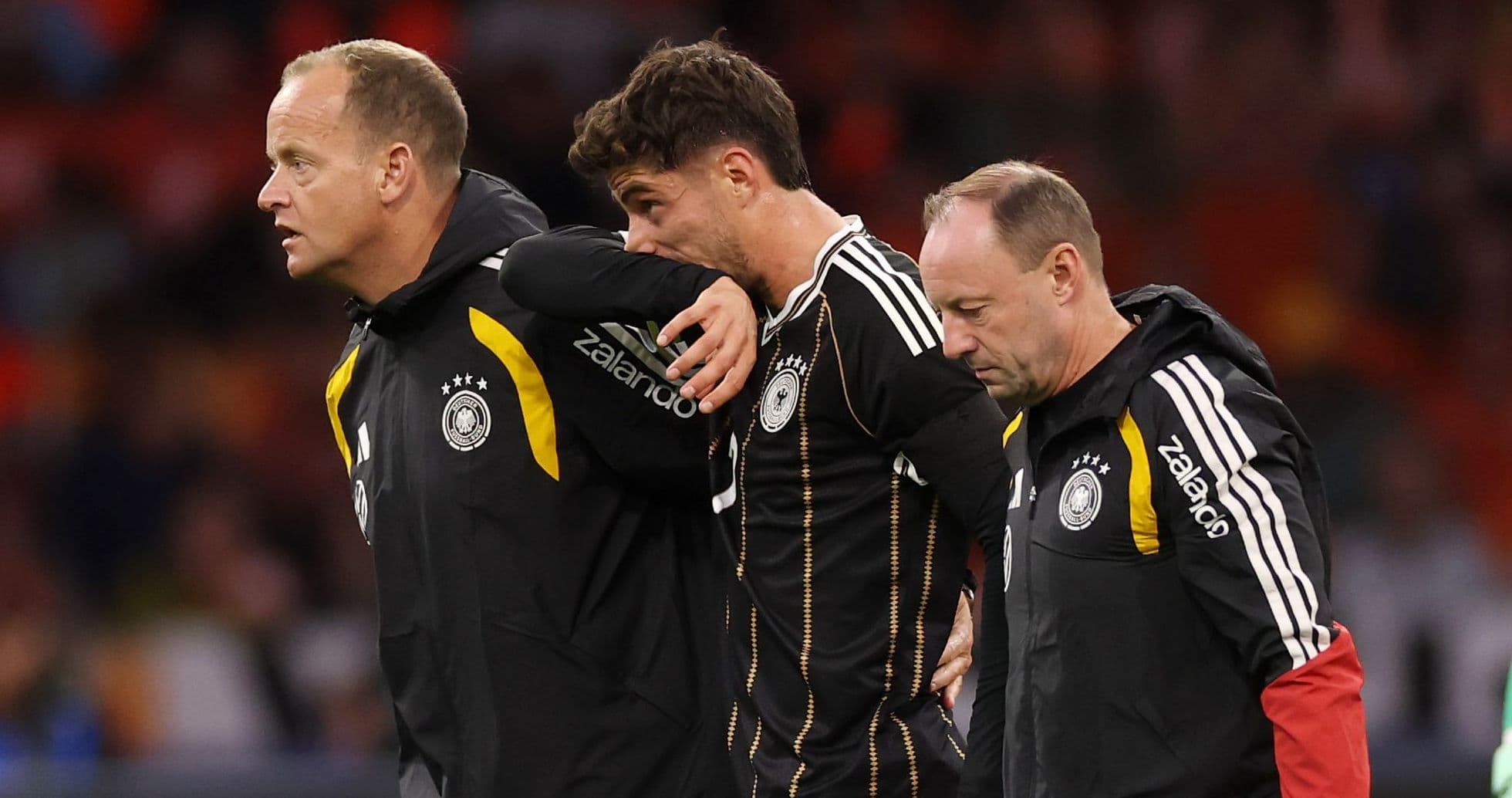
Raphinha has already come back injured from international duty on several occasions. So have Lamine Yamal, Gavi and Frenkie de Jong. The pattern is no longer a coincidence; it is a problem.
The most recent case still lingers in memory. During the last World Cup, Raphinha suffered pain in the tendons of his right knee. Months earlier, in March, a friendly between Brazil and France in the United States had already left its mark. He was injured in the same area, dropped from the squad and sent straight back to Barcelona. He missed five weeks.
Last season, a series of scattered injuries repeatedly disrupted his availability. Flick and the club know what that looks like. They do not want a repeat, not now, not when he finally looks like the decisive forward they believed they were signing.
Laporta’s warning over a packed calendar
The concern is not confined to the dressing room or the dugout. It has reached the president’s office.
Joan Laporta used the club’s general assembly on Saturday to voice his frustration with this break – with its timing, with the sheer volume of games his players must endure, and with a calendar he sees as spiralling out of control. He revealed his intention to speak directly with international football bodies.
“This break affects the rhythm of our preparations. It harms us greatly. We have to keep fighting and find the right balance. There are many competitions, the Conference League and the Nations League ... the schedule is extremely crowded,” Laporta said.
The message was clear: Barcelona feel trapped between their own ambitions and a calendar that never loosens its grip.
Back at the training ground, Flick waits. The pitches are quieter, the sessions lighter, the tension heavier. Barcelona can only hope that when the planes land and the players walk back through the doors, the story is not another injury bulletin, but a rare international break that leaves their season intact.