.svg&w=384&q=75 "Naijagoal logo")

Barcelona Shows Resilience Against Sevilla with Raphinha's Hat-Trick
At the Ramon Sanchez Pizjuan, this was not the swaggering, free-flowing Barcelona that has been steamrolling opponents. This was a grind. And Hansi Flick liked it that way.
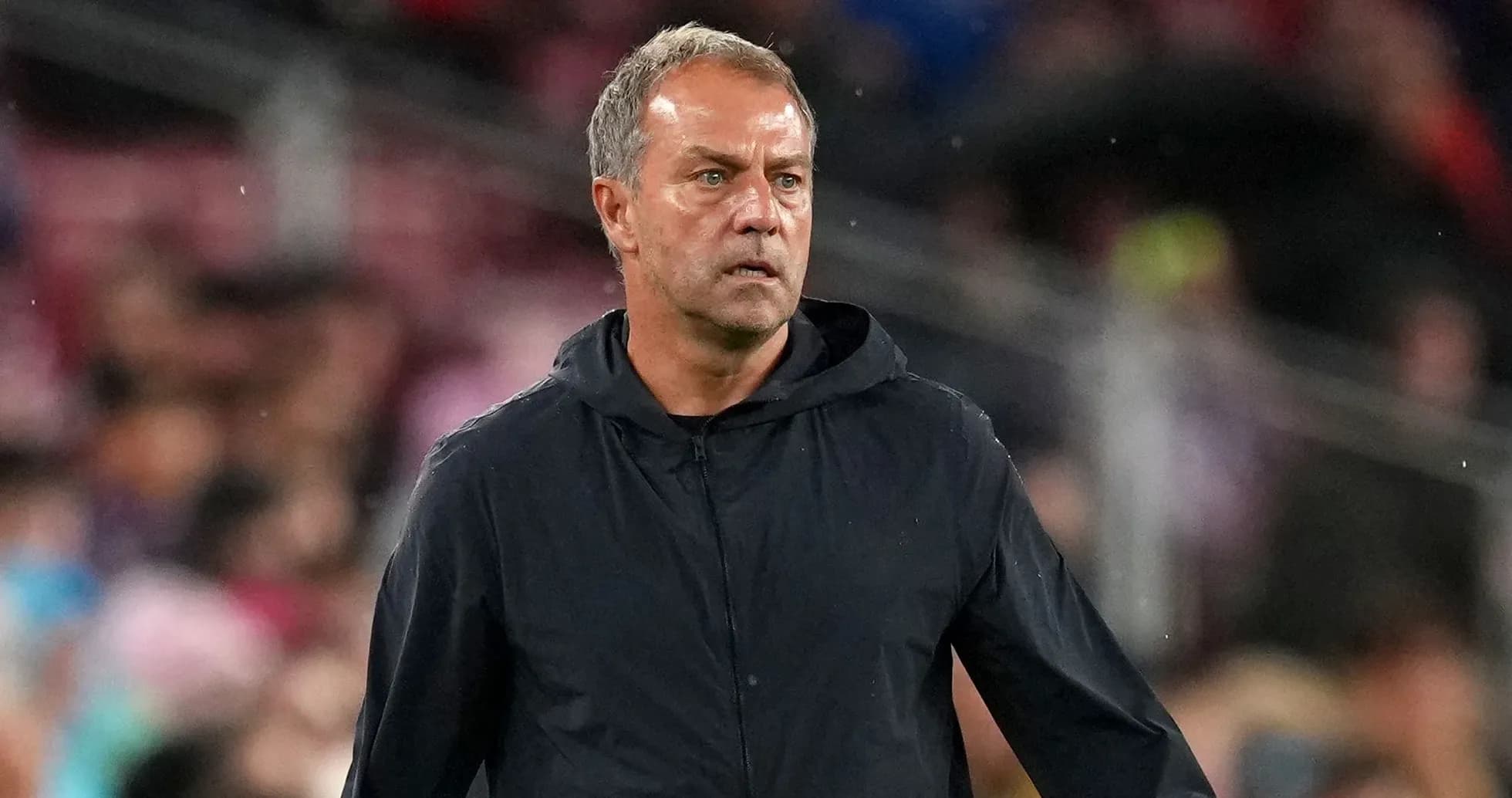
Sevilla came out snarling. Youssouf Fofana’s strike in the 18th minute lit up the stadium and rattled the visitors, who looked second-best for long stretches of the first half. Flick prowled the touchline, arms flailing, the frustration obvious as his side struggled to live with the home team’s intensity.
“We didn't play at our level,” the German admitted afterwards. He didn’t bother dressing it up. In the dressing room at half-time, the message was blunt: they had conceded too much, they were nowhere near their standard, and they had to be “much better.”
The response was ruthless.
If Barcelona needed a spark, Raphinha supplied a bonfire. Fresh from extending his contract until 2030, the Brazilian tore into Sevilla with the kind of performance that justifies every ounce of the club’s faith in him. His hat-trick didn’t just turn the game; it dismantled a defence that had looked so assured early on.
Raphinha attacked spaces, punished mistakes and finished with a cold edge. Every time Sevilla thought they had survived the storm, he came again. By the time his third went in, the contest had flipped from a statement by the hosts to a showcase of individual brilliance and collective resilience.
Flick, though, refused to get carried away by the scoreline or the spectacle.
“You can't always win by five goals,” he said, a pointed reminder amid Barcelona’s recent run of high-scoring wins. For him, the real story was not another attacking avalanche, but how his side dragged themselves out of a poor start and adjusted on the fly.
“The best thing we did was recover from what we did in the first half,” he insisted. Tactical maturity over fireworks. Adaptation over arrogance.
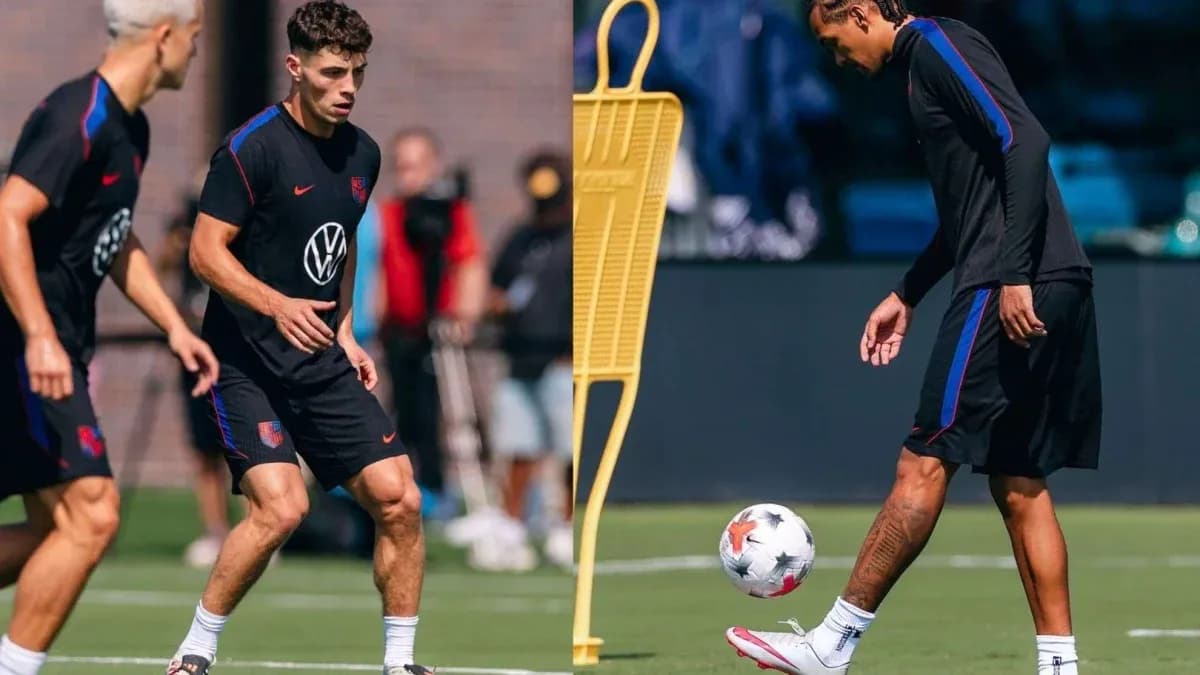
He reserved special praise for his match-winners. “Raphinha is a game-changer; I'm very happy with him and with the club's decision to renew his contract. He gives us a lot, he strengthens the team,” Flick said, before making sure another name was not forgotten. “But I also want to highlight Lamine, who is also a game-changer.”
Lamine Yamal didn’t grab the headlines in the same way as Raphinha’s hat-trick, but his influence was clear. His presence stretched Sevilla, his decisions in the final third sharpened Barcelona’s attacks, and his partnership with Raphinha tilted the pitch decisively towards the home side’s goal.
For Sevilla, the night carried a sting of regret.
Luis Garcia Plaza saw his players execute the game plan to near perfection in the first half. They pressed, they bit into challenges, they forced Barcelona into errors and, for a while, had the league leaders exactly where they wanted them.
“We had an extraordinary first half, but then we couldn't maintain that level in the second,” he admitted. The drop-off was costly. Against this Barcelona, it always is.
Luis Garcia did not hide from the gulf in resources and quality. “As I said before the match, Barcelona is light years ahead of the rest of the league,” he said, yet there was no shame in his tone. Only pride in how his team had pushed them, how they had made them uncomfortable, how they had forced Flick’s side to show a different face.
Barcelona did just that. Not the polished dominance that has become familiar, but a harder, more pragmatic edge. A side that can suffer, adjust and then punish.
On nights like this, titles are not won. But the way a team survives them often tells you how far they can go.