.svg&w=384&q=75 "Naijagoal logo")
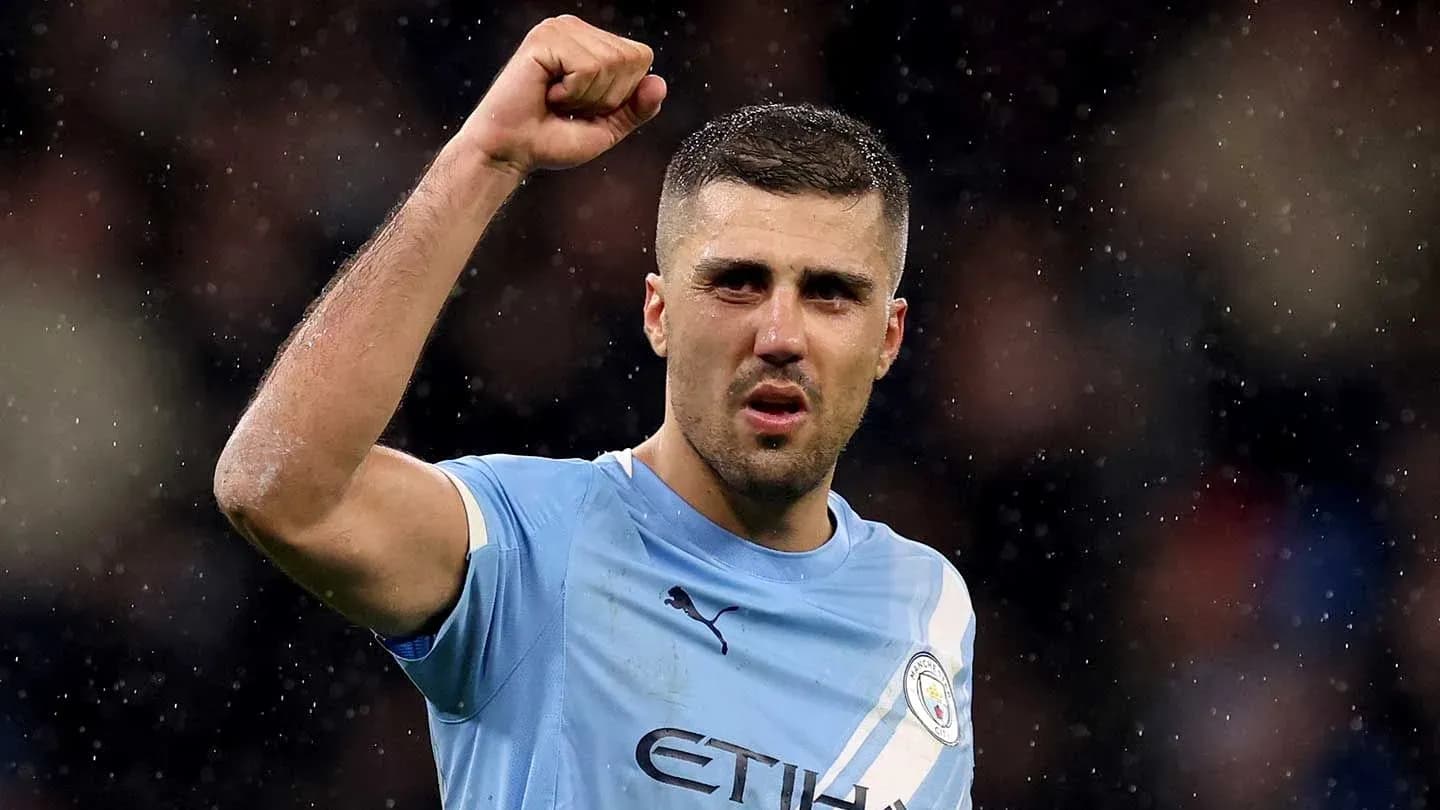

Barcelona's Rodri Bid Rejected by City
Barcelona have finally made their move for Rodri. Manchester City barely blinked.
According to reports from Sky Sports and Fabrizio Romano, the Catalan club have lodged an opening bid worth a total of €50 million — €45 million up front, plus €5 million in bonuses. For a midfielder widely regarded as one of the most complete in the game, that figure was never likely to move the needle at the Etihad.
It didn’t.
City, last season’s Premier League runners-up, are said to have rejected the proposal immediately on Friday morning. No drawn-out talks, no brinkmanship. Just a firm “no” and a reminder of their valuation.
The gap is huge.
Barcelona’s package sits a long way short of the number City are understood to be working with. Only an offer in the region of €80 million would even bring the English club to the negotiating table in a serious way, according to The Athletic. Rodri is under contract until 2027, and City are behaving like a club in no hurry to cash in on the heartbeat of their midfield.
Barça, though, know exactly why they are pushing.
Beating Madrid to the punch
The bid dropped just as the story took a dramatic twist in Spain. Rodri, long linked with Real Madrid, has turned his back on the Bernabeu.
His adviser, Pablo Barquero, told Cadena Ser that the midfielder had decided against joining the Spanish record champions. Barquero spoke in glowing terms about Madrid’s pursuit, praising the “professionalism, the class, the respect and the way Real Madrid conducted the negotiations” and stressing that the club had “done everything” to convince Rodri. Talks with Los Blancos, he said, had gone “positively”.
Then came the sting: Rodri has “decided in favour of another offer”.
Barquero did not name the destination. He didn’t need to. Multiple media outlets in Spain report that the green light has gone to Real’s greatest rivals. On Thursday, Marca claimed Rodri had already given his commitment to Barcelona’s hierarchy, led by coach Hansi Flick, for a move in this transfer window.
So while City shut the door on the first bid, the direction of travel is clear. If Rodri leaves Manchester, his next stop is expected to be Camp Nou, not the Bernabeu.
Real’s frustration, Barça’s opening
In Madrid, the mood has shifted from optimism to frustration. Real had been working on the deal for weeks, trying to lure the Spanish world and European champion captain to a midfield already packed with talent. From the president down, the club hierarchy pushed hard.
The signals from Rodri’s camp gradually darkened their hopes. The preference was Catalan, not Castilian.
At City, the situation is different. Rodri has given no indication of extending his contract with the Sky Blues, which runs to 2027. That alone has fuelled the sense inside the English club that a departure this summer is no longer unthinkable. But “not unthinkable” is a long way from “cheap”.
For Barcelona, the attraction is obvious.
Flick’s side is built around the ball. They want to dominate possession, control rhythm, suffocate opponents through structure and passing. Rodri is the prototype for that model: a metronome, a shield, a leader. He would also walk into a dressing room full of familiar faces, joining several Spain teammates with whom he has just lifted the World Cup.
Real, under new coach Jose Mourinho, are expected at times to lean more heavily on transitions, power and verticality. That doesn’t exclude a player of Rodri’s profile, but it makes Barça’s project feel more tailored to his strengths.
The financial squeeze at Camp Nou
There is a brutal reality behind Barcelona’s ambition. To get Rodri, they probably have to sell.
The club’s financial issues have been a constant backdrop in recent windows, and this one is no different. Matching City’s valuation — or even getting close enough to tempt them — will require room on the wage bill and serious incoming funds. The first offer of €50 million looks more like a marker than a final play.
City know that. They can afford to be patient. With a contract running until 2027 and no immediate pressure to offload, they hold the leverage. If Barça want to turn Rodri’s reported commitment into a signature, they must stretch themselves in a way they have been wary of doing since their financial crisis first bit.
On the pitch, the need is pressing.
Frenkie de Jong faces a longer spell out with a knee injury, leaving a glaring hole in central midfield. Flick requires a conductor, someone to knit together a side that still leans heavily on its positional play ideals. Rodri would not just fill that void; he would redefine it.
Right now, though, there is only a rejected bid, a clear price line from Manchester, and a player who has, according to his adviser, already turned down Real Madrid in favour of another path.
Barcelona know which path that is. City know what it will cost to walk it.
Who blinks first?