.svg&w=384&q=75 "Naijagoal logo")

Barcelona's Captaincy in Transition as Ter Stegen and Araujo Face Departures
The captain’s armband at Barcelona, once a symbol of continuity and hierarchy, is suddenly up for grabs. Marc-André ter Stegen’s loan move to Ajax ripped up the old order. Ronald Araujo’s potential switch to Liverpool threatens to tear up the hastily drawn new one.
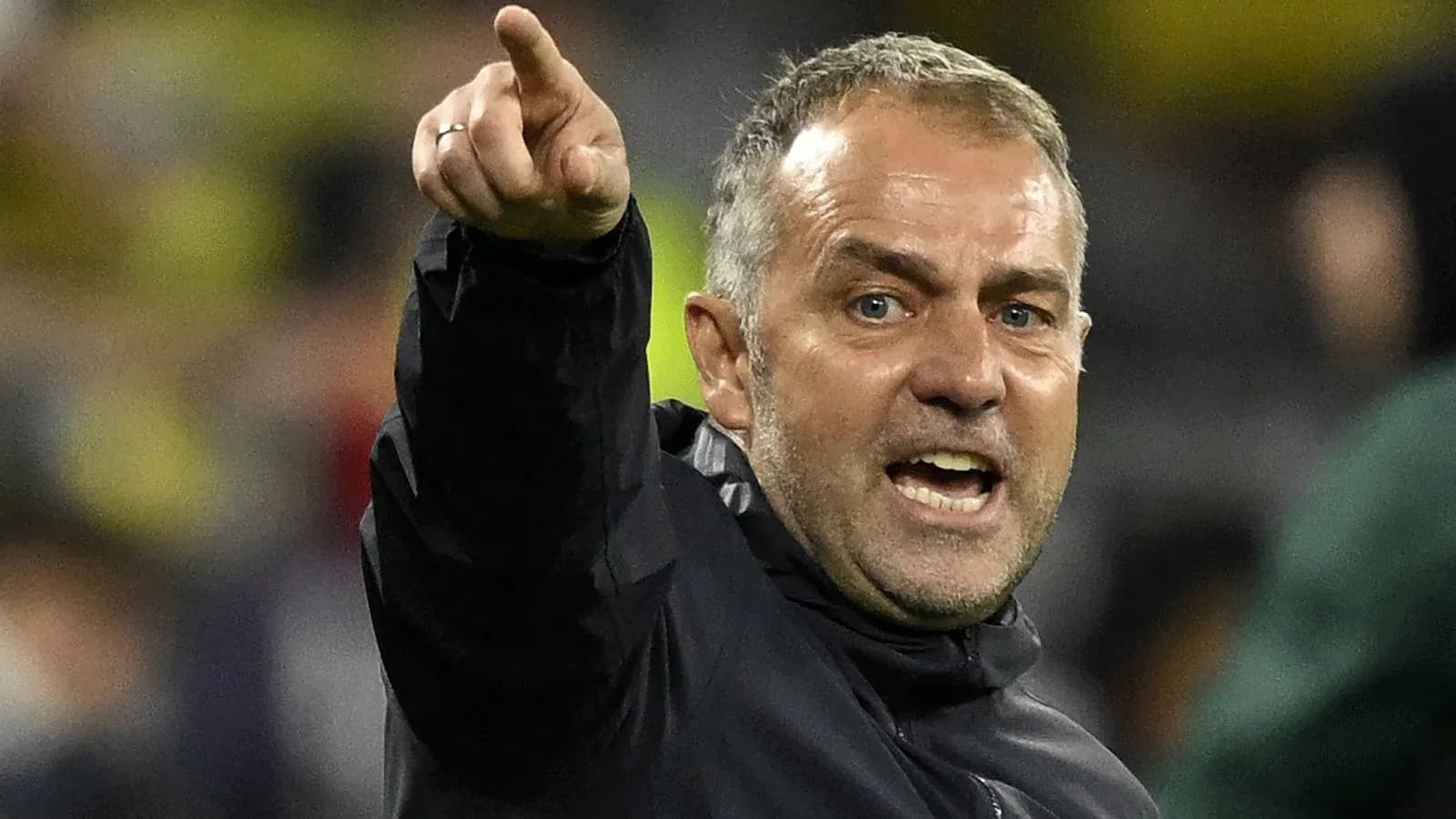
Hansi Flick walked into a dressing room that, until the end of last season, knew exactly where it stood: Ter Stegen, Araujo, Frenkie de Jong, Raphinha, Pedri. A clear line of succession. A clear core of voices. That spine has now been jolted.
Ter Stegen’s departure initially elevated Araujo to the role of primary captain, a natural step for a defender who had become one of the emotional leaders of the side. Then came the shock: serious movement around a possible transfer to Liverpool. In a matter of weeks, Barcelona have gone from stability to uncertainty in the most symbolic position of all.
Inside the club, that instability has forced Flick and the hierarchy to reassess what leadership should look like in a squad stacked with young talent. They are not just replacing names on a list. They are trying to rebuild the bridge between the dressing room and the bench.
De Jong sits at the centre of that discussion. On paper, he is the obvious first captain now. Senior, respected, a reference point on the pitch. But his current injury complicates everything. His recovery has already sparked internal debate, with frustration in the boardroom over what is seen as his decision to prioritise the World Cup over club duties. When your supposed main captain is in the treatment room and under scrutiny, the armband suddenly feels heavier.
This is where Raphinha’s rise becomes crucial. As highlighted by Mundo Deportivo, the Brazilian has quietly become one of the most influential figures in the squad. Not just with goals and assists, but with presence. Teammates respond to him. His personality, his work rate, his willingness to assume responsibility have pushed him to the front of the leadership queue.
In a group searching for loud, convincing voices, Raphinha has started to sound like one of them.
The expectation inside the club is that De Jong, Raphinha and Pedri will form the core of the new captaincy group. Pedri, still young, carries the technical and symbolic weight of Barcelona’s future. De Jong, if fit and fully committed, remains the senior figure from the previous cycle. Raphinha brings intensity and personality that play well in a dressing room full of emerging players.
But Barcelona do not just want three captains. They want a full leadership unit. Two more names must be added.
Eric Garcia has emerged as one of the strongest candidates. His profile fits the club’s traditional idea of a captain: La Masia-educated, tactically intelligent, steeped in the demands and values of Barcelona. He has played at the highest level, returned home, and understands exactly what the shirt represents. In a period of flux, that deep connection to the academy and the club’s identity carries weight.
On the other side of the age spectrum stands Gavi. Only 22, yet already battle-hardened by life in the first team. He plays with a ferocity that supporters instinctively recognise as “Barça” in its most aggressive form: intensity, passion, refusal to hide. Experience is often the currency in these decisions, but Gavi’s character forces him into the conversation earlier than most.
The clock is ticking. The competitive season looms, and the hierarchy knows Flick cannot walk into the first official fixture with a vague idea of who leads his team. The new captains will be more than just coin-toss representatives. They will be the ones asked to enforce standards, to protect the young core, to carry messages from the staff into a restless dressing room.
Discipline. Morale. Identity. Those are the responsibilities being handed over.
De Jong remains the most senior survivor of the old leadership group, yet his injury and unresolved long-term picture mean the real burden may shift elsewhere. All signs point to Raphinha and the La Masia products stepping into that space.
Barcelona are not just changing captains. They are redefining who speaks for the club on the pitch at a time when every word, every gesture, will be scrutinised.