.svg&w=384&q=75 "Naijagoal logo")


AEK Athens FC Secures Narrow 1–0 Win Over Lask Linz in Champions League
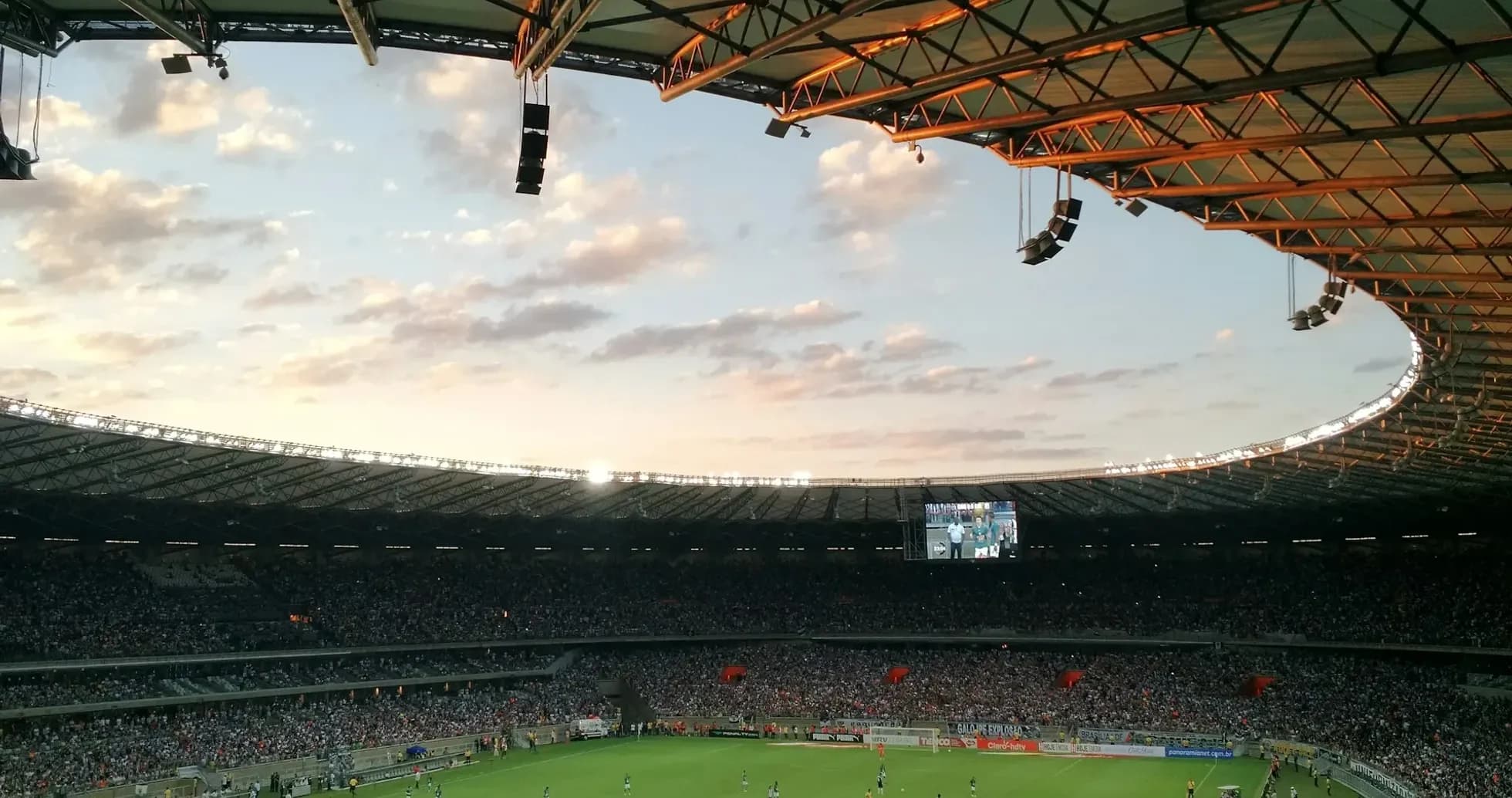
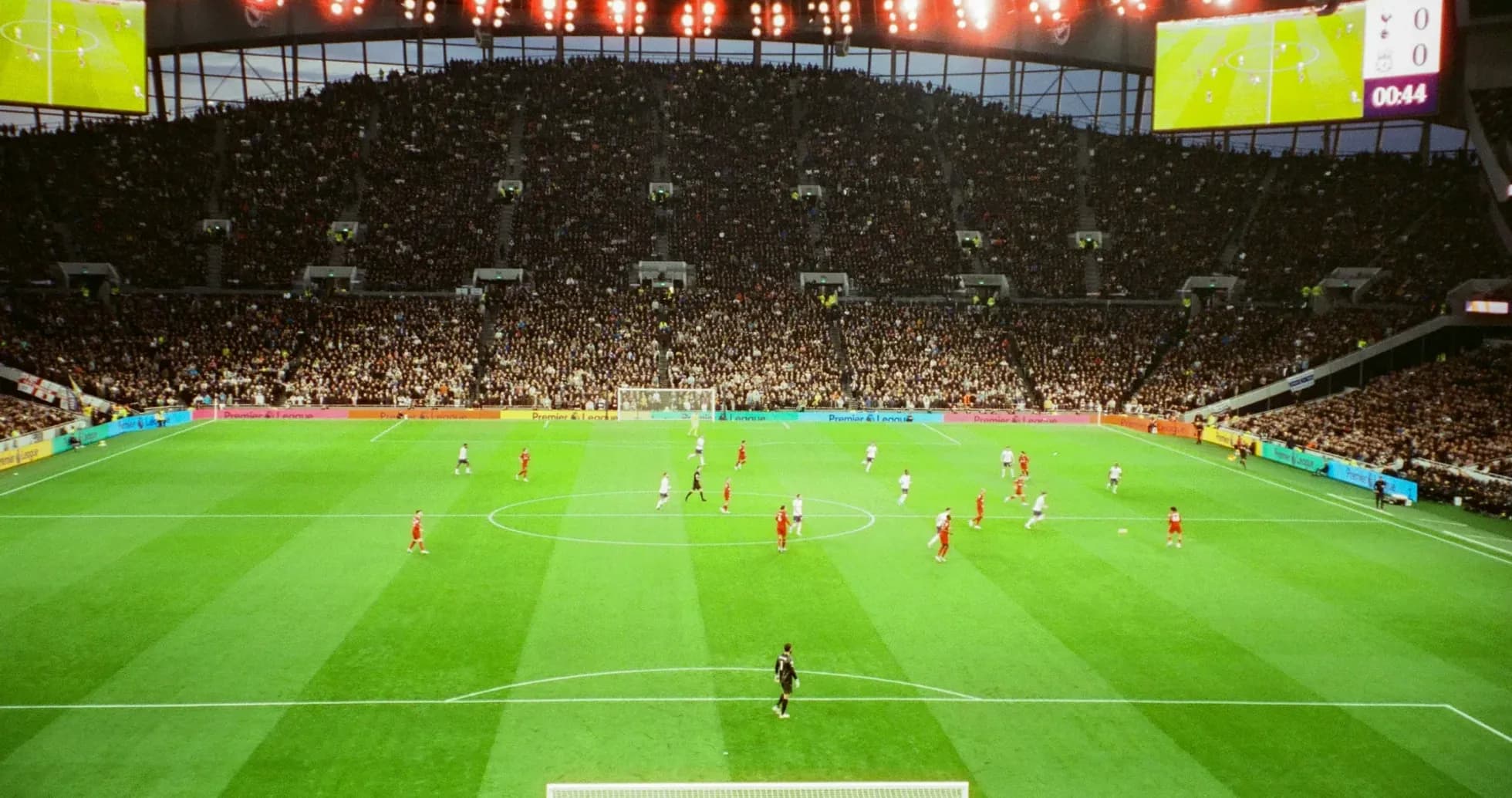
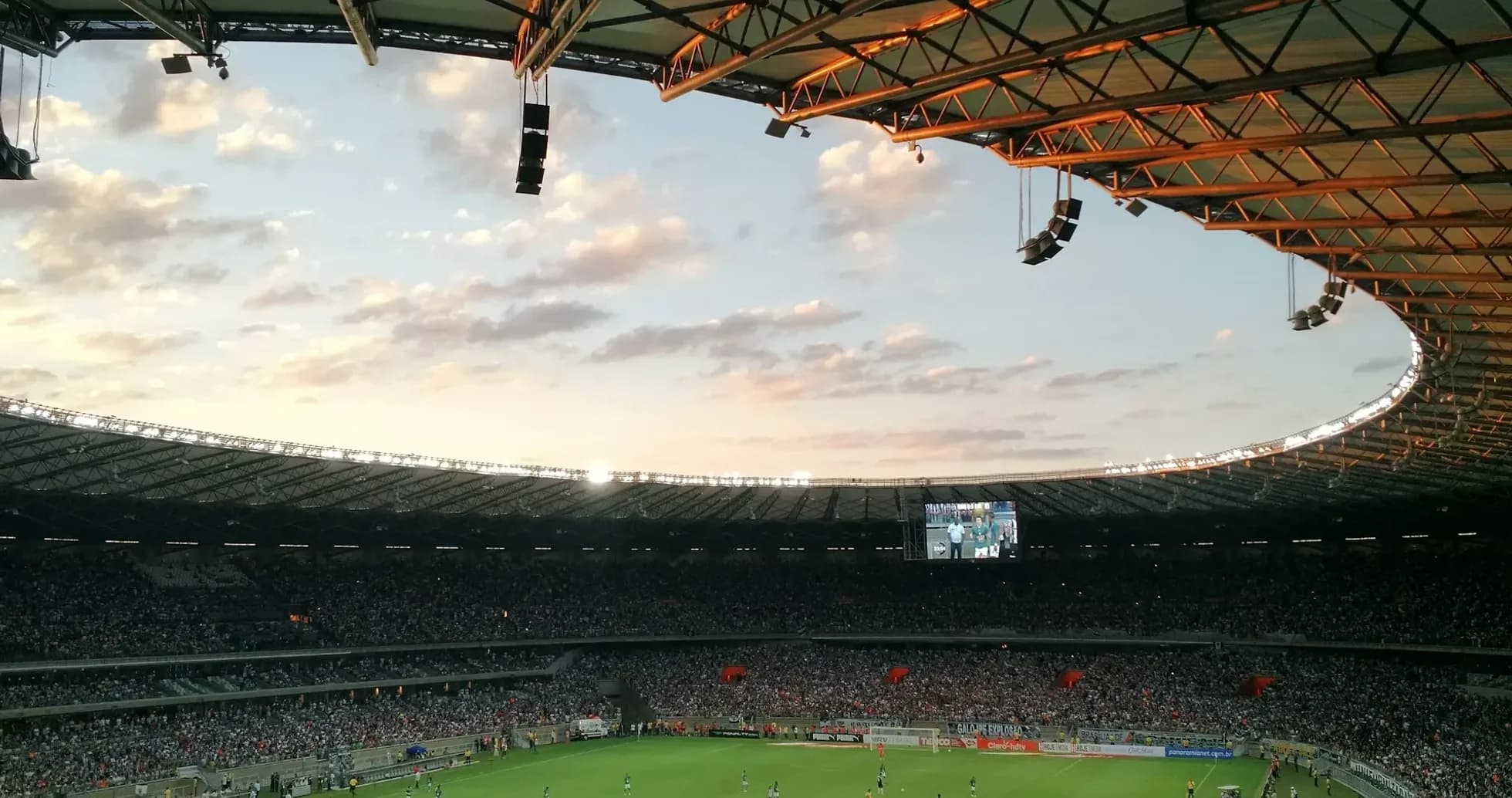
Under the lights of Allwyn Arena in Athens, AEK Athens FC and Lask Linz closed a cagey UEFA Champions League League Stage opener with a narrow 1–0 home win, a result that already sketches the tactical identities both sides may carry through the campaign.
I. The Big Picture – Emerging Identities
Following this result, AEK Athens sit 12th in the league table on 3 points, with a goal difference of +1 from 1 goal scored and 0 conceded in total. Lask Linz, meanwhile, are 31st with 0 points and a goal difference of -1, having failed to find the net in their opening outing.
The numbers around this single match dovetail with their broader early-season profiles. Across the Champions League season so far, AEK have played 3 fixtures in total (2 at home, 1 on their travels), remaining unbeaten with 2 total wins and 1 total draw. At home they have been ruthless: 2 home wins from 2, scoring 5 goals at home and conceding none. Their attacking output at Allwyn Arena is sharp, averaging 2.5 goals at home, while their defensive record is immaculate with 0.0 goals conceded on average at home and 0.0 in total.
Lask Linz’s season tells a more volatile story. In total they have played 3 fixtures (1 at home, 2 away), with 1 total win and 2 total defeats. The contrast between home and away is stark: at home they have scored 5 goals and conceded 1, averaging 5.0 goals for and 1.0 against. Away, they have yet to score, with 0 away goals for and 4 away goals against, an away average of 0.0 scored and 2.0 conceded. On their travels, they have failed to score in 2 away matches, and in total they have failed to score in 2 of 3 games. It is a pattern that this 1–0 defeat in Athens only reinforced.
II. Tactical Voids and Discipline
AEK’s structure is built on continuity. Marko Nikolic again trusted the 4-4-2 that has been used in all 3 of their Champions League fixtures. A. Brignoli anchored the side in goal behind a back four of L. Rota, H. Moukoudi, F. Relvas and S. Pilio. Ahead of them, a flat but flexible midfield line of L. Majer, M. Vitalis, R. Marin and A. Koita provided balance between control and transition, while the front two of B. Varga and L. Jovic gave AEK a dual focal point.
The season-long disciplinary profile underpins that solidity. AEK have not received a red card in any time window so far. Their yellow cards are evenly distributed: 25.00% of their yellows have arrived in each of the 31–45, 46–60, 61–75 and 76–90 minute ranges, suggesting a side that competes consistently without losing emotional control in any specific phase.
Lask Linz arrived with Dietmar Kuhbauer’s 3-1-4-2, a variant of the 3-5-2 they have used in 2 other fixtures. L. Jungwirth stood behind a back three of X. Mbuyamba, J. Tornich and A. Andrade, shielded by M. Bogarde as the single pivot. The line of four—K. P. Molgaard Jorgensen, R. Ljubicic, S. Horvath and G. Bello—was tasked with stretching AEK horizontally, supplying the front duo of M. Usor and C. Lang.
Their disciplinary trend, however, hints at late-game turbulence. In total, Lask’s yellow cards cluster in the closing stages: 20.00% between 31–45 minutes, another 20.00% from 61–75, but a pronounced 40.00% in the 76–90 window and a further 20.00% between 91–105. This late spike in cautions suggests that as matches tighten, Lask’s defensive aggression can tip into desperation, an issue that can undermine their pressing structure and invite set-piece danger.
III. Key Matchups – Hunter vs Shield, Engine Room vs Enforcer
The defining duel of this tie was the “Hunter vs Shield” confrontation between AEK’s leading Champions League scorer B. Varga and a Lask back line that has looked fragile away from home.
Varga’s broader numbers frame his influence: in total this Champions League campaign he has scored 2 goals in 3 appearances, with 4 total shots and 2 on target, supported by 50 total passes and 2 key passes. He has also been combative, engaging in 37 total duels and winning 20. Even when he is not on the scoresheet, those metrics describe a forward who occupies centre-backs relentlessly and offers an outlet for direct play.
Against him stood a Lask defence that, in total, has conceded 5 goals—1 at home and 4 on their travels. On their travels alone, 4 goals against in 2 away fixtures underline their vulnerability when the back three is stretched horizontally and forced to defend the box under pressure. In Athens, Varga and Jovic repeatedly pinned Mbuyamba, Tornich and Andrade deep, preventing Lask from stepping out and compressing the midfield.
In the “Engine Room” battle, AEK’s central pairing of M. Vitalis and R. Marin, flanked by the creative L. Majer and the dynamic A. Koita, had to solve the problem of M. Bogarde’s screening and the industrious trio of K. P. Molgaard Jorgensen, R. Ljubicic and S. Horvath. The outcome was a match where AEK’s midfield maintained structural discipline, rarely leaving Brignoli exposed, and continued a run of 3 total clean sheets from 3 total fixtures.
Lask’s central unit, by contrast, could not convert possession into penetration. In total this season they have scored 5 goals, all at home, with 0 goals on their travels. That imbalance hints at a side that can overwhelm in familiar surroundings but struggles to break compact blocks away, especially when the wing-backs—here G. Bello and Molgaard Jorgensen—are pinned back by wide midfielders like Koita and Majer.
IV. Statistical Prognosis – What This Result Signals
From a probabilistic lens, AEK’s defensive platform looks sustainable. In total they have conceded 0 goals across 3 fixtures, with 0.0 goals against on average both at home and in total, and they have kept 3 total clean sheets. Their 5 total goals for, all coming at home, and a total average of 1.7 goals scored, suggest that while they may not be an attacking avalanche away, they are more than capable of grinding out home wins like this one.
Lask, on the other hand, are trending in a more fragile direction. Their total goal difference is 0 (5 scored, 5 conceded), but that balance is entirely built on home dominance; on their travels they have 0 away goals for and 4 away goals against. They have yet to keep a clean sheet in total, and have failed to score in 2 total fixtures, both away. Compounding this, their penalty record is a psychological weight: in total they have taken 1 penalty and missed it, with 0 scored and 1 missed, a 0% conversion rate and 100.00% of their penalties missed. In tight away games like this, those fine margins can be decisive.
Following this result, the tactical arc is clear. AEK Athens will lean into a home-first model: a settled 4-4-2, a defensive unit that has not yet been breached, and a focal striker in B. Varga who embodies their blend of work rate and penalty-box presence. Lask Linz must solve their away riddle—shoring up a back three that concedes 2.0 goals on average on their travels and finding a way for creators like Ljubicic and Horvath to supply Usor and Lang without leaving Bogarde isolated.
If the early numbers hold, AEK’s path toward the Champions League play-off picture will be built on nights exactly like this in Athens: narrow, controlled, and relentlessly efficient.