.svg&w=384&q=75 "Naijagoal logo")

Ranking the 2026 World Cup Quarterfinal Teams from France to Switzerland
2026 FIFA World Cup Quarterfinals: Ranking the Final Eight
The 2026 World Cup, featuring a historic 48-team format, has now narrowed down to just eight teams battling for the title. After surprising exits by the Netherlands, Brazil, and Portugal in earlier rounds, the remaining squads have demonstrated resilience and skill, setting the stage for intense quarterfinal matchups.
8. Switzerland
Currently ranked #17 by FIFA, Switzerland's journey saw a mix of draws and wins, including a penalty shootout victory over Colombia in the Round of 16. Breel Embolo leads their attack with support from Ruben Vargas, who has impressed on the wing. Granit Xhaka continues to control the midfield effectively, though defensive lapses sometimes threaten their stability. An injury to Johan Manzambi hampered their creativity recently, leaving concerns about their ability to challenge Argentina next.
7. Belgium
Belgium, ranked #11, struggled early with uninspired performances and an aging Kevin De Bruyne showing signs of fatigue. Their attack lacked sharpness until a dominant 4-1 win against the USA in the Round of 16, where coach Rudi Garcia outmaneuvered Mauricio Pochettino tactically. While that result restored some confidence, Belgium still faces questions about consistency and depth as they advance.
6. Morocco
Ranked #6, Morocco carries the momentum from their historic 2022 semifinal run. Led by star Achraf Hakimi and backed by hard-working role players, they have shown they can compete with top teams. Their smooth 3-0 win over Canada signals strength, but facing the powerful French side will test young midfield talents like Ayyoub Bouaddi, who must step up to control play against Les Bleus.
5. England
England entered the tournament as strong contenders and began impressively with a 4-2 win over Croatia. Despite uneven performances in subsequent games, their resilience shone through a tough 3-2 victory against Mexico. Injury issues at right-back and doubts over squad construction add complexity to their path forward. Thomas Tuchel’s management is solid, but the team needs to justify its lineup choices while handling fitness concerns among key midfielders Declan Rice and Elliot Anderson.
4. Norway
Norway, ranked #22, no longer surprises anyone with their quality. With Erling Haaland and Martin Odegaard spearheading the attack, supported by players from top European leagues, they have toppled strong opponents like Ivory Coast and Brazil. Coach Stale Solbakken’s tactical adjustments have paid off, especially his plan to maintain possession against Brazil’s attempts to stifle counters. Norway could reach the semifinals if fortune favors them, buoyed by Haaland’s clinical finishing.
3. Argentina
Top-ranked Argentina has leaned heavily on Lionel Messi's brilliance to navigate the tournament so far. Their midfield has appeared fragile, often struggling to control matches and vulnerable to counterattacks. Though Messi remains a legendary figure capable of moments of magic, the team's overall form raises doubts about sustaining a title run. Still, Argentina retains enough star power to claim back-to-back World Cup titles, a feat unseen since the 1960s.
2. Spain
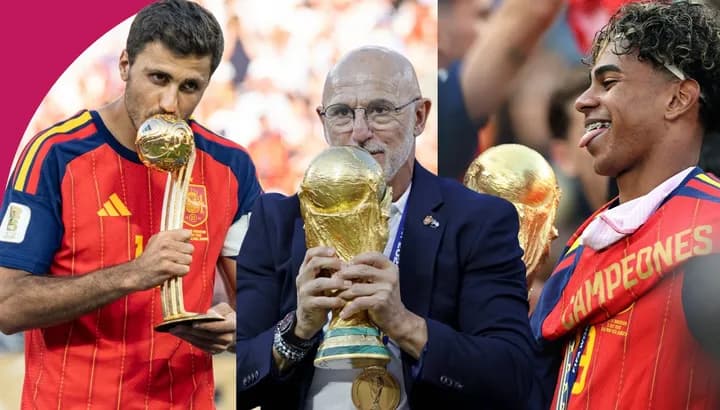
Spain, FIFA’s third-ranked team, boasts the tournament’s strongest defense, having kept six straight clean sheets—a World Cup record. Their offense is less potent without fully fit Lamine Yamal and sidelined Nico Williams, but midfield maestros Pedri and Rodri provide balance. Goalkeeper Unai Simon’s steady presence completes a well-organized unit that appears poised for a deep run.
1. France
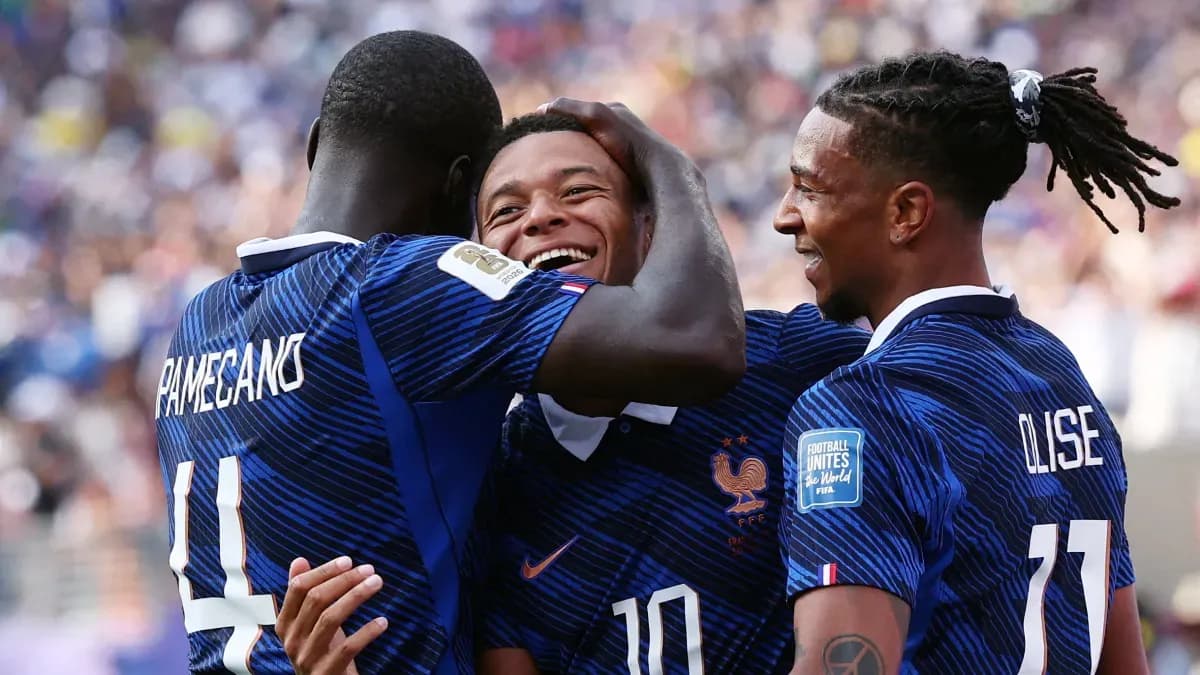
France stands out as the tournament favorite, blending immense talent with dynamic performances. They crushed opponents like Senegal and Norway convincingly before edging Paraguay. Kylian Mbappe shines as the world’s most electrifying attacker after Messi, offering unmatched offensive threat despite minimal defensive work. Michael Olise’s emergence as a creative force adds depth. The midfield remains France’s weakest link, relying heavily on Aurelien Tchouameni, with limited backup behind him. Coach Didier Deschamps tends to favor possession tactics but may need to unleash his team’s attacking flair fully to secure victory.