.svg&w=384&q=75 "Naijagoal logo")

World Cup Faces Storms, Protests, and Flag Controversies
The World Cup rolled through another volatile day in North America, a tournament bursting with storylines on and off the pitch. From biblical weather threatening France’s clash with Iraq, to Egypt’s first ever World Cup win, to England fans having an England flag turned away at the turnstiles, there was barely a quiet moment.
Storm threat hangs over France v Iraq
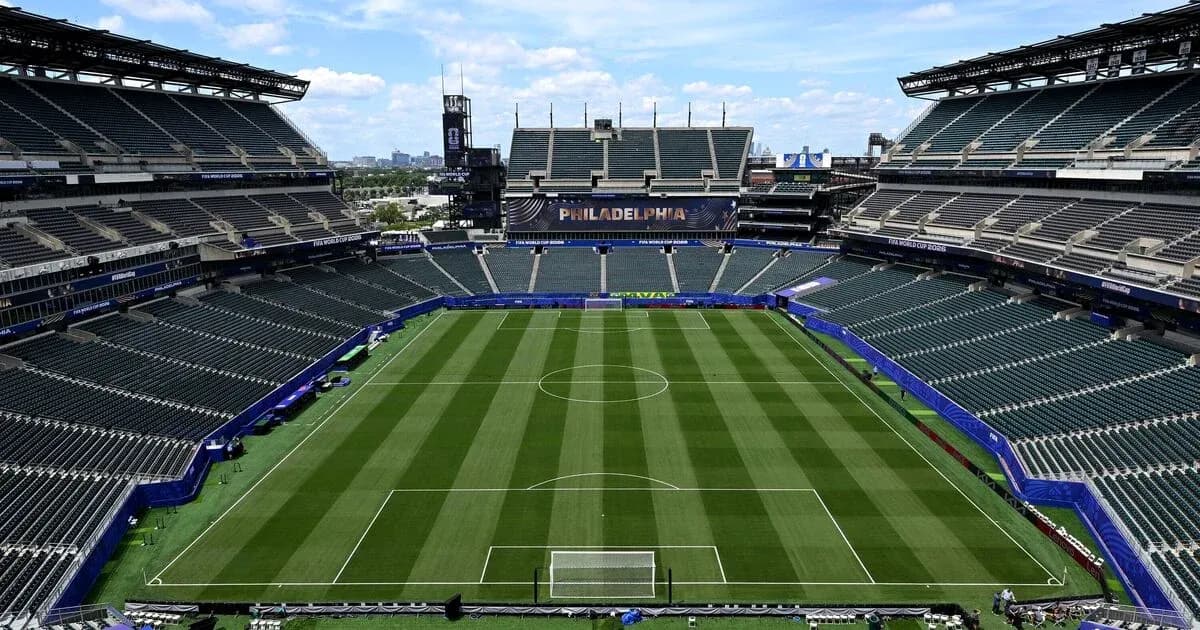
France’s late‑night meeting with Iraq in Philadelphia is walking a tightrope with the weather.
Forecasters in the city have warned of “apocalyptic” conditions, with several severe thunderstorms expected, bringing damaging winds, intense lightning and even a risk of isolated tornadoes. Under FIFA protocol, a single lightning strike within eight miles of the stadium would bring an immediate halt: players off, fans moved inside.
“They'll start to evacuate the stadium to the main concourse and seek emergency shelter,” explained Lauren Lambrugo, chief operating officer of Philadelphia Soccer 2026. “And then it has to wait 30 minutes prior to them bringing everybody back on the field.”
One flash in the wrong place, and a World Cup night could turn into a long, anxious wait in the concourses.
Salah drags Egypt into history
In Vancouver, Egypt finally stepped out of the shadows.
New Zealand led at half-time through Finn Surman, the defender climbing above his marker to crash in a textbook header from a corner. Egypt looked flat, their talisman Mohamed Salah limited to a curling free-kick that drifted wide. The script hinted at another World Cup disappointment.
Then the game flipped.
Egypt came flying out after the break. Ziko levelled just before the hour, reward for relentless pressure. From that moment, there was only one team in control.
Salah took over. A sharp one-two, a low finish, and his first goal of the tournament put Egypt in front and within touching distance of a first ever World Cup victory. Trezeguet’s late strike, finishing off another sweeping move, turned relief into release.
Full-time: New Zealand 1-3 Egypt. Joyous scenes, years of frustration finally shaken off. Footage later emerged of Salah in Vancouver’s streets, singing and dancing as Egypt’s players and fans celebrated a night they had waited generations to see.
New Zealand, still without a win in their World Cup history, must wait again.
Cape Verde keep punching above their weight
In Miami, Cape Verde’s debut campaign continued to defy expectation.
They stunned Uruguay first. Kevin Pina lit up the night with a thunderous free-kick from around 30 yards, a laser into the top corner that left Fernando Muslera grasping at air. Uruguay, rattled, needed a response and finally found one.
A ball into the box was headed against the post and bounced back to Araujo, who threw himself at it to nod in the equaliser. Cape Verde protested, pointing to a teammate down with cramp, but the referee waved play on. Moments later, Uruguay were in front, Araujo heading across goal for Canobbio to steer home from close range.
Uruguay had turned it around. They had the momentum. Then they handed it back.
A defensive mix-up dragged Muslera into no man’s land and substitute Helio Varela pounced, lashing into an empty net just three minutes after coming on. Uruguay 2-2 Cape Verde. Another historic result for the islanders, another inquest looming for Marcelo Bielsa.
The Uruguay coach confirmed a double injury blow: Giorgian de Arrascaeta and Ronald Araujo will miss the final group game against Spain and remain out until at least a potential round of 32 tie. Uruguay are far from certain to get that far. Lose to Spain, and if either Cape Verde or Saudi Arabia win, Bielsa’s side will likely fall short of the knockouts with only two points.
Cape Verde, by contrast, know that victory over Saudi Arabia would send them through. From outsiders to genuine contenders in the space of two games.
Spain hit stride, Yamal announces himself
Over in Atlanta, Spain looked every inch the European champions again.
After a stodgy 0-0 draw against Cape Verde in their opener, Luis de la Fuente restored Lamine Yamal to the starting XI. The effect was immediate.
Within minutes, Mikel Oyarzabal whipped a teasing ball across goal and Yamal, just where he needed to be, tapped home his first World Cup goal. The Barcelona prodigy later called it “special”, recalling how he watched the last World Cup in school. Now he is shaping this one.
Spain surged. Oyarzabal, poor in the opener, transformed here. He turned provider and scorer in quick succession, finishing tidily from close range for the second, then adding a third before the first drinks break. Saudi Arabia were overwhelmed.
After the interval, the contest drifted. Spain dropped a gear, the roof stayed closed, and the crowd even booed a hydration break that felt unnecessary in the conditions. Still, the scoreboard kept moving Spain’s way. Marc Cucurella’s shot deflected in off Hassan Al Tambakti for an own goal, the eighth of the tournament.
A late Ferran Torres effort was chalked off for offside after a lengthy VAR check, but it barely mattered. Spain 4-0 Saudi Arabia, a controlled dismantling that leaves the holders with one foot in the knockouts and their attacking rhythm restored.
Belgium and Iran serve up a stalemate
In Los Angeles, Belgium and Iran played out a goalless draw that did few favours for either side.
Iran thought they had landed the first blow when Mehdi Taremi finished smartly, only for VAR to intervene and rule the goal out for offside. That warning shot failed to jolt Belgium into life. The first half closed at 0-0, with quality in short supply.
The second period opened with chaos in the six-yard box as Belgium carved out a goalmouth scramble, three players swinging at the chance, Iran’s defenders somehow hacking clear. The game finally tilted when Nathan Ngoy hauled down Taremi just beyond halfway, denying a clear scoring opportunity. The referee went red, VAR backed the decision, and Belgium were down to ten.
Even with the extra man, Iran struggled to seize control. Roy Keane, on pundit duty for ITV, did not hold back, branding the game “rubbish” and lamenting the “so poor” standard of passing, movement and decision-making.
Full-time: Belgium 0-0 Iran. Two points from two games each, both now walking a tightrope heading into their final Group G fixtures: Belgium against New Zealand, Iran against buoyant Egypt.
Anthem boos and political fault lines
Iran’s matches continue to be played against a charged backdrop.
Their national anthem was booed again, with captain Alireza Jahanbakhsh choosing his words carefully afterwards. He stressed unity and a desire to “play for all the Iranians in Iran, outside Iran, with whatever ideology, whatever preferences they have,” insisting the team’s job is to “put our heart on the pitch” and make people happy.
Outside the stadiums, protests show no sign of fading. Iranian fans in Los Angeles have used the World Cup stage to call for political change, some insisting the national team does not represent them and demanding the fall of the Islamic Republic. For them, these nights are about far more than football.
England: fitness boosts, curfews and a flag turned away
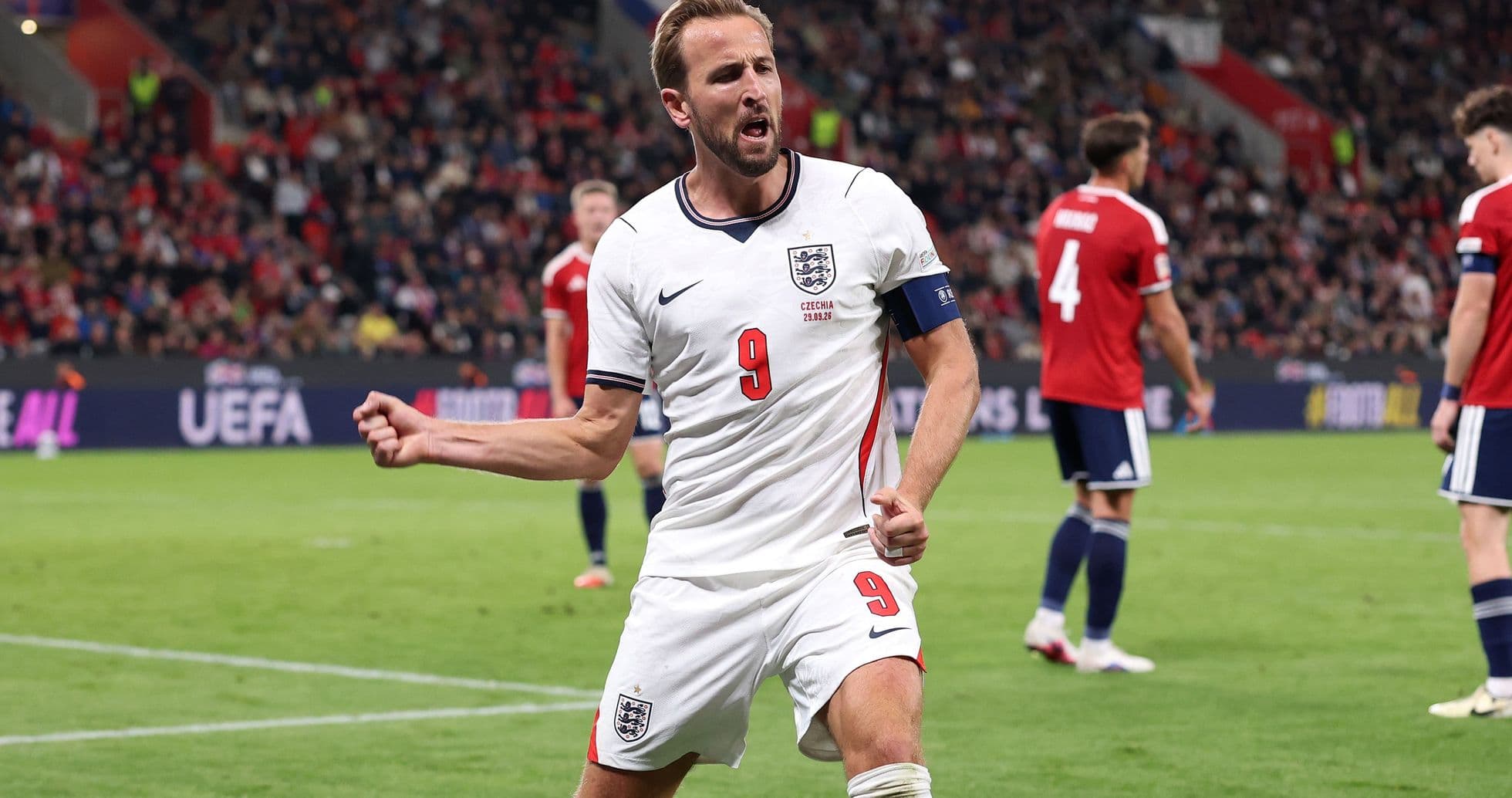
England’s camp, based in Kansas City and preparing for Tuesday’s meeting with Ghana in Boston, has its own mix of football and noise.
On the pitch, Thomas Tuchel received a major boost as Bukayo Saka trained fully after managing an Achilles issue with a tailored programme. The Arsenal winger, who played through the problem during the Premier League title run-in, is adamant he is fit and that the injury has not worsened. Tuchel had hinted he might not risk Saka until the final group game against Panama; now he has a real selection call to make.
Declan Rice remains a concern after hobbling off in the opener against Croatia, with England knowing a win over Ghana would secure a place in the knockouts and could be enough to top the group.
Off the pitch, Tuchel has imposed a strict curfew. Defender Dan Burn revealed that some players had to cut short a concert to get back in time, cowboy hats and boots hurriedly returned to base. England, it seems, will not be allowed to drift off schedule.
Their supporters hit a different kind of barrier. An England flag featuring a submarine was refused entry for the Croatia game under FIFA rules banning military imagery on flags. Barrow FC, whose nickname is “The Bluebirds” but who play at Holker Street near the town’s submarine heritage, responded with a tongue-in-cheek social media post blurring out the submarine. The message from FIFA, though, was clear: no military symbols inside World Cup stadiums.
England fans have already begun to arrive in Boston, wondering if their team can match the noise and colour Scotland brought to the city earlier in the tournament. The stage is set. The rules are tighter.
Doku debate splits opinion
One of the day’s most heated talking points centred on Belgium winger Jeremy Doku.
The Manchester City forward missed the Iran match with a chest infection, according to Belgian outlet RTBF. His absence comes in the middle of a storm over his wish to leave the World Cup early for the birth of his first child in the second week of July.
Doku has been open about his dilemma. “It's my first child, so I would definitely want to be there,” he said. He acknowledged the competing demands of football and family, adding that he knows the federation understands players’ situations and that “we'll see what we can do.”
Not everyone reacted with empathy. French presenter France Pierron launched a fierce on-air attack, calling the birth of a child “a disgusting moment” and describing the father as “useless… just an extra,” arguing that leaving a World Cup camp would mean walking away from a once-in-a-lifetime privilege. She has since apologised and been suspended, according to reports in France.
Within the game, the mood is different. England striker Ollie Watkins, himself a father of two, backed Doku’s stance without hesitation.
“It only happens once, your first child,” he said. “Welcoming them into the world is a blessing, and you don't get that opportunity (again). There are a lot of times when you're away from family and friends during the season, and it's a very difficult period, so to miss that would be tough. I don't think it's anyone else's business. If he goes back and does that, that's fair enough.”
It is a clash between the old demands of absolute sacrifice and a newer insistence that even elite players are allowed to be human.
Brazil’s respect, Scotland’s opportunity
Elsewhere in Group C, Brazil midfielder Lucas Paqueta made a point of talking up Scotland before their meeting.
“All the teams at the World Cup deserve respect,” he said, stressing that Brazil have “great respect for Scotland” and will still go out to win despite knowing a draw is enough to reach the round of 32. His message was simple: study every opponent, follow the coach’s plan, and aim for victory regardless of the table.
It sounds like standard pre-match diplomacy, yet Scotland know this is a window. A draw would suit both sides, but Paqueta’s words suggest Brazil will not cruise through the night.
A tournament braced for its next twist
From lightning protocols in Philadelphia to political chants in Los Angeles, from Cape Verde’s fearless charge to Egypt’s long-awaited breakthrough, this World Cup keeps straining at the edges of the script.
The group stage is reaching the point where every mistake is magnified, every storm cloud feels ominous, every decision to stay or leave a camp becomes a national talking point.
Spain have found their spark. Uruguay are wobbling. England are juggling injuries, discipline and flag rules. France are staring at the radar.
The knockout rounds are coming. The only question now is which of these stories will still be alive when they arrive.