.svg&w=384&q=75 "Naijagoal logo")

World Cup Finale: Messi, Mbappé and the Clash of Eras
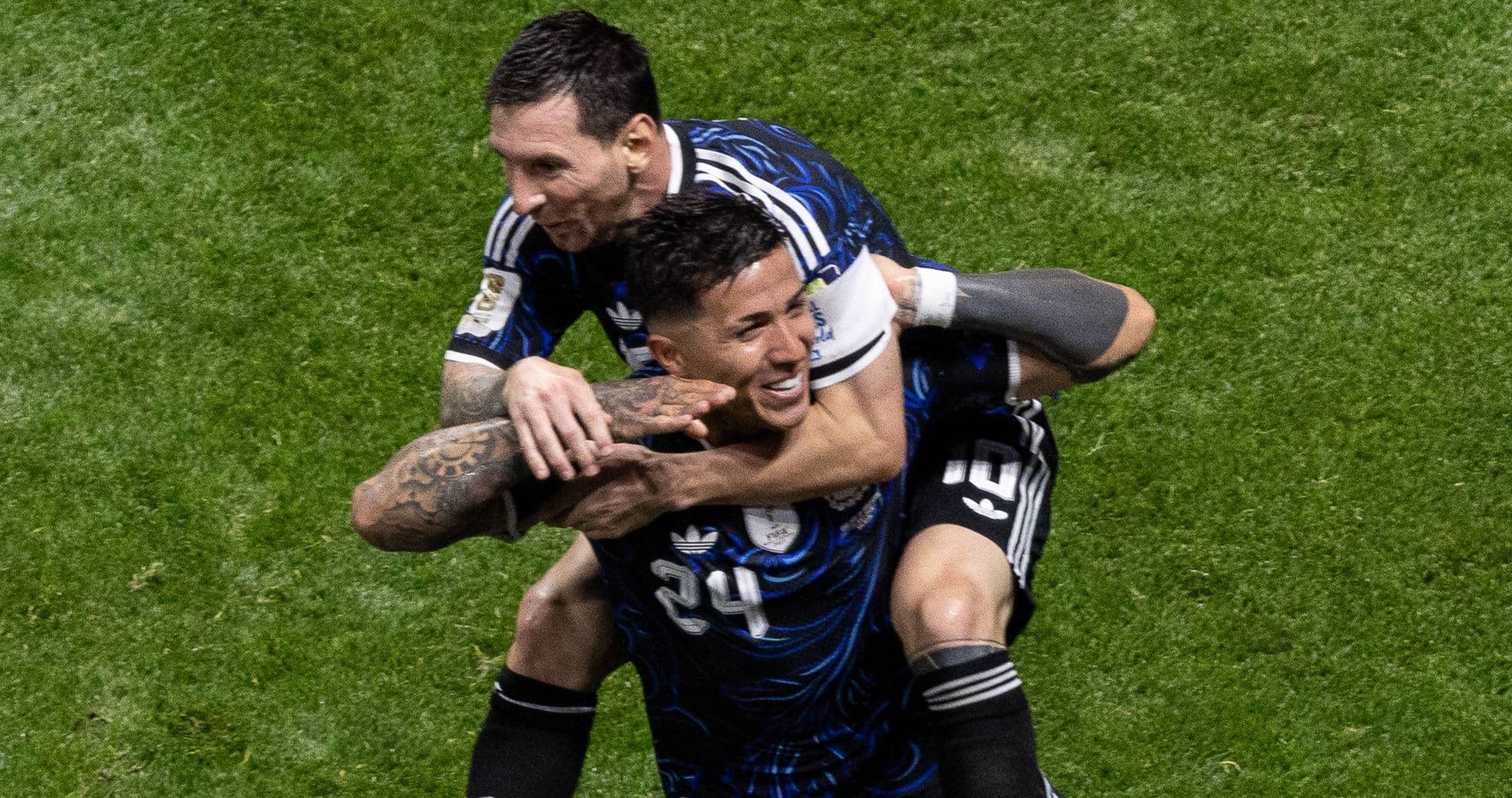
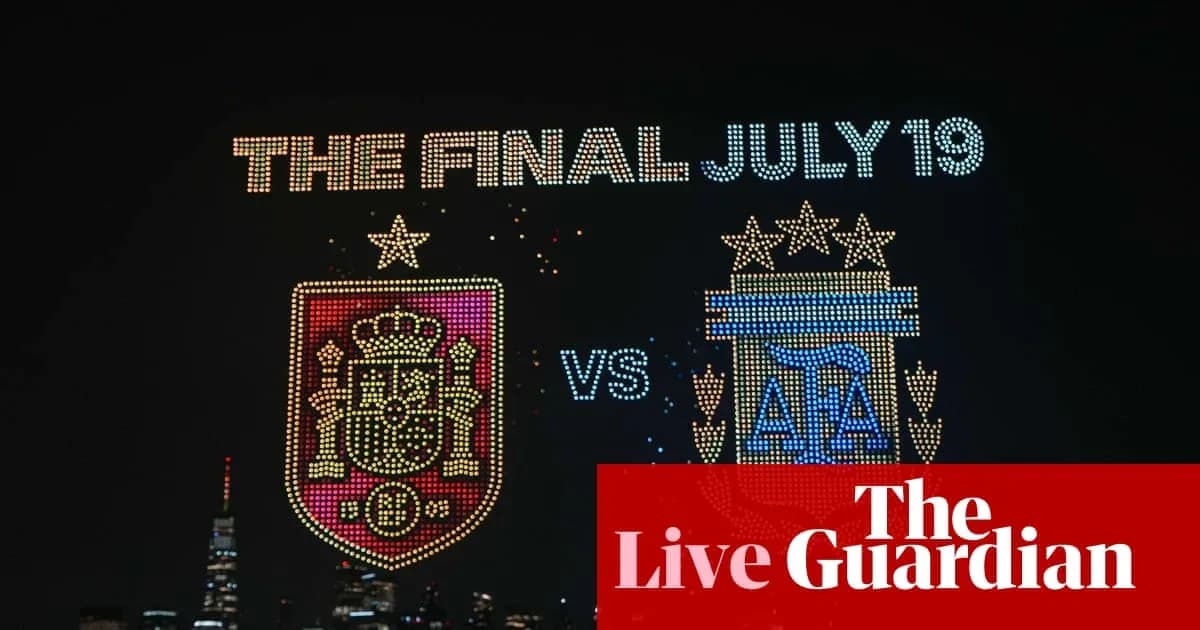
The World Cup is winding towards its climax, but the game refuses to quieten. On Sunday, Spain and Argentina will walk out for the final in New Jersey, Lionel Messi staring down Lamine Yamal in a meeting of eras. Around them, the sport whirs on: politics, presidents, power plays and the small matter of England’s latest inquest.
This is what the last days of a tournament feel like. The football narrows to one game. Everything else explodes.
Messi, Mbappé and the Golden Boot debate
Kylian Mbappé and Lionel Messi are locked together on goals at this World Cup, split only by the Argentine’s extra assist in the Golden Boot race. It has sparked an oddly modern argument: should goals in the final count more than those in the third-place game?
On one side, the purists – a goal is a goal, whether it’s for bronze or for the trophy. On the other, those who insist that a strike in a World Cup final, under that weight and glare, should mean more than padding a tally in a consolation match.
The numbers will say one thing. The memories, as always, will say another.
Rodri’s renaissance and a Manchester City subplot
Away from the headline acts, Rodri has quietly owned this tournament. Once there were fears that his ACL injury might blunt him permanently, that he might never quite trust his body again. Those doubts have been shredded.
He has moved through this World Cup with the authority of a player who has rebuilt himself, step by careful step, into a dominant midfielder again. Every tackle, every press, every passing lane closed has looked like a small personal victory as much as a collective one.
There is a twist lurking here. The sense grows that this might have been his last World Cup as a Manchester City player. The suspicion is mild for now, but it hangs there, waiting for the transfer window to answer it.
England’s autopsy and Tuchel’s tightrope
Back home, England are still trapped in their familiar post-defeat ritual. The semi-final exit has triggered the usual avalanche of analysis, but this time Thomas Tuchel sits squarely in the crosshairs.
His substitutions were hailed as game-changers earlier in the tournament. They flipped matches, altered rhythms, turned jeopardy into survival. But that praise came with a sting: if the bench constantly saves you, what does that say about the starting XI?
By the time England fell, the pattern felt damning. Tuchel’s changes against Norway baffled many, and the semi-final only deepened the sense of tactical confusion. Yet he stays in the job. The players, we are told, were bemused by some of the decisions that helped send them home. The debate now moves from lineups to something more structural: what, exactly, is this England team trying to be?
There is still a third-place match to navigate, that strange halfway house between duty and disinterest. The sensible route? Share the load. A half each for the goalkeepers, minutes for Ollie Watkins and Ivan Toney, a proper run for Kobbie Mainoo. If the bronze medal game can’t offer glory, it can at least offer opportunity.
Power at the top: Infantino, endorsements and unrest
While the players fight for medals, the real power in football sits in boardrooms and congress halls. Gianni Infantino, despite the storms swirling around FIFA, is cruising towards a fourth term as president.
More than 200 of FIFA’s 211 member associations have formally endorsed him for re-election. Only a handful holdouts remain, with a small cluster of European FAs yet to send their backing. Germany stands out as the biggest name among the dissenters.
This comes against the backdrop of discontent sparked by the scandal surrounding Folarin Balogun’s reprieve from suspension. The unrest has done little to shift the numbers. Football has survived Blatter, Warner, Blazer. It will survive Infantino too. The machine rolls on.
Politics in the stands: presidents and prime ministers
The final in New Jersey will be more than a football match. It will be a stage.
Spanish prime minister Pedro Sánchez will be there to watch his country chase the trophy, before heading on to Algeria for an official visit. On the other side of the political divide, Donald Trump is also expected in the stadium. The White House has confirmed the president’s attendance, calling the game a fitting showcase of America’s ability to host the world.
The stands, then, will hold as much symbolism as the pitch. The World Cup remains football’s greatest diplomatic theatre.
Argentina, identity and the edge of Romero
On the grass, Argentina arrive with a familiar ferocity. For La Albiceleste, the shirt still transforms players. Cristian Romero is the perfect example. At club level he is a rugged, front-foot defender; for his country he becomes something even more primal.
Alongside Lisandro Martínez, Romero has been the hard edge of this team, often the last barrier between an attacker and Emiliano Martínez. Every duel contested, every yard chased, has fed into a campaign where only Messi and the goalkeeper can claim to have matched his consistency.
This is Argentina’s third World Cup final in four tournaments. Their identity has hardened with each run: technical, yes, but also relentlessly combative. Eleven players, one cause, no inch surrendered.
The Madrid reset: Alexander-Arnold and Mourinho
While the national teams scrap for a final flourish, club football is already reshaping itself. At Real Madrid, Trent Alexander-Arnold is starting again.
His first season in Spain was fractured: injuries, rotation, a fight to nail down a starting place. Now, with Dani Carvajal gone, the right-back berth is open and waiting. Alexander-Arnold, 27 and finally fit, senses the chance.
He has spoken of his admiration for José Mourinho, who returned to Madrid in June for a second spell after a flat campaign that saw the club miss out on LaLiga and fall in the Champions League quarter-finals. Training, he says, is intense. The demands are high. The principles are clear. The message from the dressing room is simple: they believe Mourinho can teach them, push them, drag them back towards trophies.
For Alexander-Arnold, this is a reset. A solid pre-season, a defined role, and a coach whose standards leave no hiding place. The audition to become Madrid’s undisputed first-choice right-back starts now.
Old reports, new chaos and the game’s enduring theatre
Football has a way of folding its past into its present. A glance back to a 1966 match report from Villa Park tells of an Argentina side “discarding traditional defensive methods” and attacking from the first whistle, beating Spain through two goals from Artime. Different era, same colours, same sense of drama.
The chaos is not confined to the top. In Malta, Faroese side NSÍ Runavík dumped out Ħamrun Spartans with a 94th-minute penalty so contentious that police had to intervene as tempers flared and a red card flew. From World Cups to early-round European qualifiers, the sport always finds a way to boil over.
Even the media circus around it all is shifting. In the United States, Fox’s World Cup coverage is preparing to sign off with its own cast of characters bowing out – sideline voices, studio raconteurs, and the more outlandish flourishes that have coloured the American broadcast of the tournament.
Life after the final
For now, though, the focus narrows back to Sunday. Messi against Spain’s next great generation. Mbappé chasing numbers. Romero patrolling the back line. Presidents in the stands. Infantino counting votes. Tuchel bracing for another week of questions.
In a few days, the late nights and early alarms will stop. The World Cup will hand the stage back to the club game, to South American leagues and MLS, to Champions League qualifiers and domestic grinds.
The last act is coming. The only question left is who writes their name across it.