.svg&w=384&q=75 "Naijagoal logo")

Walid Ouahbi Reflects on Controversial Goal in Morocco's Match Against France
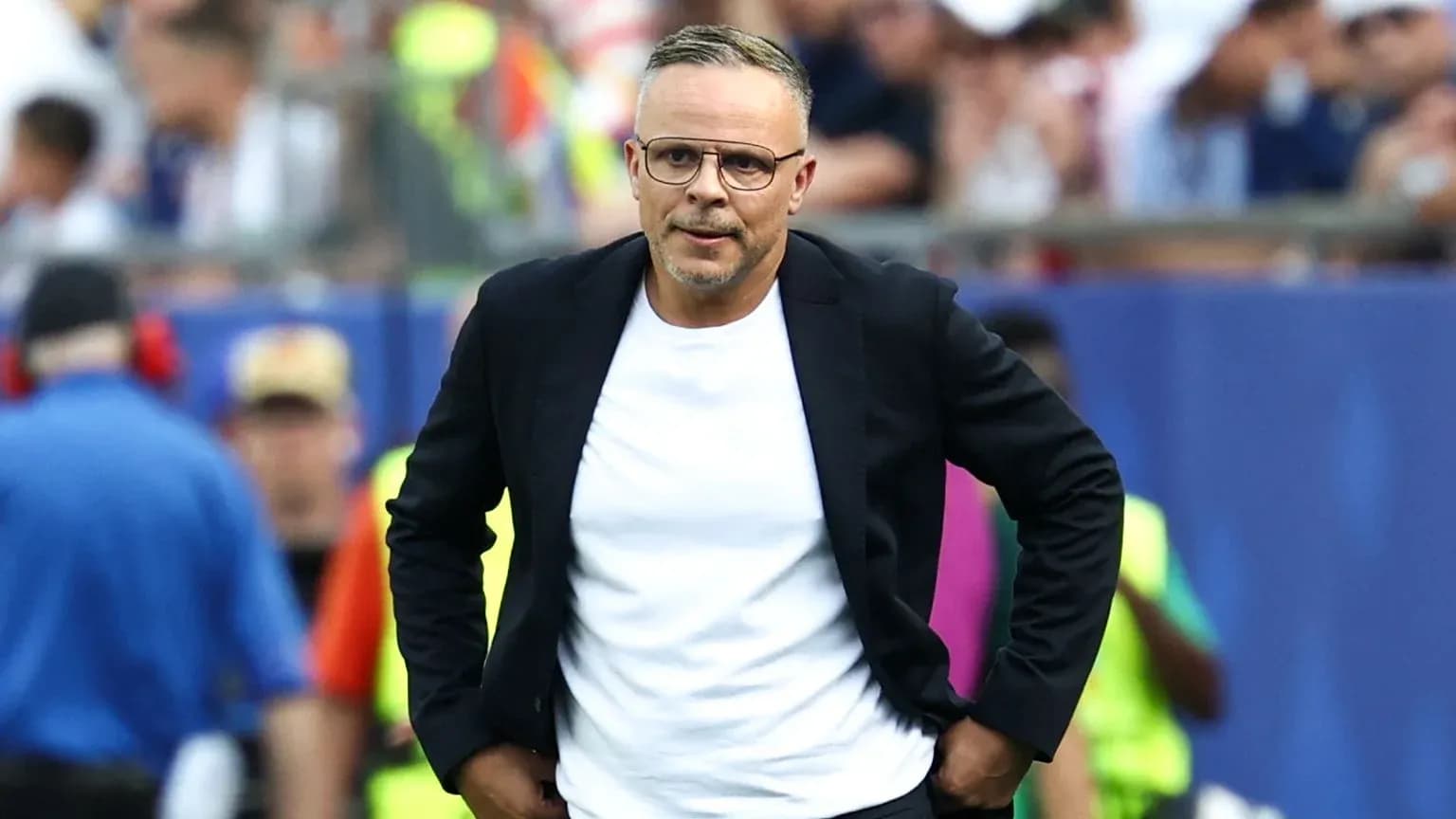
Walid Ouahbi left the pitch with the look of a man who felt the night had turned on a single decision.
The Morocco coach was still replaying France’s opening goal in his mind as he faced the cameras, and his frustration was aimed squarely at referee Facundo Tello. In his view, the move should never have been allowed to develop.
Ouahbi argued that Adrien Rabiot had handled the ball in the build-up, before Kylian Mbappé pounced and lashed it past Yassine Bounou. The moment changed the tone of the game, and the Moroccan bench knew it.
“The goal came from a bit of a… shared ball, some people stopped because they saw a handball,” he told beIN Sports, underlining the confusion on the pitch as players hesitated, expecting a whistle. “It was a handball, I don’t know if it should have been called or not, I don’t know.”
That line summed up his mood: anger at the incident, but a refusal to turn the night into a pure refereeing rant.
Ouahbi did not hide behind the controversy. He quickly shifted the focus to France’s quality and his own team’s shortcomings in a first half where Morocco struggled to breathe, let alone build.
“We have to admit that we played against a very good team,” the 49-year-old said. “We suffered a lot in the first half, and Bounou made a great save on the penalty.”
France’s dominance before the break forced Morocco deep, their attacks breaking down too quickly, their passes rushed. Some players, Ouahbi admitted, looked spent almost from the opening whistle.
“In the first half, it seemed like some players were catching their breath,” he said.
The response after the interval, though, gave him something to cling to. Morocco tightened up at the back, kept the ball with greater calm and began to look like a side capable of trading passes rather than just trading tackles.
“In the second half, we defended better and, above all, we were more composed with the ball. We were much better,” Ouahbi noted. “We saw that these same players started the second half well.”
The late stages were a grind. France pushed, Morocco chased, and the clock became an enemy. The equaliser never came. The sense of a chance missed lingered.
“It was tough at the end,” Ouahbi admitted, the disappointment obvious. Yet even as he spoke of frustration, he laid out a plan rather than a lament.
“I believe we must continue to believe, to work,” he said. “We must also continue to work on the basics, ensuring that when there are injuries, players who are less fresh, we can have a larger pool of players.”
Depth, freshness, competition for places – that is where he sees Morocco’s next step. Not just in the starting XI, but in the squad beneath it.
“We will continue, we will not stop here,” he insisted. “We are very disappointed, we wanted more, but we have to accept it.”
The grievance over the handball will fade. The demand he has just set for his players will not.