.svg&w=384&q=75 "Naijagoal logo")
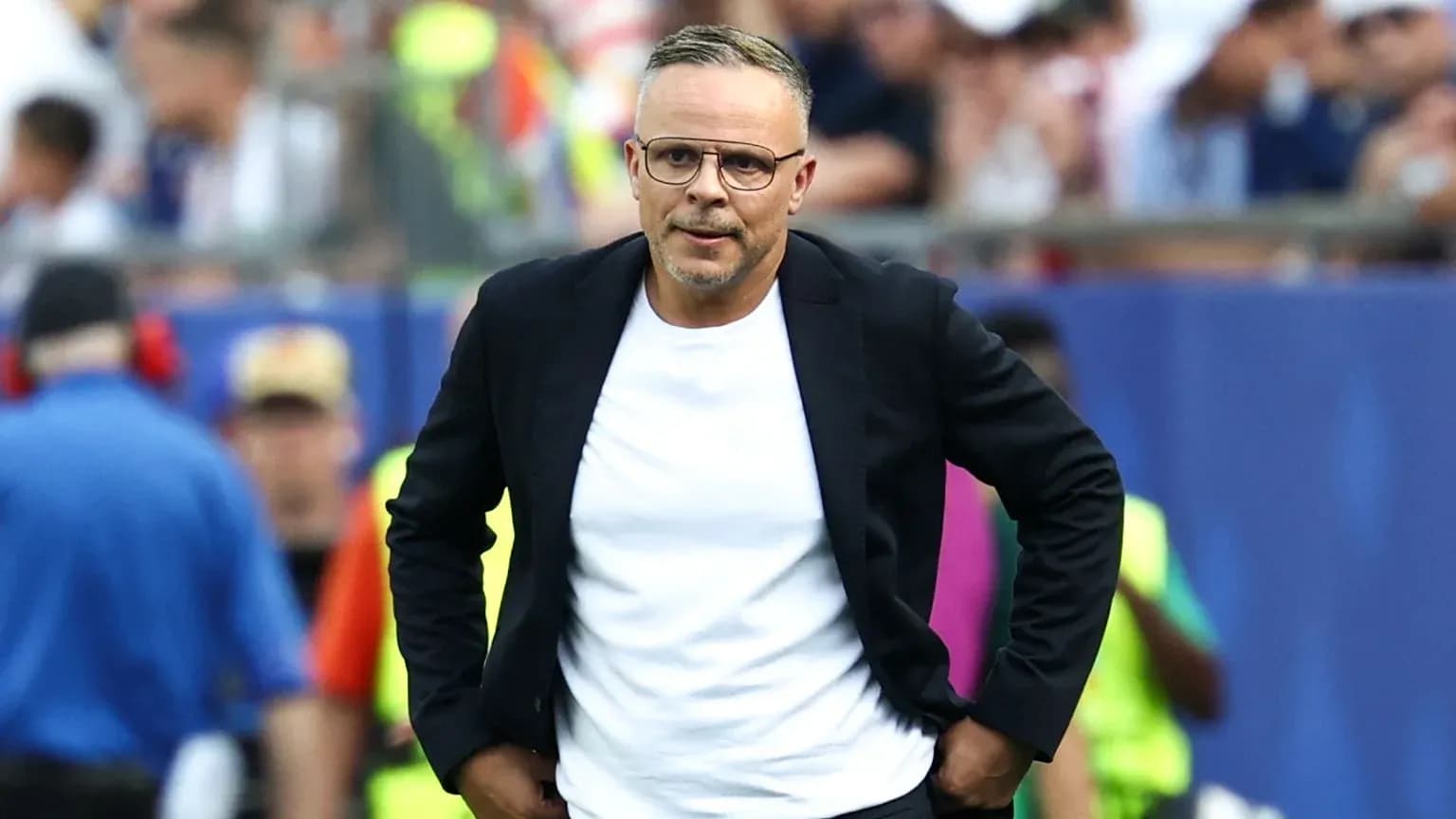

Walid Ouahbi's Frustration and Pride After Morocco's Loss to France
Walid Ouahbi walked off the pitch with a familiar mix of frustration and pride – and a very clear grievance.
The Morocco coach was left incensed by France’s opening goal, pointing the finger at referee Facundo Tello for allowing it to stand after what he was convinced was a handball by Adrien Rabiot in the build-up, before Kylian Mbappé pounced and lashed the ball past Yassine Bounou.
Ouahbi claimed Rabiot had “actively handled” the ball, and his players reacted in real time, some hesitating as they waited for a whistle that never came. Speaking to beIN Sports, he described the moment as “a bit of a... shared ball”, explaining that several Moroccan players stopped because they thought the handball would be given.
“It was a handball,” he said. “I don’t know if it should have been called or not, I don’t know.”
The irritation was obvious, the sense of injustice just beneath the surface. Yet he refused to let the controversy dominate his assessment of the night.
Ouahbi quickly turned the spotlight on France’s quality, acknowledging that his side had been stretched to their limits before the break. Morocco suffered badly in the first half, pinned back and relying on Bounou, who produced a crucial save from the penalty spot to keep them alive.
“We have to admit that we played against a very good team,” the 49-year-old said. “We suffered a lot in the first half, and Bounou made a great save on the penalty.”
That save seemed to jolt Morocco into life. After the interval, the game’s rhythm changed. The same players who had been gasping for air in the first half suddenly looked sharper, braver, more assured with the ball.
“In the second half, we defended better and, above all, we were more composed with the ball,” Ouahbi noted. “We were much better. In the first half, it seemed like some players were catching their breath. We saw that these same players started the second half well.”
France still pushed. Morocco still bent. They did not break. The closing stages were a grind, a test of legs and nerve as fatigue crept in and spaces opened up.
“It was tough at the end,” Ouahbi admitted.
Yet even in disappointment, he circled back to the bigger picture. This, for him, was not a dead end but a checkpoint. The coach spoke of belief, of work, and of a squad that must grow in depth if Morocco are to withstand injuries and dips in freshness without losing their edge.
“We must continue to believe, to work,” he said. “We must also continue to work on the basics, ensuring that when there are injuries, players who are less fresh, we can have a larger pool of players. We will continue, we will not stop here. We are very disappointed, we wanted more, but we have to accept it.”
The anger at the decision will linger. So will the sense that Morocco are edging closer to where they want to be – if they can turn nights like this from hard lessons into defining steps forward.