.svg&w=384&q=75 "Naijagoal logo")

Ronaldo's Goal Chase and the Future of the Saudi Pro League
Cristiano Ronaldo is still here. Mohamed Salah is not.
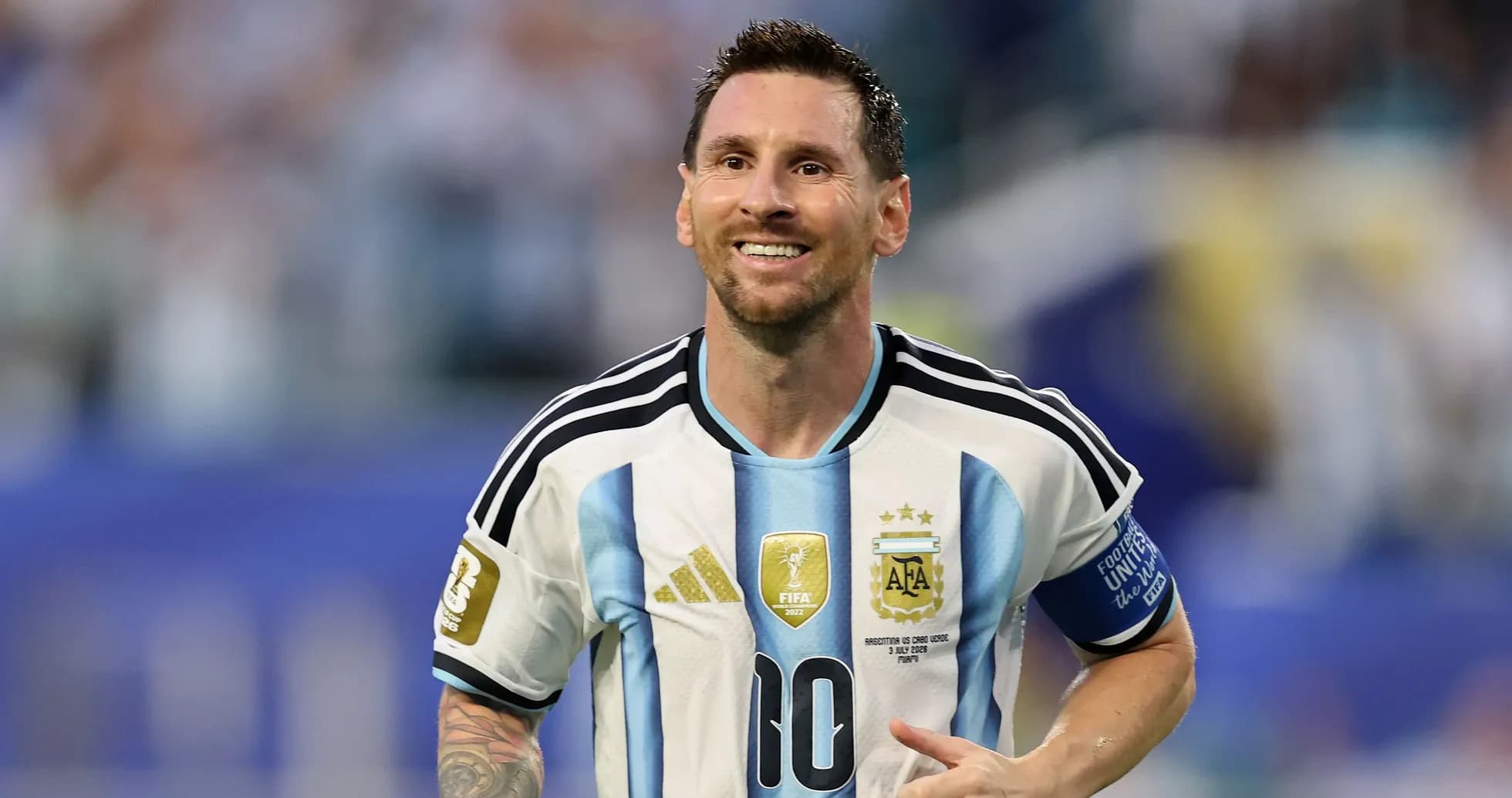
The new Saudi Pro League season kicks off on Thursday without the Liverpool legend many expected to see on the Red Sea, but with a 41-year-old chasing a number that barely seems real. Ronaldo is 24 goals short of 1,000 in his career. He has already hit 102 in 107 league games for Al-Nassr. On current form, that landmark is not a fantasy. It is a likely headline waiting to be written before this campaign is out.
What that means for the league’s wider project is a more complicated story.
From shopping spree to soul-searching
This is year four of Saudi Arabia’s grand football experiment, the cycle that truly ignited with that $957m splurge in the summer of 2023. That window brought a wave of global attention: thousands of articles, a raft of international TV deals, and CR7 shirts popping up in cities far from Riyadh.
The novelty has faded. The bill has not. Now the question inside the kingdom is less “Who can we sign?” and more “What are we actually building?”
The early answer from the national team has been sobering. A World Cup group-stage exit prompted plenty of angst at home. Later results softened the anger a little – draws against Uruguay and an impressive Cape Verde, plus a single defeat to eventual champions Spain, hardly amounted to humiliation – but one issue refused to go away: had the money poured into the league actually improved Saudi players?
So far, the evidence says no.
The Pro League does not yet export talent to Europe in any meaningful way. Of the 26-man World Cup squad, only right-back Saud Abdulhamid, now at Lens, plays abroad. That statistic alarms officials and coaches alike. It feeds into a second concern: too many homegrown players sit on the bench while high-profile imports dominate the creative, goalscoring and goalkeeping roles.
The spending has undeniably raised the level of club sides. Saudi teams have grown stronger in Asian competitions. The national team, though, is still waiting for its payoff.
Salah stays away, the strategy shifts
Against that backdrop, the absence of Salah takes on a different tone. For months, many assumed he would eventually choose the Saudi Pro League over a move to Trabzonspor on the Black Sea. The lure of the biggest name in Arab football seemed obvious.
Yet the full-blooded push for the 34-year-old never quite materialised. Even if Salah did seriously weigh up Saudi Arabia – something only he and his camp truly know – the league’s priorities have been drifting elsewhere.
The new model is clear: younger, sellable assets who can be polished in Riyadh or Jeddah, then flipped back to Europe for a fee. Icons in their mid-30s still move the needle, but they no longer define the strategy.
Which is where Crysencio Summerville comes in.
Summerville, Hilal and the demand for domination
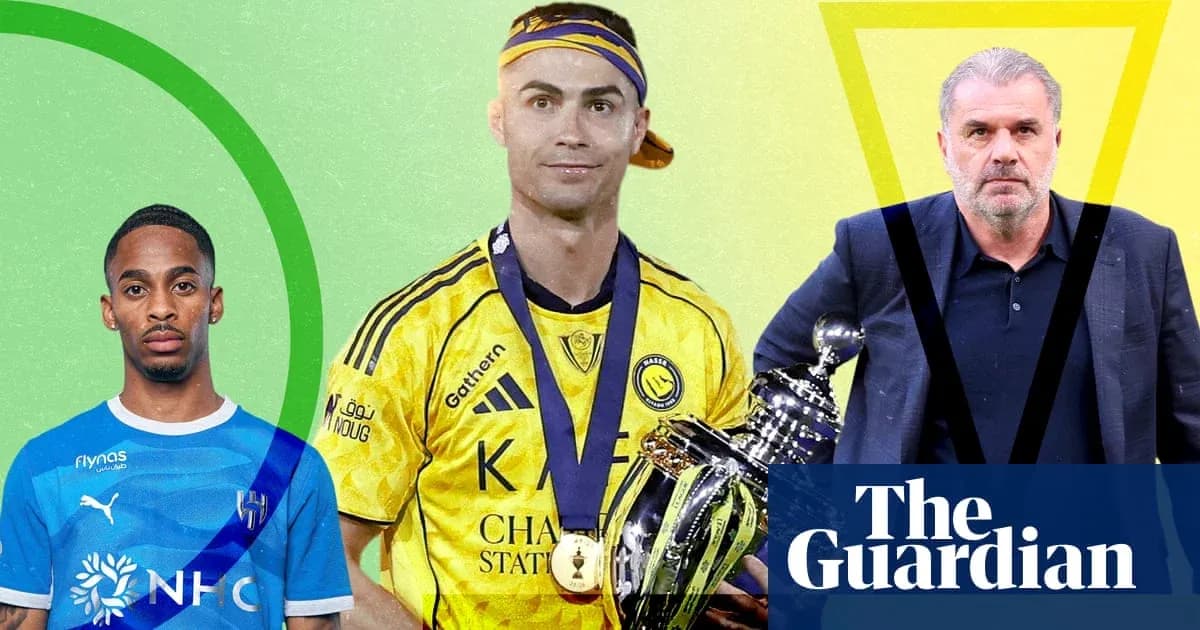
So far, the marquee signing of the summer is the 24-year-old Dutch winger, snapped up by Al-Hilal for around €80m. On paper, he is the prototype of the new Saudi recruit: entering his prime, with time to develop, and with potential resale value if a major European club comes calling again.
Summerville’s choice has drawn the usual accusations of chasing money over ambition. Those who know Al-Hilal’s history scoff at that. Ambition is stitched into the club’s fabric. Nineteen league titles, four Asian crowns, and a fanbase that views second place as failure – even when the team goes unbeaten across an entire season.
The Blues have undergone a structural change off the pitch, sold by the Public Investment Fund in April, but the squad remains stacked. Karim Benzema, Rúben Neves, Theo Hernández, Yassine Bounou, Kalidou Koulibaly and others form the spine of a group that expects to reclaim the title from the yellow half of Riyadh.
All of that piles the pressure on Simone Inzaghi. The Italian has inherited a superclub that does not tolerate excuses. With Summerville adding fresh thrust out wide, anything less than wrestling the trophy back from Al-Nassr will be viewed as a failure.
Ronaldo, Postecoglou and the weight of expectation
Al-Nassr, of course, arrive as champions. Ronaldo hoisted the trophy in May, then watched Jorge Jesus depart soon after to take charge of Portugal. The club turned to Ange Postecoglou, a manager whose attacking principles lit up Celtic and Tottenham Hotspur.
Postecoglou does not lack firepower. Sadio Mané, Kingsley Coman and João Félix give him a front line that would not look out of place in the Champions League. The problem lies deeper in the balance sheet. Financial constraints have limited new arrivals so far, leaving the Australian to work more with refinement than revolution.
That does not dilute expectations. The league title must be defended. An Asian Champions League crown, still missing from Al-Nassr’s honours list, would be a powerful statement that this project is about more than Ronaldo’s numbers and social media metrics.
Al-Ahli rocked, Al-Ittihad reset
The current Asian champions, Al-Ahli, had different plans. After securing a second straight continental title in April, they set their sights on the domestic stage. A first Saudi Pro League crown since 1984 felt like a realistic next step.
Then, days before the new campaign, the ground shifted. Head coach Matthias Jaissle left for Newcastle United. On paper, the move made sense: both clubs sit under the Public Investment Fund umbrella. On the streets of Jeddah, it landed badly. Supporters saw a coach who had just delivered Asia’s biggest prize plucked away on the eve of a season in which they were supposed to rule at home.
The response did little to lift the mood. The appointment of Marino Pusic, formerly Arne Slot’s assistant, hardly set pulses racing. Competent? Probably. Box-office? Not yet.
Jaissle’s exit also rippled across the city. At Al-Ittihad, who endured a difficult previous campaign, his success had shaped their own thinking. Just before his departure to England, they mirrored Al-Ahli by hiring a young German coach with a playing career cut short by injury and a background at RB Salzburg: 38-year-old Jens Wissing.
Wissing inherits a giant with a bruised ego and a fanbase demanding a reset. The parallels with Jaissle’s rise are obvious. Replicating his impact will be far harder.
Rodgers, Al-Qadsiah and the rise of a “big five”
Lurking just behind the traditional heavyweights are Al-Qadsiah. Backed by Aramco and guided by Brendan Rodgers, they quietly muscled their way into fourth last season. Now the target is bolder: improve on that finish and deliver a first trophy since 1984.
Do that, and the league’s landscape changes again. The Saudi Pro League would have a genuine “big five”, a cluster of clubs with the financial power and competitive edge to trade titles and continental runs.
That raises a new challenge. As the top end grows richer and stronger, the temptation will be to keep importing established stars, to reach again for the next Salah or the next fading icon from Europe’s elite.
Yet the long-term health of Saudi football may hinge on a different choice. Give more minutes to local players. Trust them in key positions. Turn the league into a platform that develops and exports, not just a destination that buys and showcases.
Ronaldo’s pursuit of 1,000 goals will dominate plenty of nights this season. The real test is whether, when the dust settles, Saudi Arabia has built more than a stage for one last act.