.svg&w=384&q=75 "Naijagoal logo")
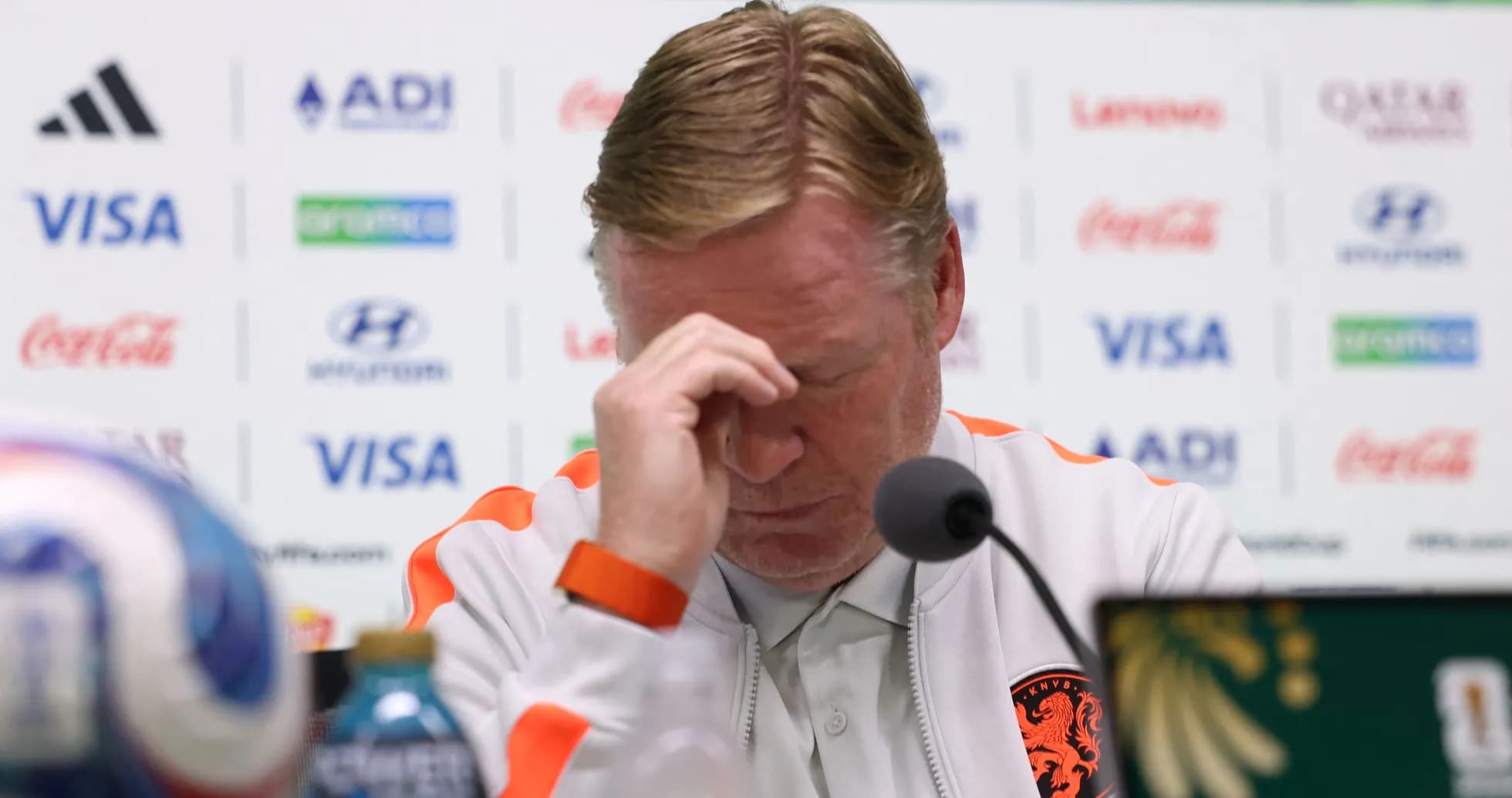

Ronald Koeman Steps Down as Netherlands Head Coach
Ronald Koeman has never been afraid of big decisions. As a player, he struck them from 30 yards. As a coach, he has taken them from the dugout. This time, the call came late at night and cut far deeper than tactics or selection.
The 63-year-old has stepped down as head coach of the Netherlands and, in a strikingly candid message, admitted he may be walking away from management altogether as family health issues pull his life in a different direction.
A World Cup dream that slipped away
Koeman confirmed his decision on Instagram, explaining that his tenure with the Oranje ended the night before. The dream had been clear: guide the Netherlands to a world title and etch his name into history from the technical area, just as he once did on the pitch.
“We all shared the dream of making history at this World Cup, but we fell short,” he wrote. The responsibility, he stressed, rests squarely on his shoulders. No excuses, no deflection. Just a coach owning the failure to turn potential into the ultimate prize.
He leaves with disappointment, but not bitterness. The tone of his message carried more reflection than regret.
Football, family and a brutal perspective shift
The real weight of Koeman’s announcement lay away from the scoreboard. He spoke openly about the last few years reshaping his outlook, about the sharp reminder that there are “more important things than football.”
Football has been his life. Titles, finals, pressure, expectation – all of it. But health, he said, is “priceless.” When someone close is fighting a serious illness, the game changes. So does a man’s sense of purpose.
At the heart of that shift is his wife, Bartina. Koeman described how she has been battling her own illness while still urging him on, pushing him to finish his work with the national team. Her resilience, he said, showed “incredible strength,” and his gratitude to her runs deeper than he “could ever put into words.”
That line alone made his decision feel less like a professional step and more like a personal turning point. The touchline, for now, must give way to home.
A coach’s farewell to his dressing room and beyond
Koeman’s message moved through the familiar rituals of a farewell, but there was nothing hollow about it. He thanked the players first – the ones he “had the pleasure to work with,” whose effort, character and belief drove him every day.
He then turned to his staff, the KNVB, the people behind the scenes, and the clubs that released their players and allowed him to build a squad in his image. It was a nod to the machinery that keeps a national team moving, and to those who rarely get the spotlight when a coach stands in front of a camera.
And then came the supporters. He reserved special appreciation for fans who stayed with the team “even in times when it was difficult.” For a man who has lived through the full cycle of Dutch expectation – from total football to total scrutiny – that acknowledgement carried weight. Representing the Netherlands, he said, was “a great honor.”
Pride, not a fairytale ending
Koeman admitted he leaves with “mixed feelings.” Of course he would have preferred to walk away as a world champion, the Oranje crest glinting under a winner’s medal. That dream “remained unfulfilled.”
Yet pride, he insisted, “prevails.” Pride in what football has given him. Pride in the people he has met. Pride in turning a childhood passion into a lifelong profession at the very top of the game.
He closed by thanking those who have shaped that journey – for the trust, the criticism, the support, the disappointments and the successes. All of it. The full, unsanitised reality of a life in elite football.
Koeman may never patrol a dugout again. He might. Right now, the man who once settled European finals with a swing of his right foot has chosen a different kind of battle, one fought far from the roar of a stadium. And that, as he made clear, is the only result that truly matters.