.svg&w=384&q=75 "Naijagoal logo")

Real Madrid's Midfield Rebuild After Rodri's Departure
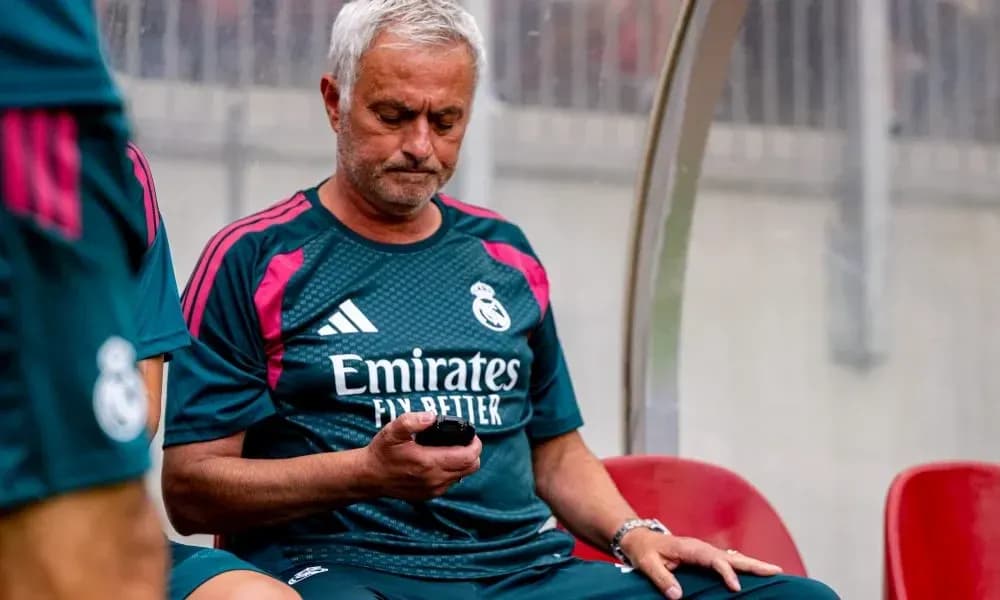
Real Madrid’s summer plan had a clear headline: bring in Rodri from Manchester City and hand Jose Mourinho the ideal anchor for his new midfield. The pursuit dragged on, but the answer from the player’s side was blunt. If he leaves Manchester, his priority is Barcelona.
The consequence in Madrid is just as clear. Rodri is off the table, at least for this window, and Mourinho has to redraw his blueprint without the 30-year-old he had ringed in red.
Mourinho’s 4-2-3-1, minus the anchor
Mourinho has settled on a 4-2-3-1. Jude Bellingham owns the No. 10 role behind the striker after a World Cup that pushed him into the game’s elite. That spot is not up for debate.
Everything behind him is.
The two deeper midfield roles remain wide open, and without a Rodri-type holding midfielder, Mourinho’s task is less about picking the biggest names and more about engineering a structure that works over nine months.
Valverde the constant, Bernardo the wildcard
One name, though, feels nailed on. Federico Valverde has not only survived every tactical reshuffle in recent years; he has come out of this summer with the captain’s armband. The Uruguayan brings legs, aggression, and the kind of tactical discipline Mourinho has always trusted. Barring a shock, he will be one of the two in front of the defence.
Next to him, a new idea has taken shape. Bernardo Silva, long seen as an advanced playmaker, has impressed Mourinho operating from deeper zones in pre-season. The Portuguese international has shown he can set the tempo, drop into build-up, and still offer creativity between the lines.
Without a pure destroyer like Rodri, Mourinho is prepared to lean on Bernardo’s intelligence rather than sheer physical presence. It is a gamble in terms of defensive security, but on paper, a Valverde–Bernardo axis offers control, press resistance, and quality on the ball.
Tchouameni and Camavinga at a crossroads
The door, though, is not closed behind them.
Aurelien Tchouameni, once earmarked as the long-term holding midfielder, is still working his way back after minor physical problems slowed his start to pre-season. When fully fit, he brings the profile closest to a traditional No. 6 in this squad. His challenge now is to convince Mourinho that he can be the reference point in a system that has already begun to function without a Rodri-type figure.
Eduardo Camavinga sits in a more uncertain place. He has started every friendly so far, yet his role remains blurred after an up-and-down campaign. The Frenchman’s versatility has often been a blessing and a curse, and his pre-season has not been dominant enough to force Mourinho’s hand. He is involved, but not yet indispensable.
For both Tchouameni and Camavinga, this season carries weight. They are young, highly rated, and expensive. They now need to prove they can be central pieces in a Mourinho midfield, not just rotation options.
Guler, Bellingham, and the No. 10 logjam
Higher up, Arda Guler has lit up pre-season. The Turkish international has been one of the standout performers, sharp between the lines and decisive in the final third. Mourinho, though, still views him primarily as a No. 10.
That is the problem. Bellingham is first choice in that role, and deservedly so. Guler’s form demands minutes, but unless Mourinho tweaks the shape or trusts him deeper, his path into the XI runs straight into the Englishman.
It is a luxury issue in terms of talent, but a real one in terms of balance.
A pathway opens for Thiago Pitarch
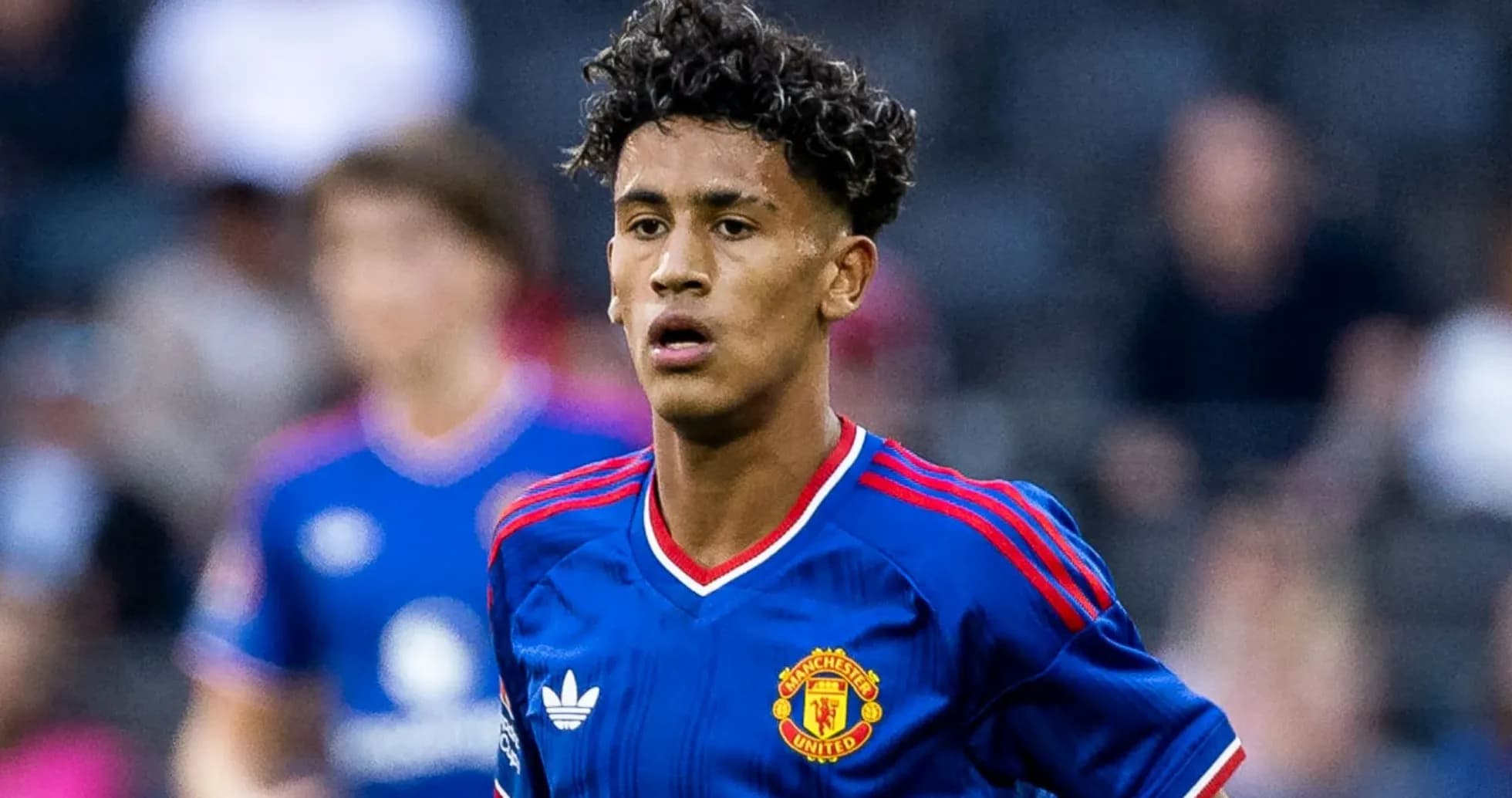
One unexpected beneficiary of the failed Rodri move is Thiago Pitarch. The young midfielder, still registered with Castilla, remains in Mourinho’s first-team plans.
He had been a genuine candidate to leave on loan this summer. Now, with no new defensive midfielder arriving, the club has effectively reopened the door for him. He will not be a starter, but he is in the room, and that is a significant shift for a Spanish breakout talent whose future looked uncertain only weeks ago.
The real task: balance, not names
For Mourinho, the central question is not simply, “Who are the best two midfielders?” It is, “Which pair gives this team the right balance?”
On paper, Valverde and Bernardo can run a game and suffocate opponents with intensity and quality. In practice, they will need help from the rest of the group, especially in transitions and defensive cover. That is where Tchouameni and Camavinga come back into the conversation, and where Pitarch’s minutes might matter more than expected.
Rodri’s absence has forced Madrid into a different kind of midfield rebuild—one based on internal solutions, flexibility, and risk. If Mourinho finds the right combination, the failed chase for City’s metronome will fade into the background.
If he doesn’t, every big game will ask the same question: who is really in charge of this midfield?