.svg&w=384&q=75 "Naijagoal logo")

RB Leipzig's Rebuild: Success on Paper but Pressure on Werner
The numbers say one thing. The mood in Leipzig says something very different.
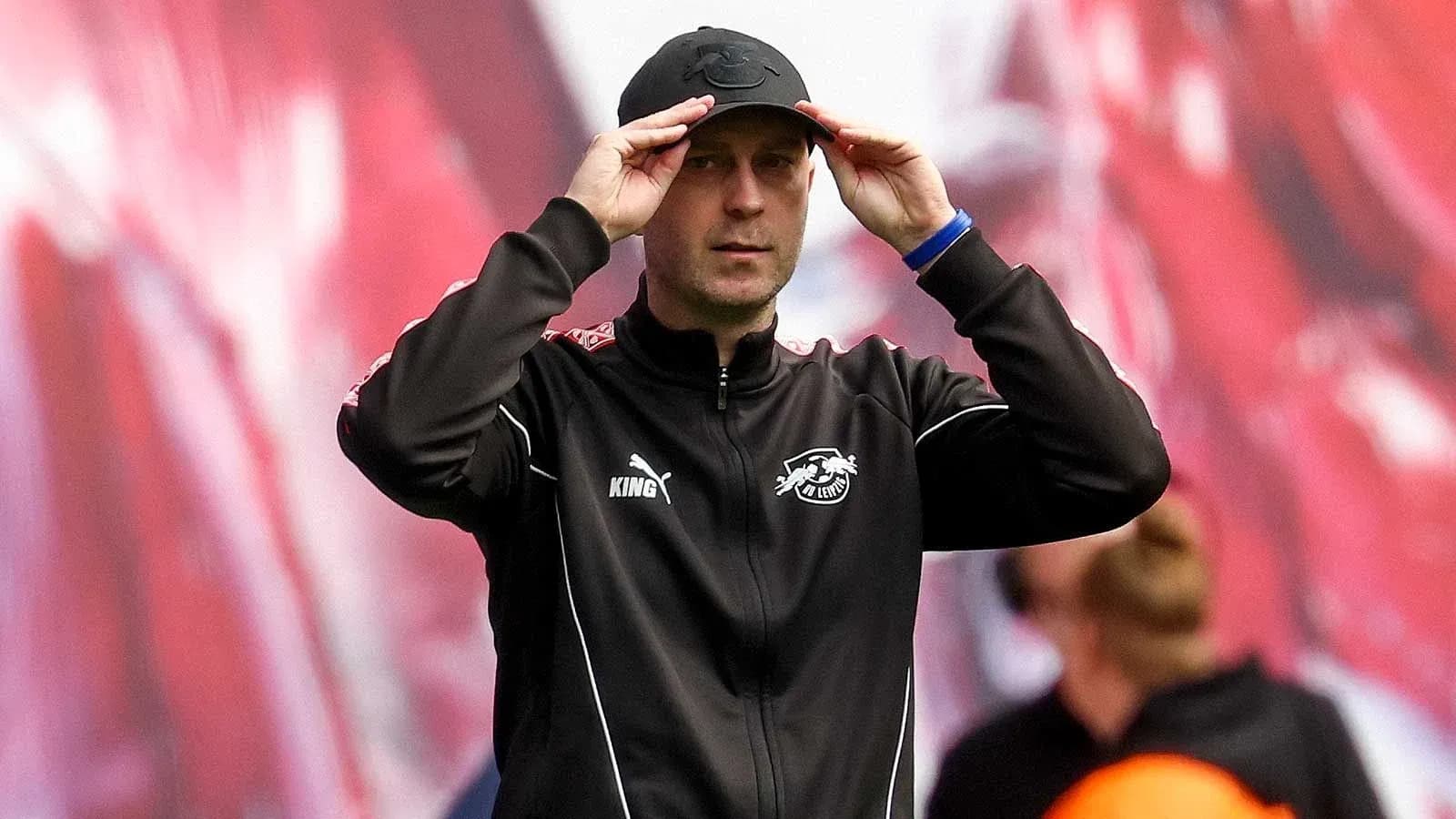
After the chaos of 2024/25 – RB Leipzig’s worst Bundesliga season and a year without European football – Marco Werner walked into a club that looked as if it had been stripped for parts. Twelve months on, Leipzig finished just two points shy of their best-ever Bundesliga tally from 2016/17. On paper, that is a textbook rebuild.
A 1.95-point average over 38 league games underlines it. Over a full season, that’s title-chasing territory in most years. For a club coming off its lowest ebb of the Red Bull era, it should have been a shield against criticism.
It hasn’t been.
Rebuild under fire
Werner took charge as the squad was being torn up. Leipzig lost their three leading scorers from the previous campaign: Benjamin Sesko, Xavi Simons and Lois Openda. Two long-serving pillars, Yussuf Poulsen and Kevin Kampl, also moved on. Goals, experience, dressing-room voices – all gone in one swing.
The response from the dugout was not to complain, but to recalibrate.
Christoph Baumgartner’s influence grew. Nicolas Seiwald stepped out of the shadows. Yan Diomande, the marquee arrival, quickly became the face of the new Leipzig, a player around whom games seemed to bend. Under Werner, several careers have clearly kicked on, and the dressing room, by all accounts, has stayed with him.
Yet inside the so-called “Global Team”, belief in the coach has never fully matched the numbers. A Sky report summed up the internal scepticism in blunt terms: a bit of luck, a bit of chance, too much reliance on Diomande, and no truly convincing overarching game plan. For a club that sees itself as a project as much as a team, that critique cuts deep.
Werner feels it. He has every reason to.
February fault line
The tension that now surrounds his future did not arrive with the final league table. It surfaced much earlier, in the cold of February, when Leipzig’s DFB-Pokal run ended with a 0–2 quarter-final defeat to Bayern Munich.
Against a Bayern side dominating the season, Leipzig were “decent”. Respectable. That was the word Red Bull CEO Oliver Mintzlaff chose as he assessed the cup exit. Then he pivoted sharply.
Because for Mintzlaff, the real problem was not the knockout defeat to Bayern. It was the limp Bundesliga return that framed it: just four points from matches against Mainz, St. Pauli and Cologne. Games Leipzig expect to control, and win.
“In the league, that wasn't anywhere near what we want. I hold the team accountable for that,” he said. The comment landed like a flare in a dressing room already under scrutiny, and it inevitably cranked up the temperature around Werner and his staff.
Leipzig’s public line all season had been clear: after a “massive overhaul”, the only non-negotiable target was a return to any form of European competition. Transition, patience, perspective – the usual vocabulary of a club in flux.
Mintzlaff cut straight through it.
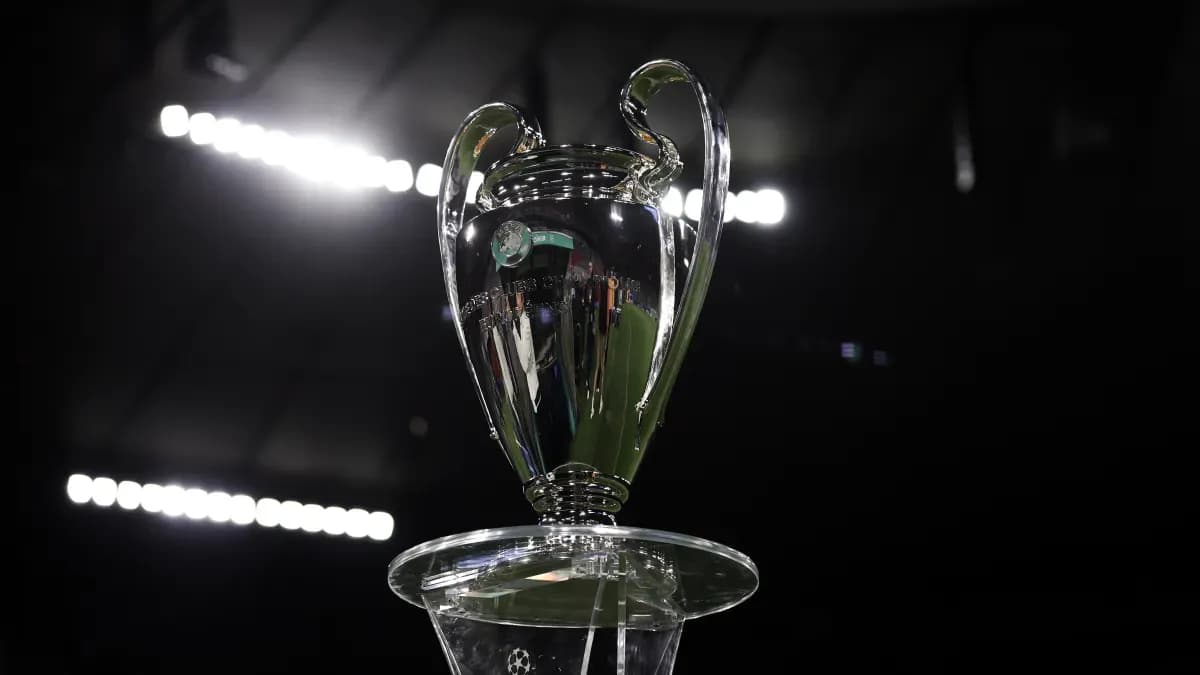
“I want to be in the Champions League!” he declared, calling that level “achievable” and pointing not to inexperience, but to something more damning: a team that, in his eyes, lacked the ability to deliver its full potential for 90 minutes every Bundesliga match.
Shortly afterwards, Bild reported that Werner was under growing pressure and that the atmosphere around the coach had turned “increasingly frosty”. The narrative was set: results or not, he was on trial.
Champions League – and still no safety
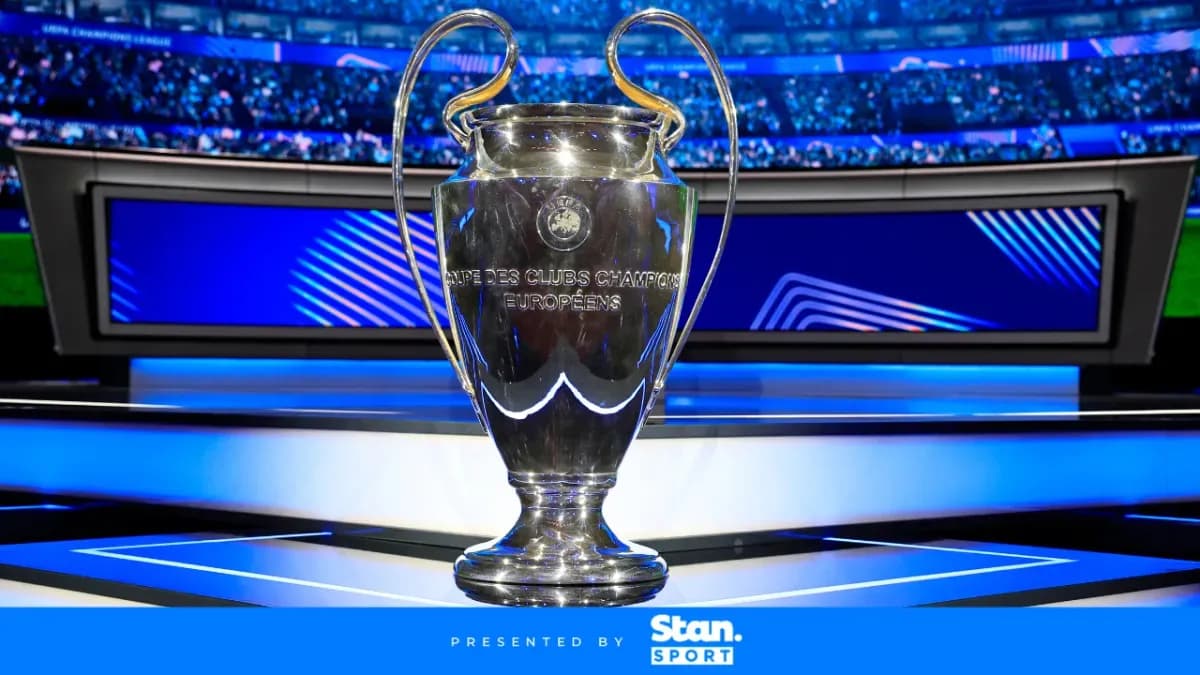
Werner delivered the minimum that the hierarchy had publicly set and the maximum Mintzlaff demanded: Leipzig are back in Europe, with Champions League qualification secured by a rebuilt side that, at times, played with genuine authority.
Yet the coach still looks over his shoulder.
The suspicion within the Red Bull structure is that this upturn rests too heavily on individual form – the “Diomande factor” – and not enough on a system that can withstand departures, dips, and the next wave of change. In Leipzig, coaches are judged not only on what they win, but on how repeatable their work looks from the boardroom.
That is where Werner’s strong numbers collide with the club’s self-image. A 1.95-point average is elite. The question inside the corridors of power is whether it feels sustainable, or simply convenient.
Now the decision moves upstairs. If the sporting leadership around Max Eberl’s successor, Rouven Schröder or, as reported, sporting boss Rouven Schäfer and his team cannot sell Werner’s value to the Red Bull board led by Mintzlaff, the coach’s position will come under real threat.
Werner has dragged Leipzig back to the Champions League and overseen the birth of a new core. The figures are on his side. The politics might not be.
At this club, the next step is never guaranteed – not even when you’ve just hit the target everyone claimed was the only one that mattered.