.svg&w=384&q=75 "Naijagoal logo")

Quarterfinals Preview: France vs. Morocco, England vs. Norway, Argentina vs. Switzerland, Spain vs. Belgium
And then there were eight. Ninety‑six games in 27 days have stripped this World Cup down to its core: heavyweights, dark horses and nations riding a once‑in‑a‑generation wave. No more safety net, no more soft landings. Four quarterfinals, four very different stories.
Here’s how they stack up.
1. France vs. Morocco – July 9
The sequel with everything on the line
They’ve been here before. Less than four years ago, France and Morocco met in a World Cup semifinal, a taut 2-0 French win that never truly felt comfortable for the eventual champions.
The names on the teamsheets have shifted, but the edge hasn’t dulled.
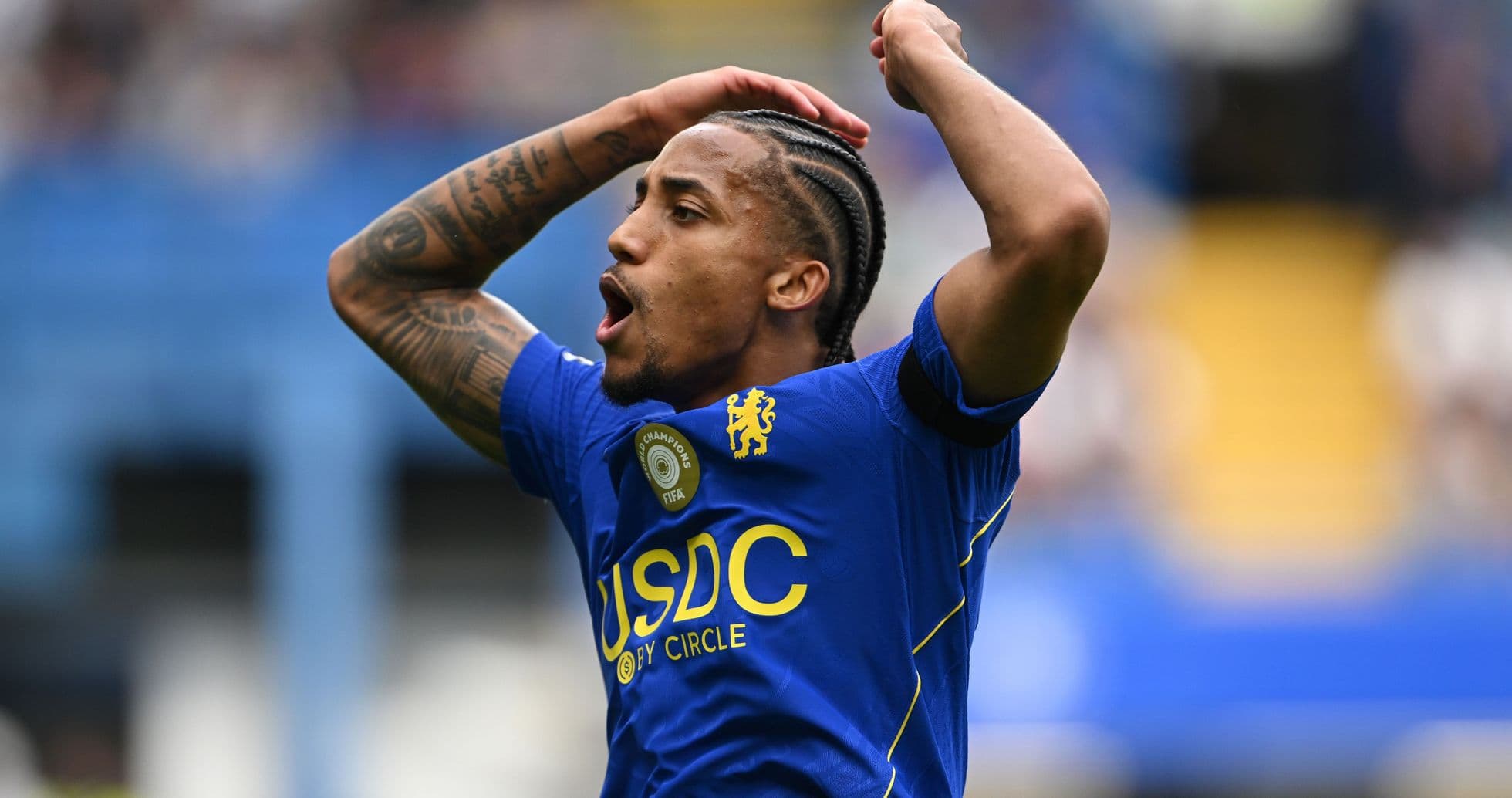
France still revolves around Kylian Mbappé. The French captain bends games to his will, with Ousmane Dembélé buzzing around him, stretching defenses and forcing mistakes. Around that established core, though, Didier Deschamps has ushered in a fresher, more fearless supporting cast. Michael Olise, Désiré Doué and Bradley Barcola are stepping into the glare of the knockout rounds for the first time, bringing energy and unpredictability to a side already loaded with firepower.
Morocco, as ever, leans on its spine. Achraf Hakimi remains the emotional and tactical heartbeat at right back, Yassine Bounou is still the calming presence in goal, and Azzedine Ounahi continues to knit everything together in midfield. Around them, the Atlas Lions have upgraded. Brahim Díaz gives them a creative, slippery threat between the lines, while 18-year-old Ayyoub Bouaddi has surged into the picture, adding legs and bravery in the center of the pitch.
France enter as the tournament favorite, and with reason. They can hurt you from wide, through the middle, on the break, or from set pieces. Yet Morocco know this stage now. They’ve lived it, survived it, and they have enough technical quality to turn this into a shootout rather than a siege.
The concern for Walid Regragui is up front. Ismael Saibari, who limped out of the round of 16 win over Canada, is a major doubt. His ability to occupy defenders and link play has been crucial. Without him, Morocco lose a reference point in attack. In a game likely decided by thin margins, that single absence could tilt the balance.
It feels like another knife-edge meeting: two teams capable of scoring multiple goals, one mistake away from disaster, one moment of brilliance from the semifinals.
2. England vs. Norway – July 11
Haaland’s party meets England’s nerve
Erling Haaland has turned this World Cup into his personal American tour. Norway’s first quarterfinal in 28 years has been powered by his ruthless finishing and a squad that finally looks ready to step out of history’s shadow.
Now comes Miami, and a reunion with some very familiar faces.
England may line up with three of Haaland’s Manchester City teammates from last season in defense: Marc Guéhi, John Stones and Nico O’Reilly. They’ve trained with him, marked him, been on the wrong end of his finishing in practice. If anyone knows his habits, his runs, his tells, it’s them. Whether that knowledge actually stops him is another matter.
Norway, though, is no one-man act. Martin Ødegaard dictates the tempo from midfield with the same authority he shows at Arsenal. Sander Berge brings Premier League steel from Fulham, while Oscar Bobb, another former City man now at Fulham, offers guile and directness from wide areas. This is a group comfortable at this level, not just passengers on Haaland’s ride.
England arrive with their confidence restored. Their stirring comeback win over Mexico showcased not only their quality, but their resilience. They bent without breaking, then seized the game when it mattered most. This will be a different kind of test. They’re likely to have more of the ball, more responsibility, and less space.
That shifts the burden onto England’s creators. Can they find the angles, the disguised passes, the third‑man runs needed to unlock a disciplined Norwegian block? Because every loose pass, every overcommitted attack, leaves them exposed to the one thing Norway do better than almost anyone: spring Haaland into space on the counter.
This has all the ingredients of a tense, tactical contest. A cagey rhythm, one or two decisive moments, and the sense that a single slip – or a single Haaland surge – will decide who moves on.
3. Argentina vs. Switzerland – July 11
Champions living on the edge
Argentina are walking a tightrope and refusing to look down.
Extra time against Cape Verde. A monumental comeback against Egypt. The reigning champions have flirted with disaster, then stared it down, and now stand two wins from another World Cup final.
Switzerland represent a clear step up in difficulty. On paper, at least, this is their toughest knockout assignment so far.
The Swiss are built on experience. Their squad is stacked with players who have lived in Europe’s biggest leagues for years, and they carry the scars and swagger of a team that has already knocked out France and Italy in recent European Championships. They know how to suffer, how to slow games down, how to drag giants into uncomfortable territory.
Defensively, they have the structure to frustrate Argentina and limit Lionel Messi’s influence. They’re organized, stubborn, and rarely give up cheap chances. The real question lies at the other end of the pitch.
Where do the goals come from?
Breel Embolo has the tools. He can run in behind, hold the ball up, and finish under pressure. Yet Switzerland will need more than isolated flashes; they need sustained threat. A return to full health for Johan Manzambi would be a major boost, offering another outlet and a different profile in attack.
Argentina, for their part, will lean once more on their mix of individual genius and collective grit. They’ve been dragged into chaos and found a way out. They’ve stared at elimination and answered. But there’s only so long you can live like that before someone makes you pay.
Switzerland are exactly the sort of opponent who punish lapses. This is where the champions must decide whether they want to keep surviving – or start imposing themselves again.
4. Spain vs. Belgium – July 10
Control vs. chaos
Spain have turned this World Cup into a lesson in suffocation. Five matches, zero goals conceded. They squeeze the life out of opponents by hoarding the ball, dictating tempo, and forcing teams to chase shadows.
They haven’t even needed their brightest young star to explode.
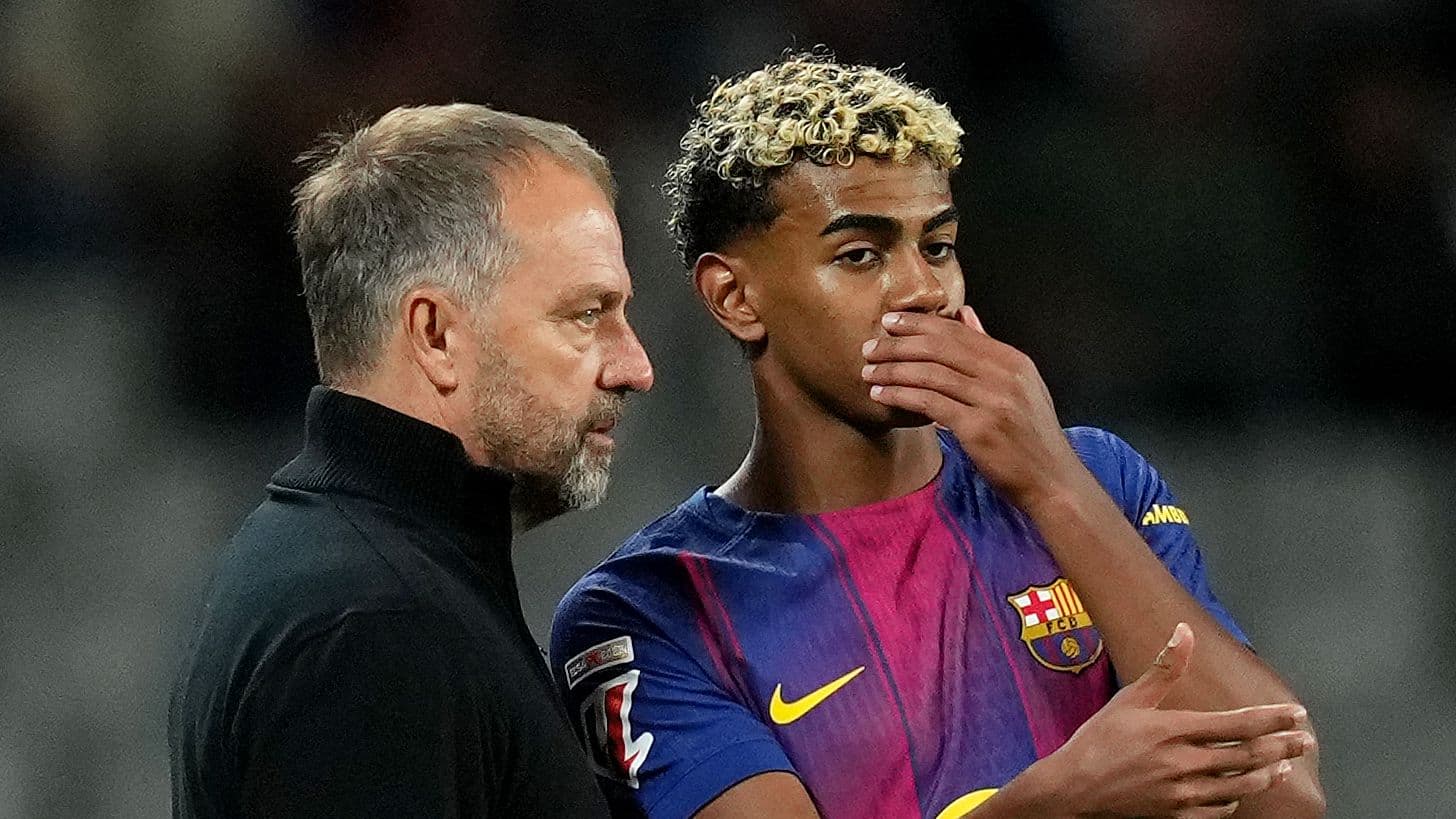
Lamine Yamal arrived in the United States at less than full fitness, and the 18-year-old Barcelona winger has yet to dominate the scoresheet. He doesn’t have to. His mere presence bends back lines, drags extra defenders his way, and opens corridors for others to exploit. Mikel Oyarzabal has been the main beneficiary so far, leading Spain with four goals, while a rotating cast has chipped in around him.
There’s still a sense Spain have another attacking gear. If Yamal sharpens up and injured winger Nico Williams can influence the game, this side’s threat multiplies.
Belgium, by contrast, have lurched from anxiety to explosion. They stumbled through the group stage, then suddenly caught fire, scoring 12 goals in their last three matches. A shift to a more athletic lineup against the United States injected urgency and verticality, and it paid off.
The price was steep. Amadou Onana’s ACL injury in that match ripped a hole in the midfield. His range, physicality and ball-winning are almost impossible to replace like-for-like. That absence may force a recall for Kevin De Bruyne, who sat out the round of 16 win. If he returns, Belgium gain vision and creativity, but lose some of the bite Onana provided.
Rudy Garcia also faces big calls in attack. Does he restore Jeremy Doku’s dribbling chaos from the start? Does he keep Romelu Lukaku as an impact substitute, a late hammer to swing if the game drifts towards extra time?
Spain will want to smother, to turn this into a game of patterns and patience. Belgium will want to break those patterns, to turn sterile possession into sudden panic. With the prospect of 120 minutes looming, Garcia is likely to hold back at least one major weapon, ready to change the rhythm when legs tire and concentration slips.
Spain haven’t conceded yet. Belgium have found their scoring touch. Something has to give – and whoever bends here may find their entire World Cup story rewritten in a single night.