.svg&w=384&q=75 "Naijagoal logo")

The Netherlands: A Dark Horse with Steel and Skill
The Netherlands arrive as they often do: feared, respected, but not quite trusted.
They are not being spoken about in the same breath as the absolute favourites. Instead, they sit in that dangerous bracket of dark horses – the team no one wants to face in the knockout rounds, but few are brave enough to tip for the trophy.
A Brutal Group, A Backline of Steel
The draw has not been kind. Japan, Sweden and Tunisia form a group with no soft landing, no guaranteed three points. It is the sort of pool that punishes any lapse in focus.
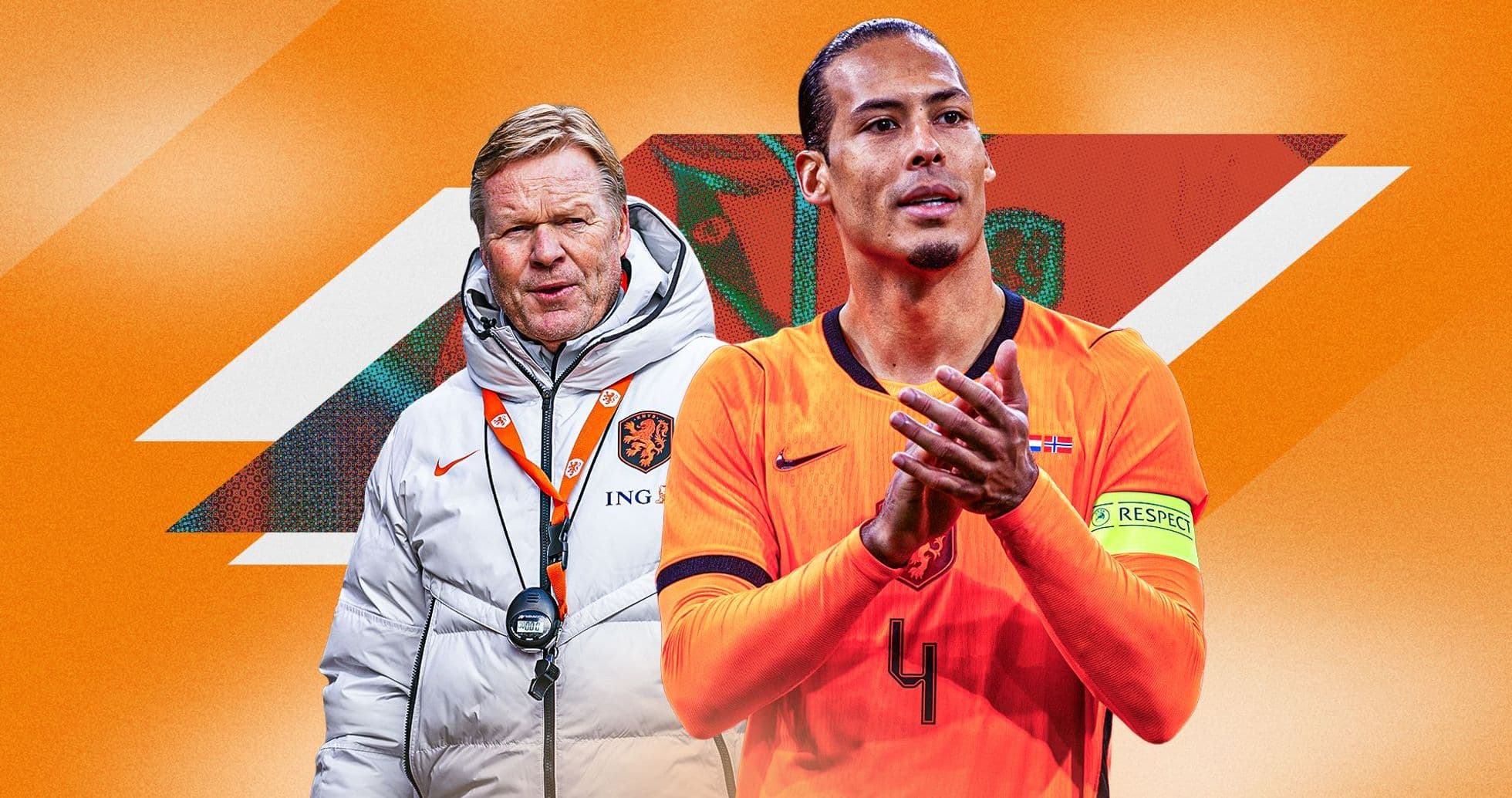
Yet the Oranje still carry the tag of favourites to top it, largely because of the spine that runs straight through Ronald Koeman’s squad. Virgil van Dijk anchors the defence with the authority of a man who has seen every kind of storm. In front of him, Frenkie de Jong knits everything together, the metronome who can turn a tight game with one disguised pass. Higher up the pitch, Memphis Depay and Cody Gakpo bring goals, invention and a touch of chaos.
On paper, it looks balanced. On the pitch, questions linger.
Injuries, Omissions and Unease
Koeman’s plans have already taken some heavy blows. Xavi Simons, Jurrien Timber and Matthijs de Ligt are all ruled out through injury, stripping the squad of versatility, youth and defensive depth in one cruel sweep.
Then came the surprises. Jeremie Frimpong, with his turbocharged runs from deep, did not make the final cut. Nor did gifted midfielder Kees Smit. Both absences sparked debate at home, the kind that lingers around a national team coach when the margins are thin and every decision is magnified.
The warm-up games did little to calm anyone down. A shock defeat to Algeria in the first pre-tournament friendly jolted the mood. The narrow win over Uzbekistan that followed was better in result than in reassurance. The Netherlands got over the line, but the performance did not silence the doubts.
Koeman’s Second Act
Ronald Koeman knows all about scrutiny in this job. He first took the reins in 2018 after Dick Advocaat stepped aside, signing a four-year deal and quickly steering the Netherlands back toward relevance. A place in the 2019 UEFA Nations League final, qualification for Euro 2020 – the Oranje looked restored.
Then Barcelona called. Koeman left the national team, chasing the chance that very few Dutch coaches would turn down.
Two and a half years later, he was back. In 2023 he returned to replace Louis van Gaal and promptly led the Netherlands to two more semi-finals: one in the Nations League that year, another at Euro 2024. On paper, that is a solid return.
Inside the country, the verdict is less straightforward. Koeman has earned praise for blooding a new wave of talent, pushing younger players into serious roles. At the same time, he faces criticism for a style that often feels at odds with the grand Dutch tradition – the attacking, expressive football that flows from the ideas of Rinus Michels and Johan Cruyff.
Results versus romance. It is an old Dutch argument, and Koeman sits right in the middle of it.
Depay, Still the Reference Point
Memphis Depay remains the face of this team, even as his club career has taken him away from Europe and into what is likely his final major tournament with the Oranje.
His numbers for the national side are historic. With 55 goals, he stands alone as the all-time leading scorer in Dutch history, ahead of Robin van Persie, Dennis Bergkamp, Arjen Robben and Ruud van Nistelrooy. That list reads like a hall of fame; Depay is now statistically above them all.
In an era where the Netherlands lack a classic, world-class No. 9, Koeman leans on him again. Depay drove the team through qualification and averages close to a goal every two games for his country. The caveat is clear: only six of those goals have come at major tournaments. For all his influence, this is the stage where he still has something to prove.
If the Dutch are to live up to that dark-horse billing, Depay’s end product in the biggest matches cannot remain a footnote.
The Rise of ‘Brobbeast’
Behind Depay, a different kind of forward is pushing his way into the story.
Brian Brobbey, shaped in the Ajax academy, took a detour that almost derailed him. His move to RB Leipzig in Germany never truly clicked, and the “flop” label arrived far too quickly for a young striker still learning his craft.
He left, rebuilt and re-emerged in England with Sunderland. That is where the narrative changed. At 24, Brobbey has rediscovered his edge, his confidence, his goals.
Seven goals in 31 Premier League appearances might not leap off the page, but the context matters. He became a central figure in a Sunderland side that punched its way into Europa League qualification, a remarkable achievement that owed plenty to his presence up front.
The nickname ‘Brobbeast’ fits. He is powerful, quick, and comfortable leading the line alone. Defenders feel him in every duel. He stretches teams, occupies centre-backs, and has become a decisive force again in the penalty area.
A few years ago, people reached for easy comparisons and called him “the new Romelu Lukaku”. That talk has faded. Brobbey now stands as a reference point in his own right, a player young forwards study rather than a copy of someone else.
If he carries that club form into the tournament, he gives Koeman something the Netherlands have missed for years: a genuine physical spearhead to complement Depay’s craft.
And if that blend clicks, the Oranje might just turn that familiar dark-horse label into something far more dangerous.