.svg&w=384&q=75 "Naijagoal logo")

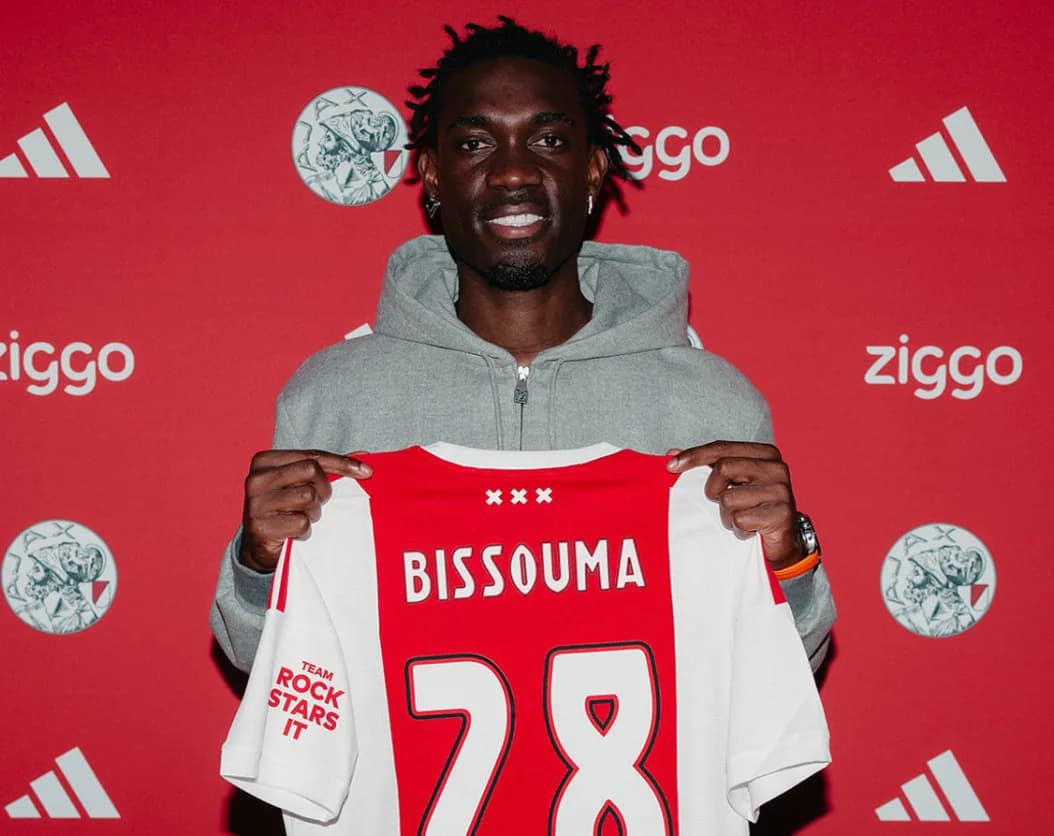
Nathaniel Banks Chooses Germany Over USMNT
Augsburg teenager Nathaniel Banks has chosen to pin his international future to Germany, shutting the door on the United States and ending one of the USMNT’s most closely watched recruitment battles.
The 19-year-old centre-back has filed a one-time switch to represent Germany at U-21 level, a decisive move that confirms where his allegiance lies after years of tug-of-war between the two federations.
Born in Honolulu to an American father and German mother, Banks grew up largely in Europe and came through the German system, but the U.S. invested heavily in his pathway. He played for the United States at youth level and was even called into the senior squad for friendlies against South Korea and Japan in September 2025. He never earned a cap, though, and that gap has now proved decisive.
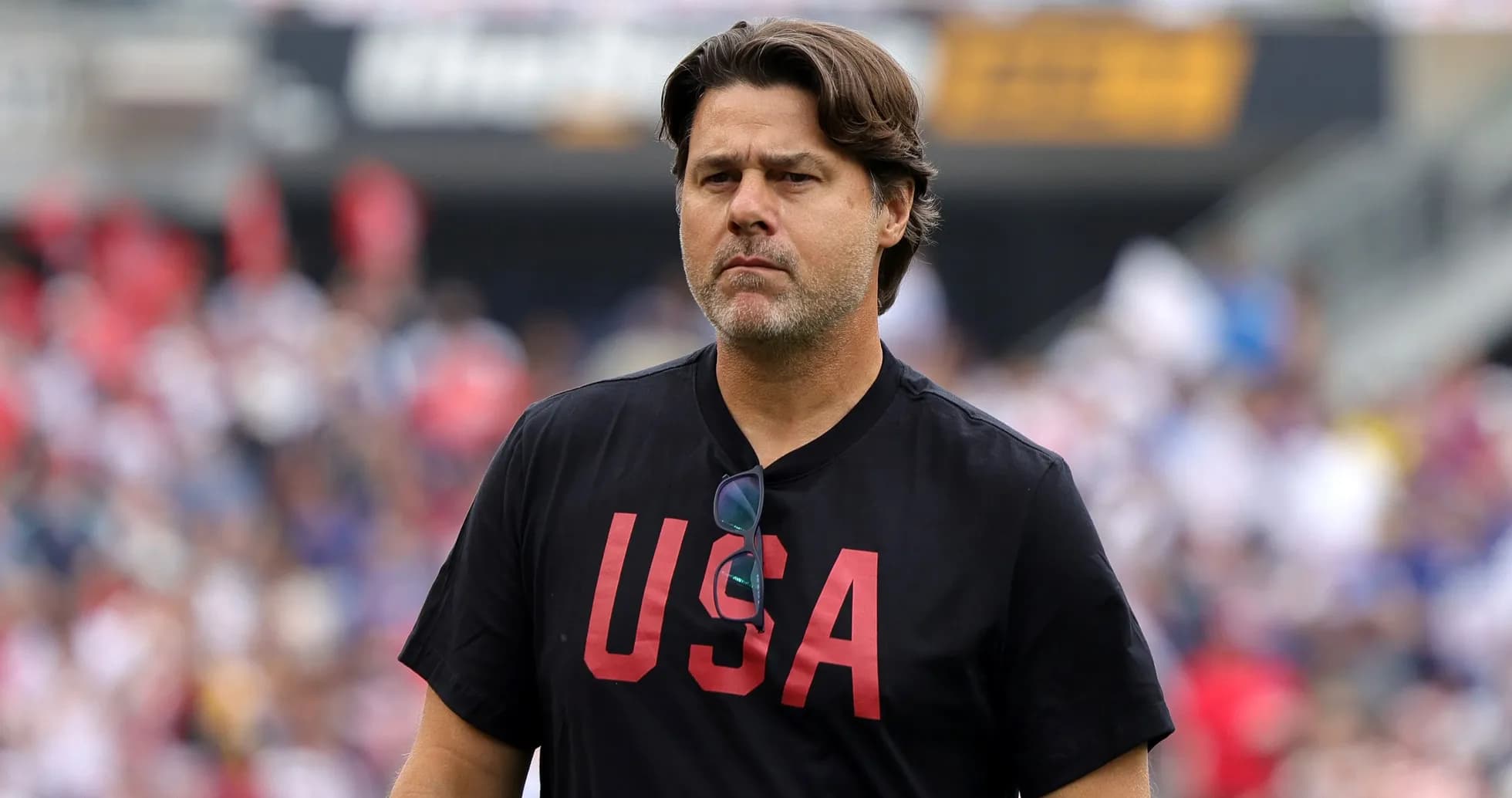
For Mauricio Pochettino, it closes a long, meticulous chase.
The USMNT head coach revealed that Banks picked up the phone himself to deliver the news.
“Yes, he called us. He said, ‘I decide to go for Germany,’” Pochettino said, as quoted by CBS Sports. The Argentine appreciated the clarity but used the moment to hammer home his core principle: you’re either all in, or you’re out.
“We want players that show commitment but commitment is not 50 per cent. It’s 200 per cent,” he said. “He was honest because every time that we contact[ed] him with the possibility to join us, he said, ‘No, still in doubt. I don’t know if I want to pick USA or Germany,’ and he was honest.”
That honesty did not change the outcome, but it did sharpen Pochettino’s message.
Pochettino draws a line
The USMNT is already in the middle of a generational reset. Veterans are being phased out, younger faces are being pushed into key roles, and dual nationals sit at the heart of almost every long-term planning meeting in Chicago.
Pochettino made it clear he wants no hesitation in that environment.
“We want players with no doubt,” he said. “We want players that are committed and desperate to play for the badge and play for us, and that is the most important thing.”
The reality of the American landscape looms over every sentence. The United States is a magnet for dual nationals; players grow up with multiple passports, multiple options, and multiple federations whispering in their ear.
“Of course, it’s a thing that we need to deal [with] because we are in a country [where] that happens often but I think that organization is so strong,” Pochettino continued. “U.S. Soccer is an organization that is [above] any player, any name, any dual national and I think [what] is the most important that the player [has] no doubt when [they] join us, [there’s] no doubt that they want to die for that chance.”
Banks’ decision underlines the risk. The USMNT can identify, court and integrate a prospect, but until a competitive cap locks them in, the pull of another flag can still win.
Pochettino’s response? Move on quickly.
Eyes on the next wave
Barely days after Banks’ switch became public, Pochettino was back on the road. On Friday, he took his seat at the New York derby, joined by former Manchester City boss Pep Guardiola, as Red Bull New York edged New York City FC 1-0.
The scoreline mattered less than the notebook.
Pochettino watched Matt Freese closely. The NYCFC goalkeeper started for the U.S. at the World Cup and remains central to the national team’s plans, and every high ball, every distribution choice, every command of his box fed into the broader evaluation of what this new-look USMNT will be.
The real intrigue, though, came in the form of two teenagers in red.
Julian Hall and Adri Mehmeti, both uncapped, both highly rated, both dual nationals, were under the microscope. Their profiles fit exactly the type of player U.S. Soccer can’t afford to lose again: young, dynamic, and already on the radar of other federations.
This is where the Banks saga lands with real weight. His decision is gone, signed off in paperwork and filed with FIFA. Hall and Mehmeti are not. Not yet.
For Pochettino and U.S. Soccer, the race has simply shifted to the next generation. The question now is whether the badge, the project and the promise of a leading role will be enough to convince the next Banks to stay.