.svg&w=384&q=75 "Naijagoal logo")

Morocco Fans Embrace Kylian Mbappe After World Cup Heartbreak
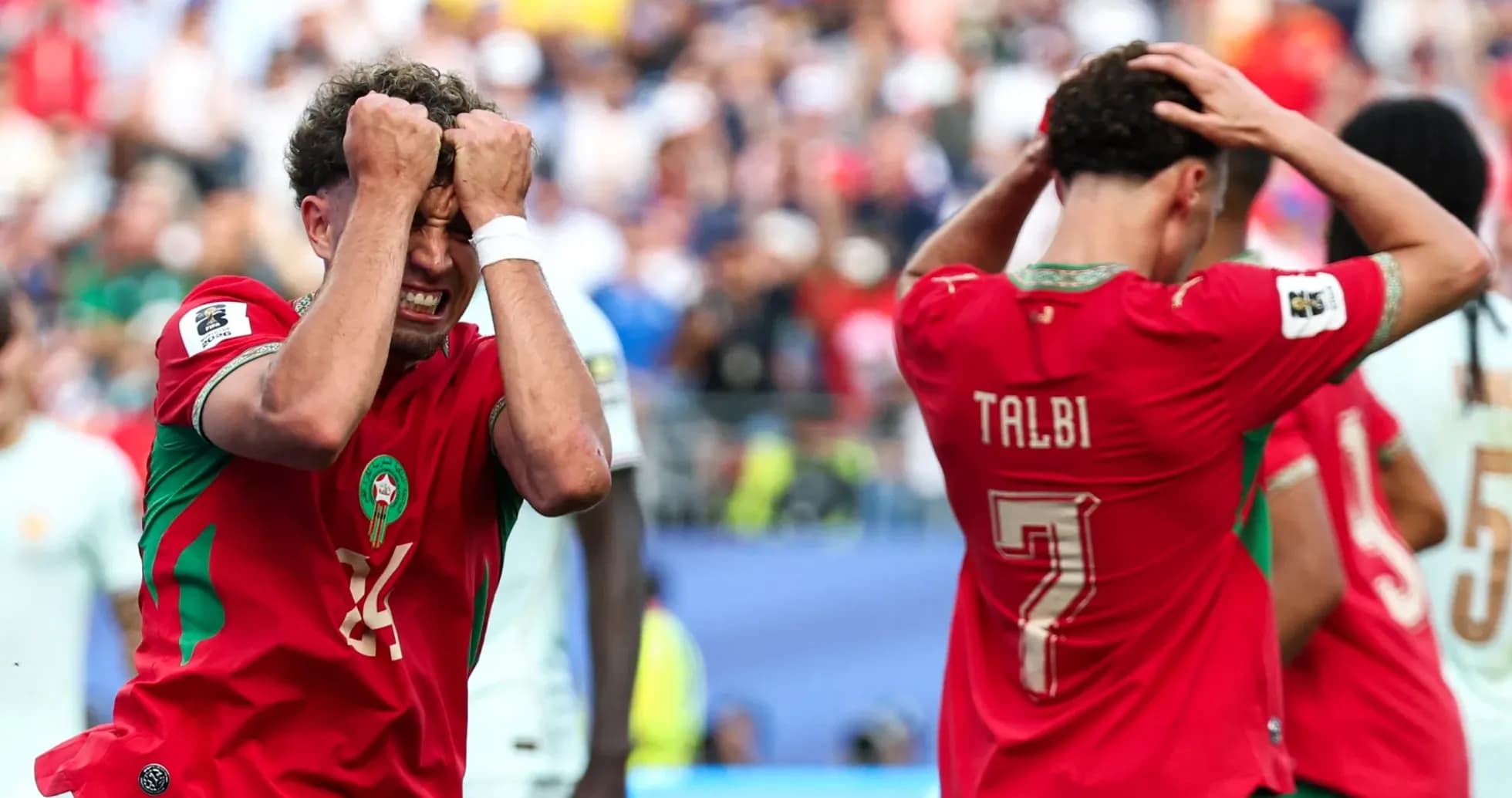
Boston, United States – By the final whistle, some Morocco fans had done the unthinkable. Their team had just been knocked out of the World Cup, revenge for 2022 denied, yet they were happily signing up – at least in spirit – to the Kylian Mbappe fan club.
He left them no choice.
Mbappe smashed in one, laid on another six minutes later, and turned a tight quarterfinal into a 2-0 French procession on a scorching East Coast afternoon. By the time he was done, Moroccan supporters were calling France an “unstoppable force” and sounding like they meant it.
“France are an unstoppable force because not only do they start with 11 very good players on the pitch, but they also boast one of the best bench strengths in the tournament,” said Yaseen Maroufi, shoulders slumped but voice steady as he shuffled away from the stadium. “France are the team to beat, and it’s very hard to beat them at the moment.”
It hadn’t looked that way at kick-off.
A grudge carried from 2022
This first quarterfinal of the 2026 World Cup was soaked in memory and heat. Morocco arrived with the 2022 semifinal loss still stinging, a younger squad, a new coach and the sense that football owed them something.
There was belief, but it was cautious. The prayers were specific: a disciplined Morocco, a ruthless counterattack, and a quiet afternoon for the French captain.
For half an hour, that script held.
Then, in the 29th minute, the moment they all feared arrived. Penalty to France. Mbappe on the spot. The stadium tensed, Moroccan flags frozen mid-wave.
What followed felt like a small miracle.
A long delay, players jostling at the edge of the box, the ball nudged and reset. Mbappe hesitated. The run-up lacked conviction. The shot was tame. Yassine Bounou, Morocco’s hero from 2022, read it, gathered it, and roared.
The save matched the pattern of a cagey first half. Both sides probed but rarely committed numbers forward, wary of being sliced open in transition. It was tense, tactical football, rich in anxiety and low on clear chances.
Morocco went into the break level, still alive, still dreaming.
Space appears, France pounce
When the teams emerged, Morocco stepped up. The Atlas Lions finally pushed into the French half with intent, carving out their only shot on target. It was saved, but it hinted at a bolder second act.
That ambition came with a price.
As Morocco tried to tilt the field, gaps began to appear behind their advancing full-backs. Against most teams, those spaces are a risk. Against France, they are an invitation.
Suddenly, Mbappe had room to glide into on the left. Defenders who had kept him largely contained in the first half now found themselves backpedalling, turning, guessing. The French captain began to toy with the back line, changing pace, feinting inside, dragging markers with him.
The pressure finally snapped in the 60th minute. Mbappe sliced through the Moroccan defence, the move unfolding with a brutal inevitability. The finish brought his World Cup 2026 tally to eight and finally broke Moroccan resistance.
Six minutes later, he twisted the knife.
This time, Mbappe shifted from executioner to architect, creating the opening for Ousmane Dembele to sweep in France’s second. Dembele’s fifth of the tournament wrote a small piece of history: France became the first team ever to have two players score five or more goals at the same World Cup.
The scoreline was familiar. The feeling, painfully so.
Silence, then a new kind of hope
Mbappe kept circling, tormenting tired legs in red, but the damage was done. Morocco, who had matched France stride for stride in the first half, struggled to carry the ball into dangerous areas as the minutes drained away. Every misplaced pass seemed heavier than the last.
The sound inside the stadium told its own story.
“Dima Maghreb,” the chant that had rolled and thundered around the stands, began to fade. The red wall that had roared through 2022 and into 2026 fell quiet, the noise replaced by the sharp, rising chorus of “Allez les Bleus” as French fans sensed another deep run coming.
“It was wonderful to watch all this French talent,” said Claude Beyanoun, a French American supporter, standing alongside his son Zach, both beaming at what they had just witnessed.
On the other side of the divide, Moroccan fans moved slowly towards the exits. Faces drawn, flags dragged rather than waved, they wore the look of a fanbase that had seen this film before and hated the ending just as much the second time.
Same opponent. Same margin. Same heartbreak.
Yet even in defeat, there was defiance.
“We didn’t win this one, but we’ll win the next World Cup at home,” said Hamza, a Morocco fan who offered only his first name, already turning his thoughts to 2030, when Morocco will cohost the tournament.
The revenge they craved in Boston never arrived. Mbappe made sure of that. But with a young team, a home World Cup on the horizon and a fanbase that refuses to bow for long, the real question now is simple: when 2030 comes, will it finally be Morocco’s turn to be the unstoppable force?