.svg&w=384&q=75 "Naijagoal logo")

Michael Carrick's Manchester United: Top of the Table Amid Spending Austerity
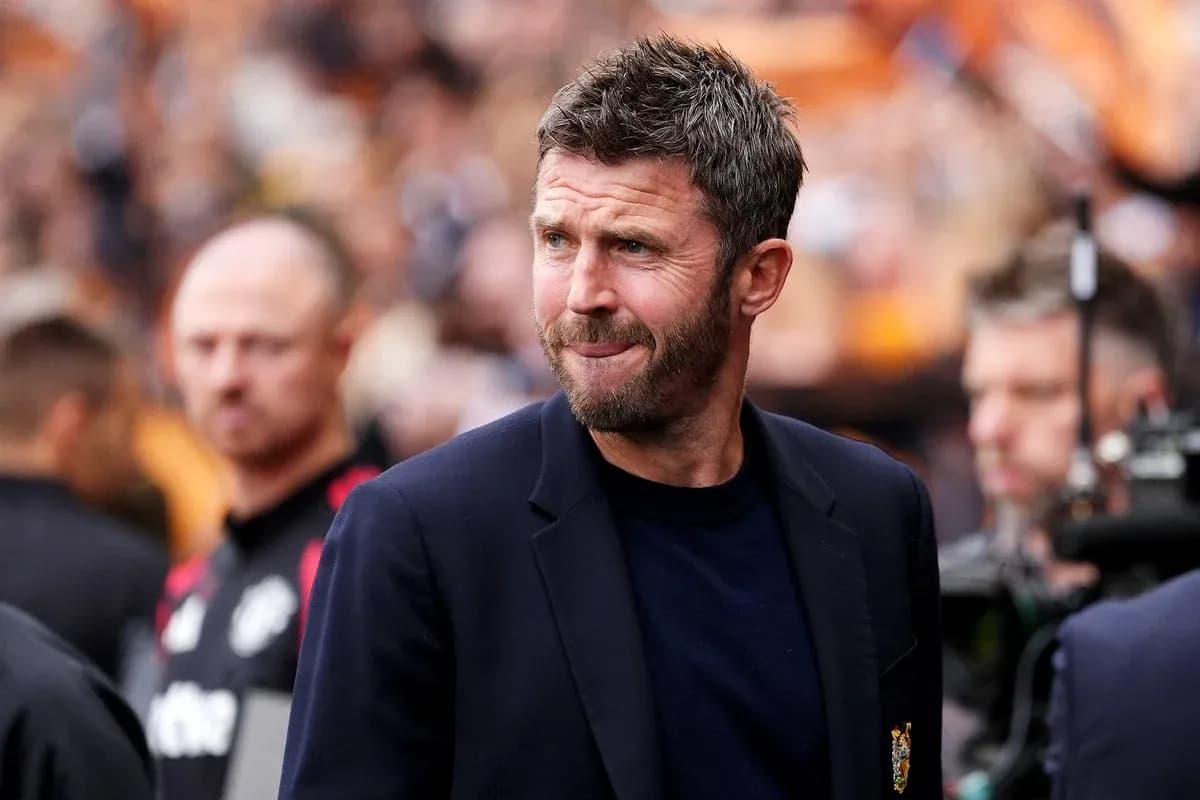
Michael Carrick has Manchester United top of a table that finally matters again. Since his appointment in January, no one in the Premier League has taken more points. For once, Old Trafford’s surge is about results, not receipts.
For the last 13 years, United have usually led a very different ranking. They were the club that broke markets, not ducked them. This summer told another story. When the window shut, the numbers were stark.
According to Transfermarkt, United sat in the bottom half of the Premier League spending table. They poured £148 million, potentially rising to £155 million, into a rebuilt midfield. Beyond that, no senior signing. No new striker. No extra left-back.
Across the league, the heavyweights opened their wallets. Manchester City went past £400 million. Chelsea and Tottenham cleared £300 million. Newcastle, Aston Villa, Liverpool and Arsenal all pushed beyond £200 million. Promoted Ipswich and Hull outspent United. By the time the dust settled, United were 11th in the gross-spend standings.
Austerity at Old Trafford?
Call it austerity if you like. Carrick won’t. Publicly, he is careful, loyal to the club line, and pointedly upbeat about what he has been given.
“Certainly, the players that we've brought into the group, I'm absolutely delighted with,” he said. “I think we've done some really good business there for the quality and the level of player that we've got. You can always look at it, and there's other things you can do or possibly could have done.”
That last line hung in the air. The deals they could have done felt like the real story.
United were offered Rayan Ait-Nouri on loan on deadline day. They were never realistically in a position to buy Lewis Hall this summer, even if Newcastle had been willing to talk. The top-end options that used to gravitate towards Old Trafford suddenly felt a step out of reach.
The reasons stack up quickly.
United’s long-running problem selling unwanted players bit again. Manuel Ugarte’s injury at the World Cup was unfortunate, but it wrecked any chance of a sizeable fee. The club may have started the summer expecting to cash in on Ugarte, Andre Onana and Joshua Zirkzee. Instead, Zirkzee stayed, Onana returned to Trabzonspor on loan, and the imagined windfall vanished.
They might yet be thankful Barcelona did not trigger their option to buy Marcus Rashford. The proposed £26 million fee now looks wildly low for a Mancunian forward with the talent to lead the line. Unlike several others, he still looks capable of being a first-choice star.
United had probably pencilled in an extra £50 million from sales. Maybe even £100 million if everything broke their way. It didn’t. Strip away the money tied to the pre-arranged Rasmus Hojlund deal with Napoli in 2025 and only Coventry generated less from outgoing transfers.
That left United looking more like an outlier than a superclub in the modern trading game. They sat higher up the net-spend table – Villa and Chelsea actually made profits, Newcastle flirted with doing the same – but their model felt oddly static next to rivals who buy and sell relentlessly.
Paying for Old Mistakes
The market’s wild inflation did not help. It also exposed United. Midfielders they admired, such as Elliot Anderson and Mateus Fernandes, moved for huge sums. The price of admission at the top table rocketed, and United simply could not go with it.
Any sense of a credit crunch at Old Trafford is rooted in the past as much as the present. The club have absorbed big losses on expensive mistakes. Antony and Casemiro loom largest, their fees and wages still dragging on the balance sheet.
Even last summer’s smarter work carries a question mark. Senne Lammens arrived as a bargain, yet the club still face scrutiny over whether they overpaid for parts of the £200 million attacking trio of Bryan Mbeumo, Mateus Cunha and Benjamin Sesko. The annual accounts repeatedly highlight the tens of millions still owed in staged transfer payments. On top of that, the interest on the Glazer-era debt keeps ticking over, year after year.
Ruben Amorim’s brief, costly reign added another layer. United paid Sporting CP €11 million in compensation to bring him in. They then continued paying the Portuguese coach after sacking him. The footballing cost was just as sharp. A 15th-place finish in the Premier League in 2025 slashed prize money. A season of only 40 matches – out of the Carabao Cup to Grimsby under Amorim, out of the FA Cup to Brighton under Darren Fletcher – meant fewer matchdays, fewer broadcast bonuses, less cash everywhere you looked.
The result is a club attempting a rebuild on a budget that would once have been laughed out of the directors’ box.
Bargain hunting, United-style
So United shopped differently. They targeted release clauses and value, not headlines.
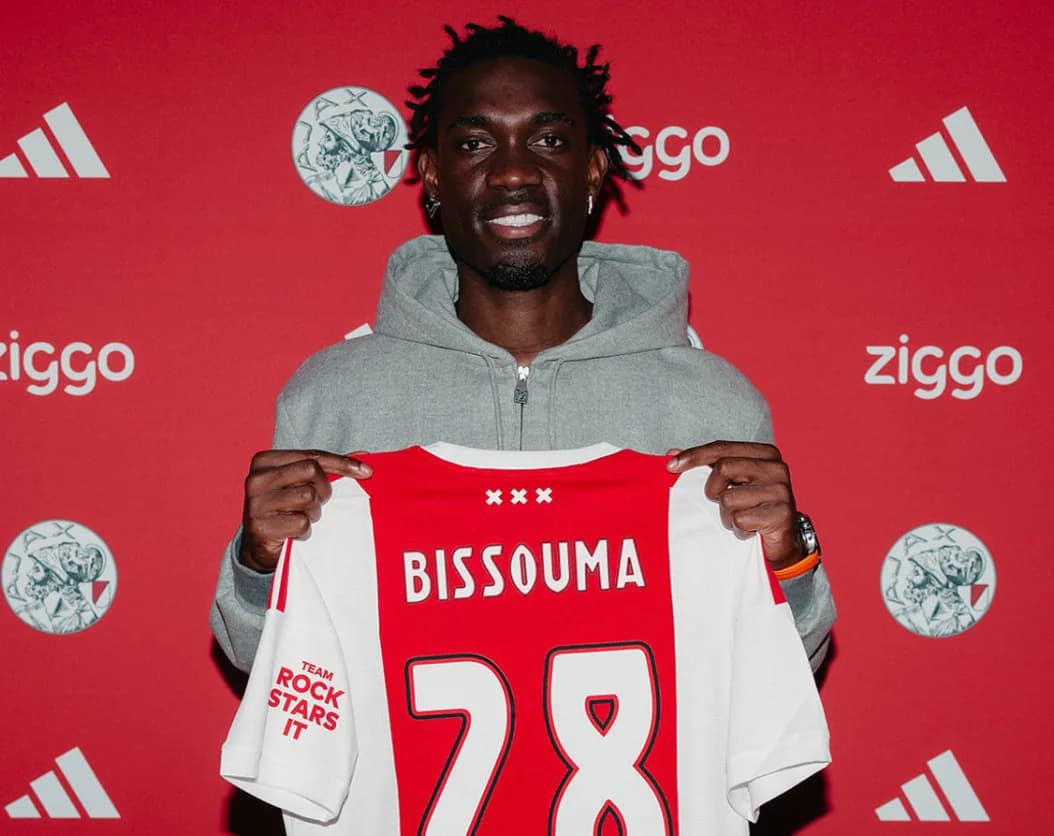
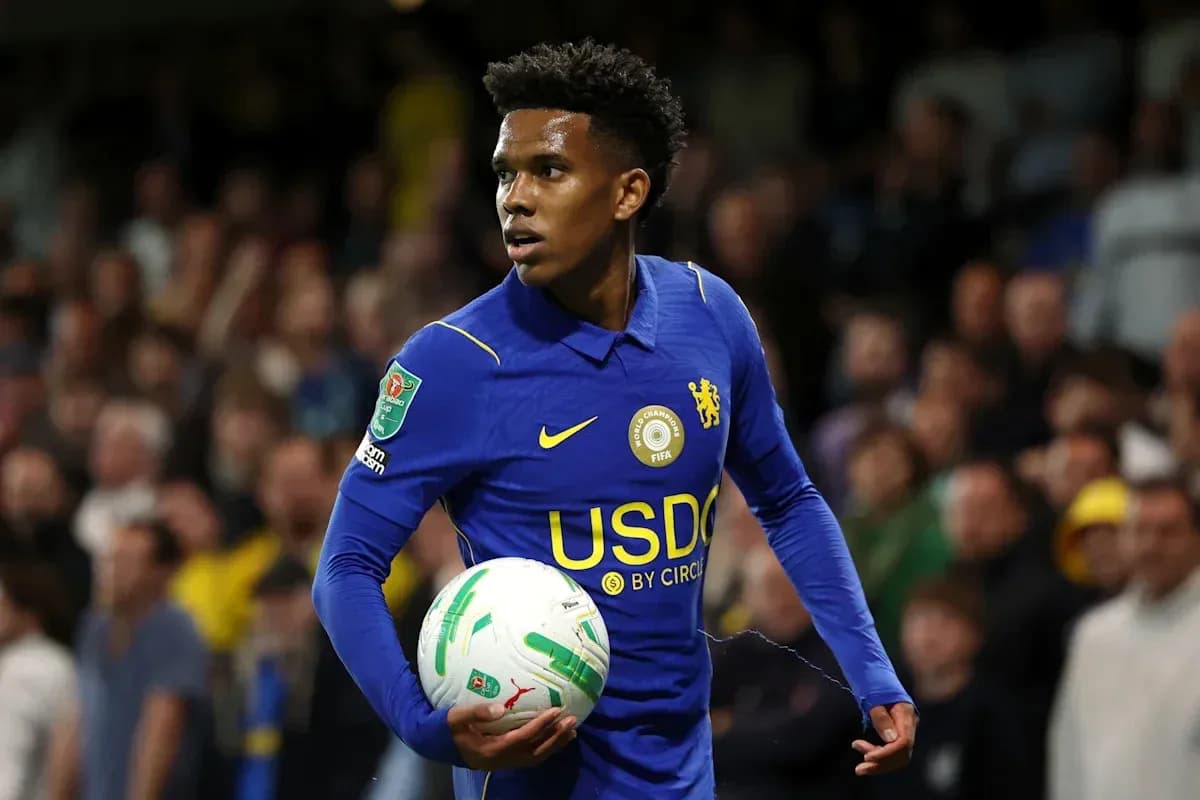
Youri Tielemans arrived for £35 million, a figure locked in by his clause. That made him £90 million cheaper than Enzo Fernandez, a player whose price once set the standard for elite midfield deals. Andrey Santos cost £77 million less than his former Chelsea teammate, despite the Brazilian spending most of his time at Stamford Bridge on the bench while the Argentinian started.
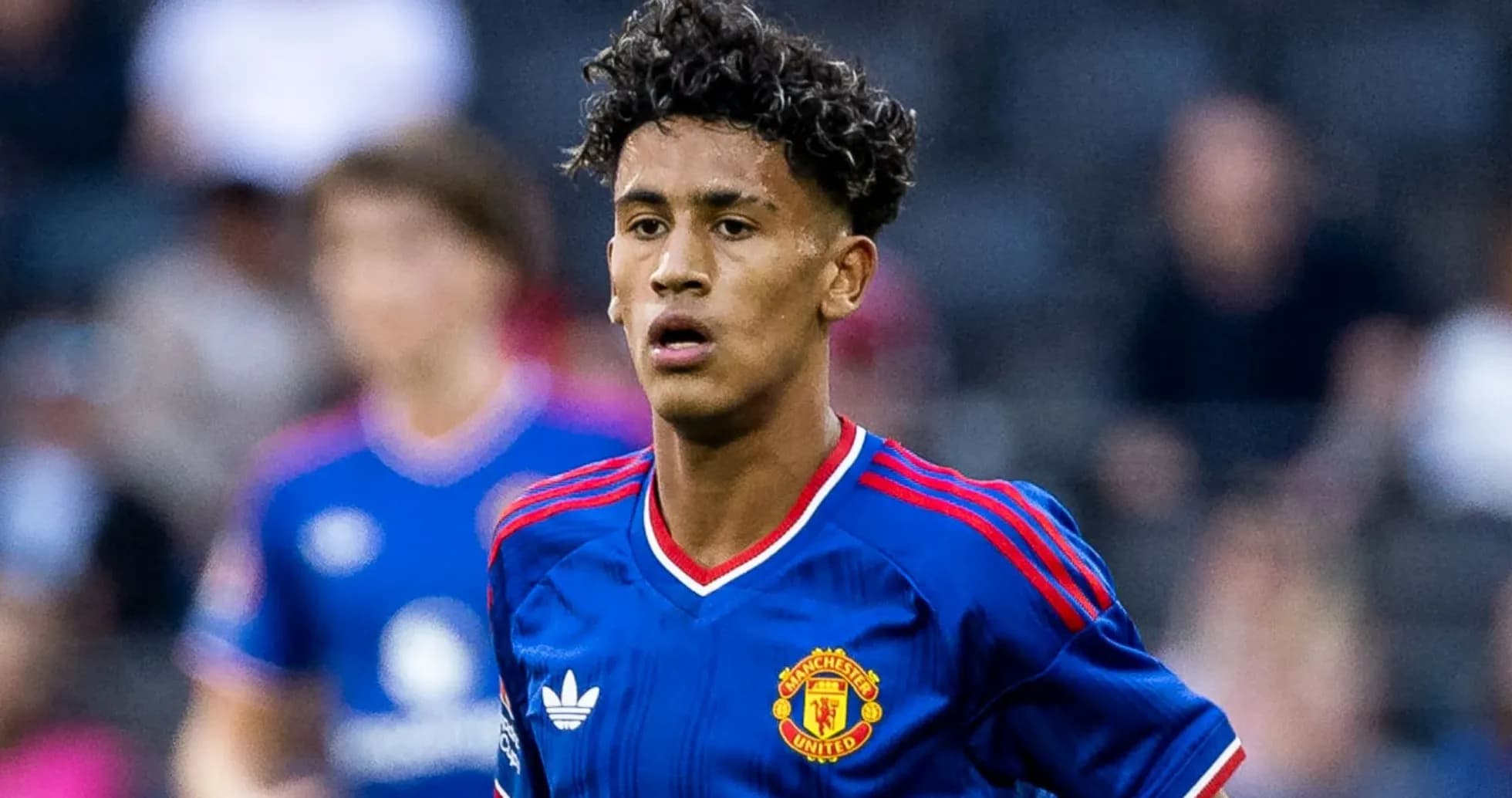
Carlos Baleba was the priciest of the trio at an initial £65 million. Even then, he ranked only as the 10th most expensive signing by a Premier League club this summer. For United, that is a remarkable sentence in itself.
This is what a reset looks like at Old Trafford: a team top of the form table under Carrick, but stuck in mid-table when the chequebooks are tallied. The question now is whether this leaner, more selective United can stay where it really counts – at the top of the league – without spending like the club they used to be.