.svg&w=384&q=75 "Naijagoal logo")

Marcus Rashford's Uncertain Future Ahead of World Cup
Marcus Rashford’s summer is drifting towards something every elite footballer dreads: waiting. Waiting for calls, for clarity, for a decision on where he will actually play his club football next season – all while he is widely expected to start England’s World Cup opener against Croatia on 17 June in Dallas.
For a forward of his profile and pedigree, this is an odd kind of limbo. Yet it is entirely in keeping with the turbulence that has defined his career since Ruben Amorim, then Manchester United head coach, froze him out of first‑team plans in December 2024. That decision triggered a sequence of loans – first Aston Villa, then Barcelona – and still Rashford stands on uncertain ground, wondering if the roots he has tried to lay down in Catalonia will ever truly take.
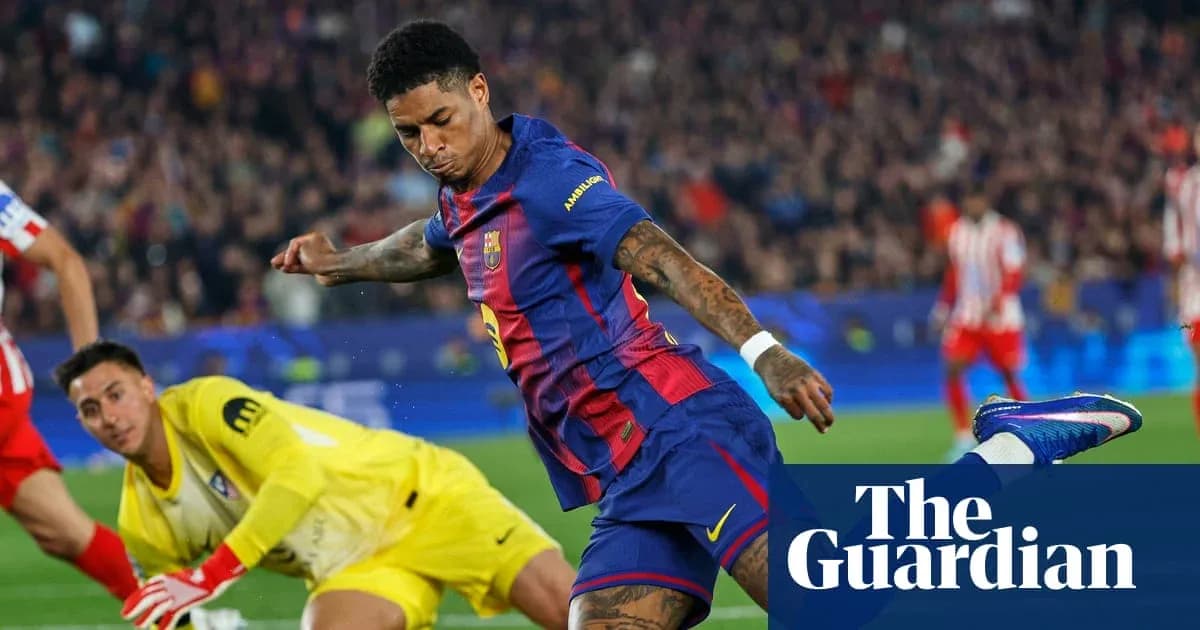
At Barcelona, he has at least carved out moments that felt like turning points. None more so than the free-kick against Real Madrid earlier this month, the one that swung a clásico and helped clinch La Liga. It was the kind of strike that usually settles arguments about a player’s future. Rashford might reasonably have thought so.
He certainly sounded like a man who wanted the story to continue. After scoring against Real on 10 May, he did not hide his preference. “I am not a magician but if I was, I would stay,” he said. “We will see.” The message was clear: he wants Barcelona. The problem is that Barcelona, at least for now, do not decisively want him back.
Their intentions are blurred. The £69m signing of Anthony Gordon from Newcastle last week only muddies the picture, another left-sided attacker arriving to compete for the same real estate on the pitch. If Barça pursue Rashford again, it currently looks like it would be on the same terms as before – a loan, not a commitment. Manchester United, by contrast, are insisting on a £26m permanent fee as they look to bank something, anything, on an academy product whose contract runs until May 2028.
That relatively modest price for a 28-year-old forward in his prime years tells its own story. Behind the fee sits the real issue: Rashford’s £17.5m-a-year salary and the £35m still owed on his deal. United want the wage off their books. Any club taking him on loan would be expected to shoulder all, or most, of that cost. A permanent move would almost certainly come with a pay rise. For Barcelona, already dancing around financial restrictions, it is a heavy equation. Right now, there is no sign they are ready to solve it in Rashford’s favour.
So where else can he go?
Even with Amorim gone and Michael Carrick stepping in as permanent manager, the door at Old Trafford appears firmly closed. Inside the club’s new power structure, Rashford remains unwelcome. Sir Jim Ratcliffe, the minority owner with control of football policy, has little appetite for a reconciliation. Nor do Jason Wilcox, the director of football, or Omar Berrada, the chief executive. This is not a minor disagreement. It is a hard line.
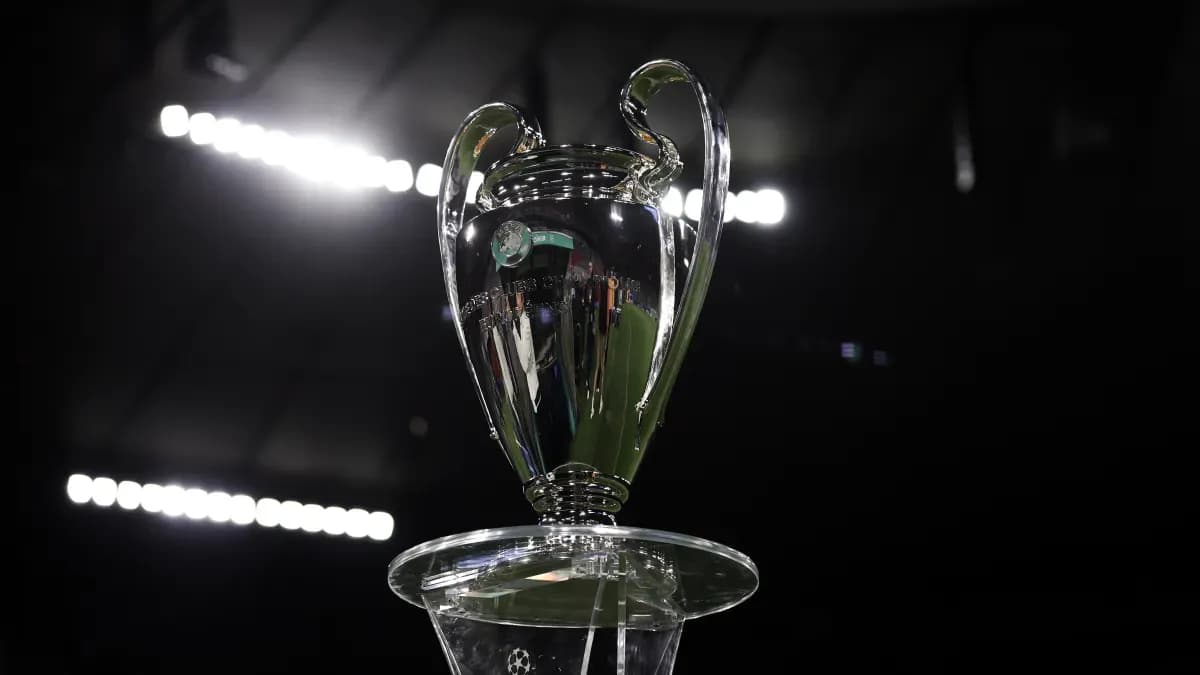
That forces Rashford to scan the landscape. When his loan at Villa ended last summer, his aim was clear: a Champions League club, but not in London. If that stance has softened, Arsenal immediately come into focus. For Mikel Arteta, Rashford would represent a serious upgrade on Leandro Trossard and Gabriel Martinelli as a left-sided option for the Premier League champions, while his ability to operate as a No 9 would add another twist to a forward line already featuring Kai Havertz and Viktor Gyökeres.
The logic holds at Liverpool. Cody Gakpo is their only senior, natural option from the left and his output last season was unremarkable. If Liverpool decide they need a sharper edge in that channel, Rashford’s situation becomes very interesting. Would his disillusionment with United cut deep enough for him to cross one of English football’s most entrenched divides and walk into Anfield?
Villa remain a compelling possibility. Under Unai Emery, Rashford thrived, especially under the lights of the Champions League. He looked liberated there, decisive and dangerous, and the relationship with the coach seemed to suit him. If he wants familiarity and a platform he already knows he can dominate, Villa Park ticks several boxes.
There is always the lure of the continent. Paris Saint‑Germain have admired Rashford in the past, but their left flank now belongs to Khvicha Kvaratskhelia, one of the outstanding wide forwards in the world. At Bayern Munich, Luis Díaz occupies that territory. At Real Madrid, Vinícius Júnior is immovable. The elite left-wing seats in Europe’s superclubs are, for now, taken.
So the market will move slowly. The transfer window opens on 15 June, but Rashford’s future may not snap into focus straight away. The numbers are awkward. The personalities involved are strong. And overlaying everything is the World Cup, which should command his full attention but will inevitably double as a shop window. United can block any proposal they dislike. Rashford can veto any destination that does not fit his ambitions. Between those two positions lies a standoff that potential buyers will have to navigate carefully.
The enigma of Rashford only adds to the hesitation. Eight goals and nine assists in La Liga last season is respectable but not spectacular, a return that helps explain Barcelona’s reluctance to commit long term. They have seen flashes, not a sustained blaze.
That could change in a heartbeat. Imagine England’s World Cup campaign catching fire with Rashford at its centre, the same way he lit up that clásico. In that scenario, £26m plus a top-end salary stops looking like a gamble and starts to resemble a bargain. The question is who will be bold enough to move first – and whether Rashford’s next act finally brings him the stability his talent has long demanded.