.svg&w=384&q=75 "Naijagoal logo")

Manchester United's Silent Struggles: Carrick and Wilcox Under Pressure
The boos came first. Then the silence. Old Trafford watched Manchester United limp out of the Carabao Cup on Wednesday and responded with a mix of anger and indifference that felt as damning as any banner or walkout.
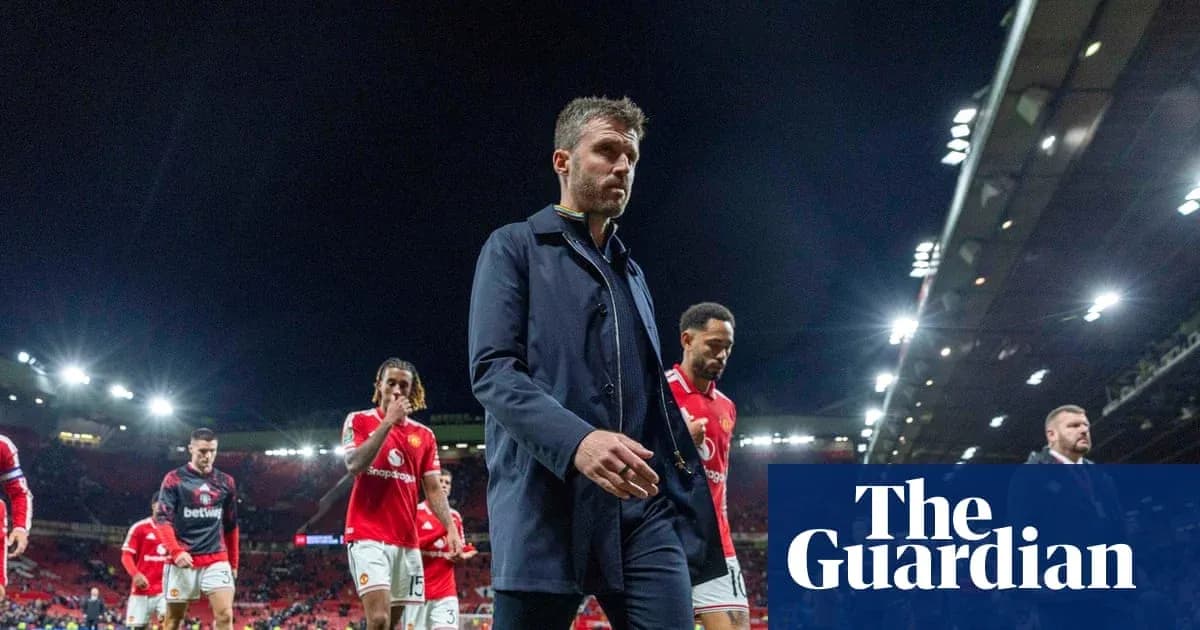
Michael Carrick stood in the firing line. So did his players, trudging off under the sound of jeers. Up in the directors’ box, Jason Wilcox wore the look of a man who had seen enough, yet the director of football and those above him cannot pretend this is someone else’s mess. They helped build it.
This is how football works. Supporters judge in real time. They know what they are watching and they make sure the people whose wages they believe they fund hear about it. Carrick and his squad are the public face of United – rolled out for interviews, fronting sponsor campaigns, answering for everything that goes wrong.
The modern head coach is treated as the lightning rod for all ills, from a misfiring press to a misjudged transfer window. But the roots of United’s problems stretch far beyond the dugout.
Carrick only came back to the club in January. The broader strategy, such as it is, has been shaped by others over a longer period, with the head coach slotted into a structure already creaking. That does not spare him pressure. Lose at Fulham on Sunday and it will intensify sharply.
United’s support understands where the power really lies. Protests against the Glazer family and Sir Jim Ratcliffe have become part of the background noise. Fans know that not every misplaced pass or sloppy concession is on the man in the technical area. The boos are for the night. The apathy is for the years.
It stings to see a club back in the Champions League outspent in the summer by promoted sides, but that is where years of financial mismanagement have left United. Every pound now has to work harder. It rarely does.
The 3-2 defeat by Brighton told its own story. Two goals up inside 10 minutes, United then disappeared. For the remaining 80, they were passengers, deservedly beaten by a Brighton team that had rotated yet still looked sharper, smarter, more coherent.
Brighton’s squad is a monument to clever scouting and joined-up recruitment. This summer alone they bought from clubs in seven different countries. United, by contrast, restricted themselves to four signings from fellow Premier League sides. Risk-taking, imagination, the willingness to search beyond the obvious – these qualities have become scarce at Old Trafford.
The irony? The best bit of business last summer was Senne Lammens from Royal Antwerp, in terms of value and consistency. A rare example of the kind of opportunism United used to be known for.
Carrick and Wilcox, as a partnership, cannot truly be judged until Carlos Baleba is fit and available. The most expensive of the three summer recruits, Baleba has the mobility and physical profile United have badly lacked in midfield. Targeting that area after Casemiro’s departure and Manuel Ugarte’s struggles made sense. The problem was thinking that was enough.
Inside the club, there was an acceptance that the squad had issues across the pitch. Yet the window closed with £155m spent on three players for the same area. The lack of variety in the rebuild looked naive at the time and is being exposed now.
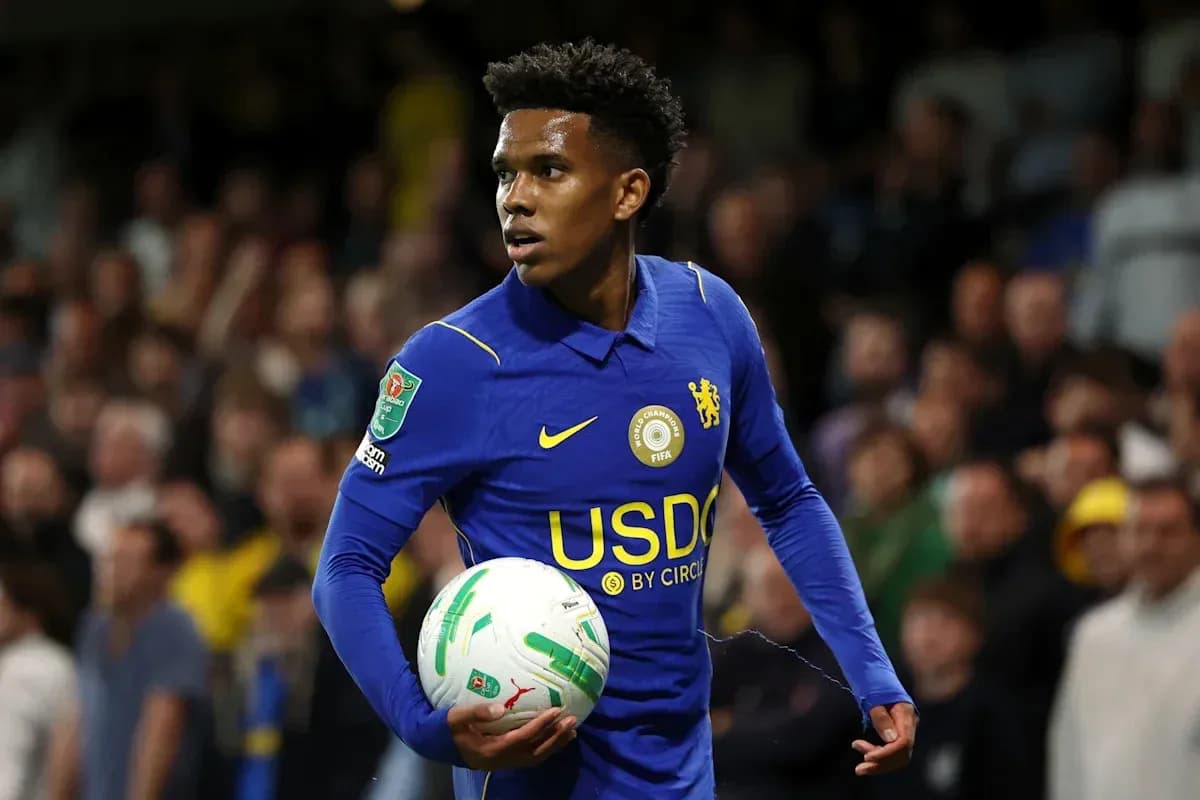
Buying from other Premier League clubs is almost always expensive. The trade-off is supposed to be reduced adaptation time. Even then, the balance of the squad feels skewed. With a left-back shortage entirely foreseeable and Joshua Zirkzee failing to convince, finding a cheaper midfield option than the £50m Andrey Santos might have freed up funds to address other glaring needs.
Someone at United needs to front up and explain the logic. Why commit that level of resource to one position while leaving Carrick to cobble together a plan B when Luke Shaw, as many expected, succumbed to injury again?
Wilcox has spoken publicly before, but only on his own terms. On 30 October 2025, with United on a three-game winning run, he sat down with the club’s in-house media and outlined a long-term vision. Just over two months later, that plan was ripped up when Ruben Amorim was sacked.
When the mood is good, Wilcox talks. When it sours, he retreats to statements about dismissals. Across Europe, sporting directors routinely explain strategy, address criticism and share responsibility. In the Premier League, that culture has yet to take hold. At United, with the team sitting 13th, the silence from upstairs grows louder by the week.
Wilcox’s journey to this point matters. He arrived from Southampton in 2024, originally as technical director, and played a part in the decision to stick with Erik ten Hag after an eighth-placed finish. Ten Hag did not survive the poor start to the following season.
Amorim came next, hired from Sporting despite a tactical approach that never truly matched the squad he inherited. The money to reshape that squad never materialised. United slid to 15th and lost a Europa League final tamely to Tottenham. After 14 months of underachievement, Amorim went the same way as Ten Hag. Wilcox, though, remained in place and was handed another chance to get it right.
Carrick has not made the most of that chance so far. He is not blameless and nobody around the club pretends otherwise. Thrashings of promoted Ipswich and Azerbaijani side Sabah cannot disguise a limp start to the league campaign.
Seven goals conceded in four Premier League games tell their own tale. Against Brighton, the central defensive pairing of Leny Yoro and Ayden Heaven looked out of their depth, their partnership veering towards calamity. Ahead of them, the forward line has rarely looked like a unit, more a collection of individuals trying to solve problems alone.
Wilcox’s reputation before United was strong. As Manchester City’s head of academy, he earned glowing reviews from those who worked with him and was widely regarded as ideally suited to youth development and long-term planning. At United, under the harsher glare of first-team scrutiny, every decision is pulled apart.
The possible departure of JJ Gabriel would only sharpen that criticism. Yet, on this issue, Wilcox has done what he can, investing time and effort in persuading the teenager and his inner circle that his future lies at Old Trafford. If Gabriel goes, the frustration will be loud, but not every failure can be pinned on one man.
Power at United comes with a heavy weight. Only some are made to carry it. Ten Hag and Amorim have already paid the price for failure. Others, higher up, have continued almost untouched.
Carrick and Wilcox are tied to the same results, the same table, the same restless fanbase. Both are deeply invested in making this work. Right now, though, only one of them looks likely to feel the full force of the consequences if United keep sliding.