.svg&w=384&q=75 "Naijagoal logo")

Luis Enrique's Impact on Player's Transition to PSG
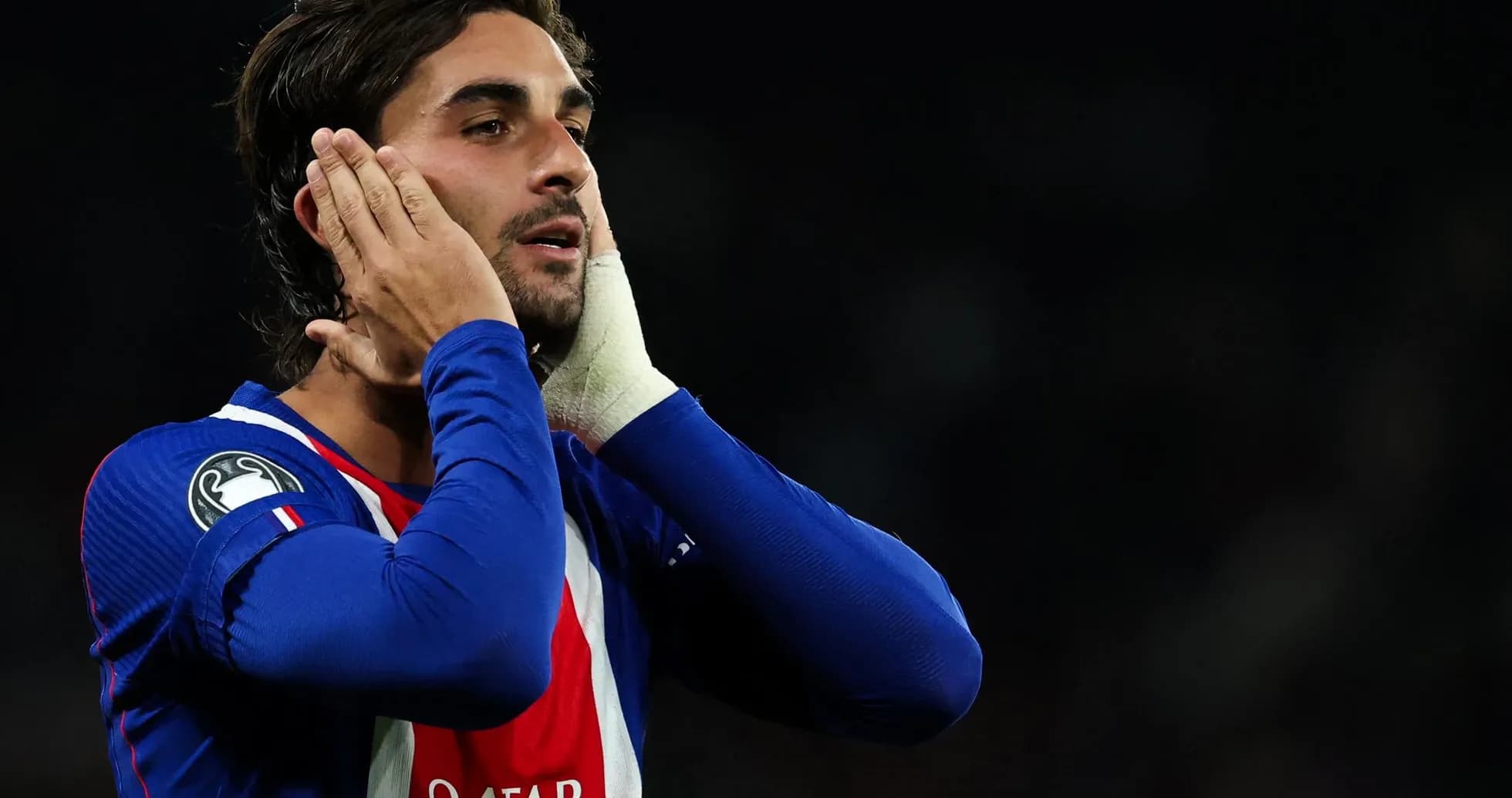
The move away from Catalonia last summer was always going to sting. Not on the pitch – that part has looked almost effortless – but in everything that comes with tearing up a life at 26 and starting again in another country.
New streets. New language. New rhythms to the day. The kind of things that don’t show up on a stat sheet but can weigh on a player’s shoulders far more than a packed stadium.
At the Parc des Princes, though, he didn’t walk into a cold room. Luis Enrique was waiting – the coach he openly sees as a father figure in football – ready to fold him back into a familiar system. Around him, Spanish voices: Fabian Ruiz, and Dro Fernandez, another who once came through La Masia. The dressing room of back-to-back European champions suddenly felt a lot less foreign.
The transfer itself barely gave him time to breathe. One moment he was settled in La Liga, the next he was gone. Bags packed, life boxed up.
“It’s difficult: one day you’re here and the next you’re packing your bags,” he admitted, summing up the chaos that modern football business can unleash on a player’s world. He still found room for a joke, though, when talk turned to the friends he had left behind. “The only one I can’t bring with me is Pedri,” he laughed, a line that carried both affection and acceptance.
If there were any doubts about how he would cope on the pitch, they evaporated almost instantly. Seven goals in his first six games. Not just numbers, but statements. Each finish another reminder that Enrique hadn’t just brought in a familiar face – he’d imported a focal point.
That explosion of form arrived on the back of a summer he will never forget. On the biggest stage of all, with a World Cup final hanging by a thread, he supplied the decisive touch in Spain’s 1-0 win over Argentina. One strike, one trophy, a lifetime’s worth of replays.
Those twin pillars – World Cup glory and a ruthless start in Paris – have pushed him onto the 30-man Ballon d'Or shortlist. He sits there alongside a new generation and an established core of Spanish talent: Lamine Yamal, Pau Cubarsi, Marc Cucurella, Rodri, and PSG team-mate Ruiz.
The spotlight naturally turned to the award. He batted it away. No campaigning. No grand speeches.
“Whoever’s meant to win it will win it; it’s not up to me,” he said, before adding the one wish he would allow himself: “If a Spaniard wins it, so much the better.”
For now, his reality is simpler and far more unforgiving. Keep scoring. Keep starting. In Enrique’s system, sentiment doesn’t secure a place in the XI – goals do. Maintain this streak and he doesn’t just tighten his grip on a shirt in Paris; he strengthens his own standing in the game and drives PSG’s push for more domestic dominance and another crack at Europe.
He has already shown he can handle the shock of a sudden move and the weight of a World Cup final. The real test now is whether he can live at this level every three days, with a club and a country expecting him to deliver on command.