.svg&w=384&q=75 "Naijagoal logo")

KNVB Pursues Roberto Martínez as Next Head Coach
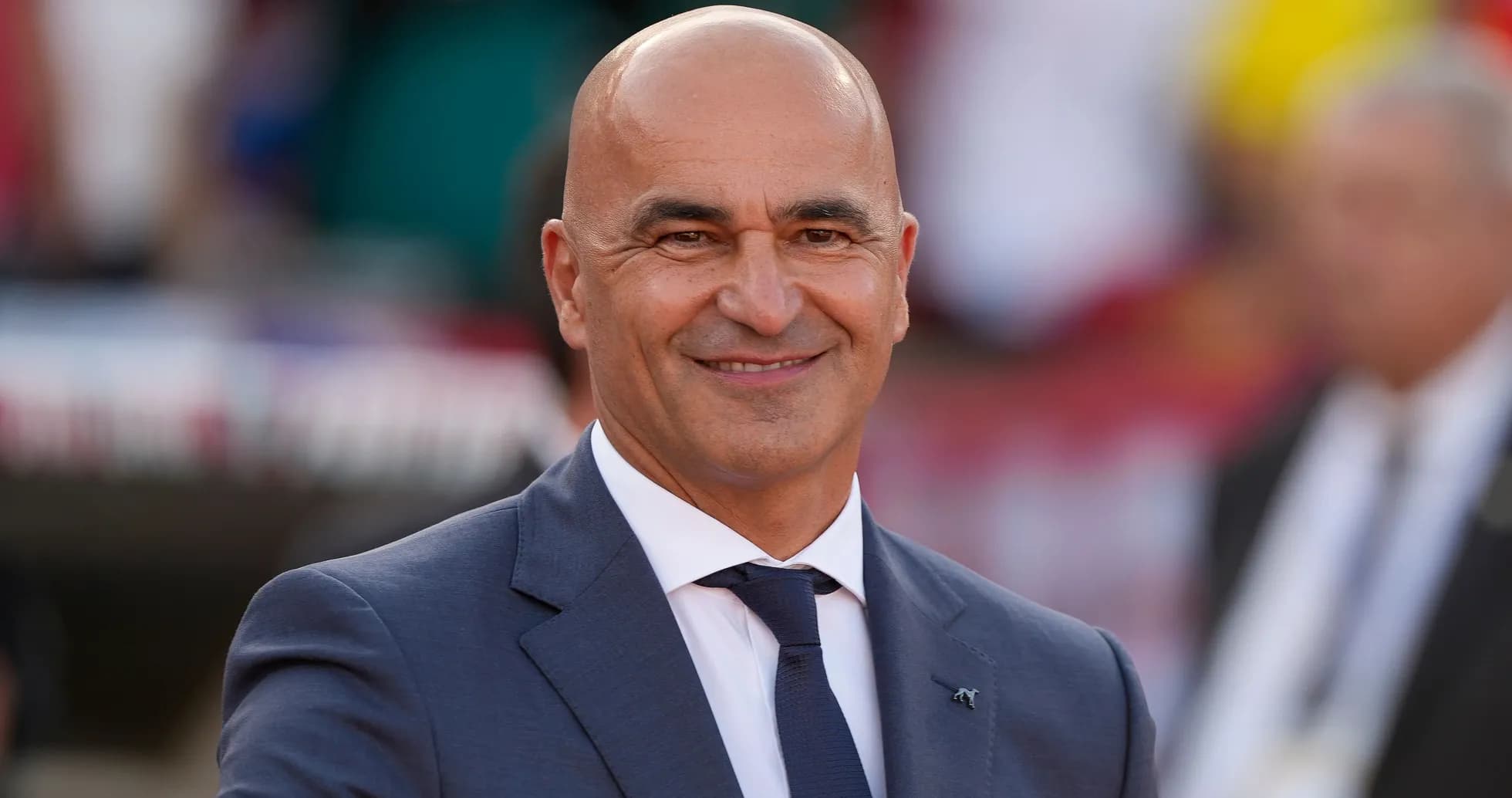
The KNVB has broken with tradition in its hunt for the next Netherlands head coach, holding direct talks in Málaga with 53-year-old Spaniard Roberto Martínez, according to De Telegraaf.
Technical director Nigel de Jong travelled to Spain for a face-to-face meeting with the former Belgium and Portugal boss, a move that underlines just how far the Dutch federation is prepared to go after a string of setbacks with homegrown candidates.
KNVB turns abroad after Dutch candidates fall away
The federation’s first plan was clear: keep the job Dutch. That idea has unravelled quickly.
Peter Bosz, Arne Slot and Erik ten Hag – three of the most prominent names in the modern Dutch coaching landscape – have all pulled out of the race for professional reasons. Each withdrawal narrowed the field. Each one pushed the KNVB closer to a decision it has avoided for almost 50 years.
If Martínez is appointed, he would become the first foreign coach of the Oranje since Austrian Ernst Happel, who led the Netherlands to the 1978 World Cup final. Since Happel’s departure, the most coveted job in Dutch football has been ring-fenced for Dutch managers only.
That unwritten rule is now under direct pressure.
Why Martínez fits a very Dutch puzzle
On paper, Martínez is an outsider. Spanish passport, foreign career, no direct roots in Dutch club football.
Inside the KNVB, the view is more nuanced.
Martínez is seen by some as a natural extension of the Dutch school rather than a break from it. He is a close friend of Jordi Cruijff and a long-time admirer of the Johan Cruijff philosophy that shaped Ajax, Barcelona and the national team’s identity. His tactical ideas, emphasis on structured possession and positional play are considered compatible with the Oranje’s traditional approach.
For a federation caught between history and necessity, that blend of foreign experience and Dutch-style thinking has real appeal.
Slot steps back – and explains why
While Martínez has moved to the front of the queue, Arne Slot has stepped away from it – and felt compelled to clarify his reasons.
The 47-year-old had been in the frame to take over his national team but withdrew, prompting reports that he had rejected the job over salary demands and contract length. Slot has publicly dismissed that version of events, insisting talks never reached that stage.
“Over the past few weeks, and particularly the past few days, various reports have appeared regarding the vacancy at the Dutch national team, suggesting that I had withdrawn from the process after lengthy negotiations, including regarding salary and contract duration. That speculation is incorrect. We simply never reached that stage of the talks,” Slot said.
“At this stage of my career, I prefer to see myself on the training pitch with my players every day. Something that is simply not possible in the same way with a national team.”
His statement cuts through the noise. This is not a story of a deal collapsing at the table, but of a coach who wants the daily rhythm of club football more than the intermittent intensity of international work.
Internal options considered, but momentum lies elsewhere
The KNVB has not only looked abroad. It has also tested the waters closer to home.
De Jong and Clarence Seedorf, together with director of professional football Marianne van Leeuwen, held an exploratory meeting with Jong Oranje coach Michael Reiziger at the Okura Hotel in Amsterdam. The conversation took place just before the Johan Cruijff Schaal clash between PSV and AZ, a symbolic backdrop for any discussion about the future of Dutch football.
For now, that path appears to have cooled. Reports indicate there have been no follow-up talks with Reiziger, a clear sign that the federation is not ready to fast-track him into the top job.
The momentum has shifted elsewhere – straight toward Martínez.
Van Gaal left on the sidelines
All of this has unfolded against a familiar chorus from the stands: calls for Louis van Gaal.
The 75-year-old, who has already had three spells in charge of the national team, remains hugely popular with a large section of the Dutch public. Many fans see him as the safest pair of hands in a turbulent moment.
The KNVB, though, has taken a different route. According to reports, the federation has not contacted Van Gaal about returning for a fourth stint. His omission from the process has stirred controversy and sharpened the debate about what the Oranje need next: a proven saviour from the past or a bold, modern appointment.
For the first time since the days of Ernst Happel, the Netherlands stand on the verge of entrusting their national team to a foreign coach. The question now is simple and loaded: will the guardians of Dutch football break their own tradition to chase a new era under Roberto Martínez?