.svg&w=384&q=75 "Naijagoal logo")

José Mourinho's New Era at Real Madrid: Tactical Overhaul and Star Signings
José Mourinho has walked through the doors at Valdebebas and, almost overnight, Real Madrid look and feel like a different club.
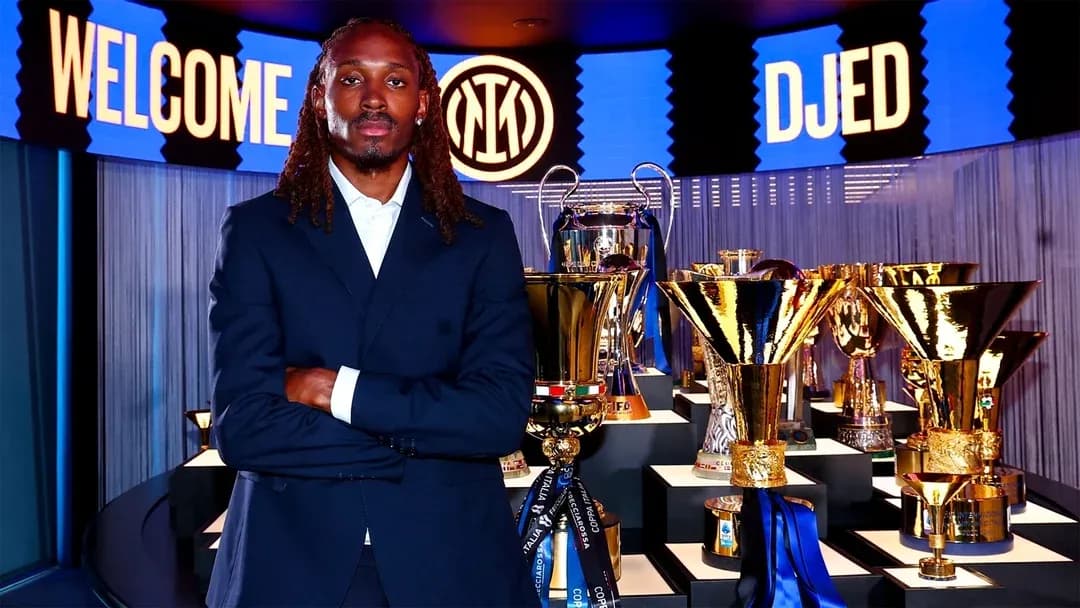
Álvaro Arbeloa is out, Mourinho is in. Marc Cucurella, Bernardo Silva, Ibrahima Konaté, Denzel Dumfries, Carlos Espí and Yan Diomande have arrived. Add them to a squad that finished last season eight points behind Barcelona, empty-handed again, and the message is clear: Madrid are not planning to live through a third year without a major trophy.
That 2-0 defeat in the Clásico at Camp Nou on May 10, the night their last hope of silverware vanished, now feels like a line in the sand. This is the reset.
A new shape, a new star signing, a new Madrid
The first big change is on the tactics board. The old 4-3-3 that defined Madrid for years is being pushed aside. Mourinho’s preseason trials point firmly to a 4-2-3-1: a double pivot, Jude Bellingham as the No. 10, and a front line built around Kylian Mbappé and Vinícius Júnior.
And then there is Diomande.
More than €125 million for a 19-year-old winger is not a footnote. It is a declaration. That fee alone suggests the attack and midfield structure will bend around him at some point, even if he doesn’t start the season as an automatic pick.
Madrid begin their LaLiga 2026-27 campaign later than most, away to Espanyol on Aug. 22. Between now and then, Mourinho’s biggest puzzle sits on the right flank.
Right wing or right balance?
Three names are inked into the front four. Mbappé through the middle. Bellingham behind him. Vinícius Júnior, fresh from signing a new long-term deal, on the left.
The problem – or luxury – is on the other side.
Mourinho can go with Diomande as a pure right winger, stretching the pitch and turning Madrid into a transition machine. Or he can sacrifice that speed for an extra midfielder on the right, looking for more control and balance.
If he chooses the second path, Bernardo Silva and Arda Güler step into the frame. Both can operate from the right, drifting inside to overload midfield, leaving Diomande – the most expensive signing in the club’s history – watching from the bench. For a teenager, how quickly he adapts to the demands and pressure of Real Madrid will dictate how long that scenario lasts.
With Diomande on the pitch, Madrid gain raw pace, direct running, chaos for defenders. With Silva or Güler, they gain pause, craft, the ability to dictate rhythm. The contrast is stark.
There is a third way. Federico Valverde has already shown he can play as a right-sided workhorse, offering defensive cover and vertical runs. But under Mourinho, the new club captain looks set to return to his natural habitat in central midfield, at least to start.
One more knock-on effect: if Diomande starts, Dumfries benefits. The Ivorian’s aggressive attacking game would demand more defensive support behind him, and Dumfries, with his engine and physicality, is built for that lane.
The double pivot: Valverde’s job to lose?
Behind that attacking quartet, the spine changes shape. The double pivot is non-negotiable in Mourinho’s plan, and Aurélien Tchouaméni stands at the heart of it.
After Madrid failed to land Rodri from Manchester City, the France international has effectively become the only true positional holding midfielder in the squad. That alone makes him one of the first names on the teamsheet.
The question is who plays next to him.
Mourinho has four options: Valverde, Silva, Güler and academy graduate Thiago Pitarch. Given their profiles, Valverde looks the most natural partner. His range, intensity and defensive work make the midfield harder, more solid, better equipped for big away games and high-pressure nights.
When Madrid expect to dominate the ball, the equation changes. That is where Silva comes in. His ability to drop deep, carry the ball out and pick passes through lines offers a more creative, risk-taking version of the double pivot. The team might lose some steel, but they gain a conductor.
Güler sits as the wild card. The Türkiye international is pencilled in as Bellingham’s understudy in the No. 10 role, yet he already showed under Xabi Alonso last season that he can operate from deeper positions. If Mourinho wants to tilt the team heavily towards attack, Güler can slide into midfield and turn the 4-2-3-1 into something far more adventurous.
Then there is Pitarch. He does not have the star power of the others, but Mourinho values him. The energy, stamina and dynamism he displayed under Arbeloa have not gone unnoticed. He may not start the season as a regular, but he is close enough to the core to step into the rotation at any time.
Cucurella, Dumfries and a rebuilt back line
If the attack looks explosive and the midfield is being reshaped, the defense is undergoing its own quiet revolution.
On the left, Cucurella is set to own the position. His arrival pushes Álvaro Carreras into a backup role and leaves Ferland Mendy, so often sidelined by injury, facing a marginal place in the squad.
At center-back, the picture is less settled. Dean Huijsen and Antonio Rüdiger are expected to start, but the plan does not end there. Madrid are banking on Konaté’s signing and Éder Militão’s full return to lift the defensive level, giving Mourinho the depth and variety he craves.
Raúl Asencio, who benefited from last season’s thinner options, will inevitably slide down the hierarchy once Konaté and Militão are fully integrated.
On the right, Dumfries brings power and aggression, a full-back made for Mourinho’s football. Paired with a winger like Diomande, that flank could become one of the most direct and dangerous in Europe. Paired with a technician like Silva, it could offer a different balance: overlaps, underlaps, and positional rotations that pin opponents back.
All of it feeds into one central question as Madrid head to Espanyol: with a new coach, a new system and a raft of high-profile signings, how quickly can this version of Real Madrid turn potential into trophies?