.svg&w=384&q=75 "Naijagoal logo")

Jordi Alba: From Full-Back Conversion to Barcelona's Heartbreaks
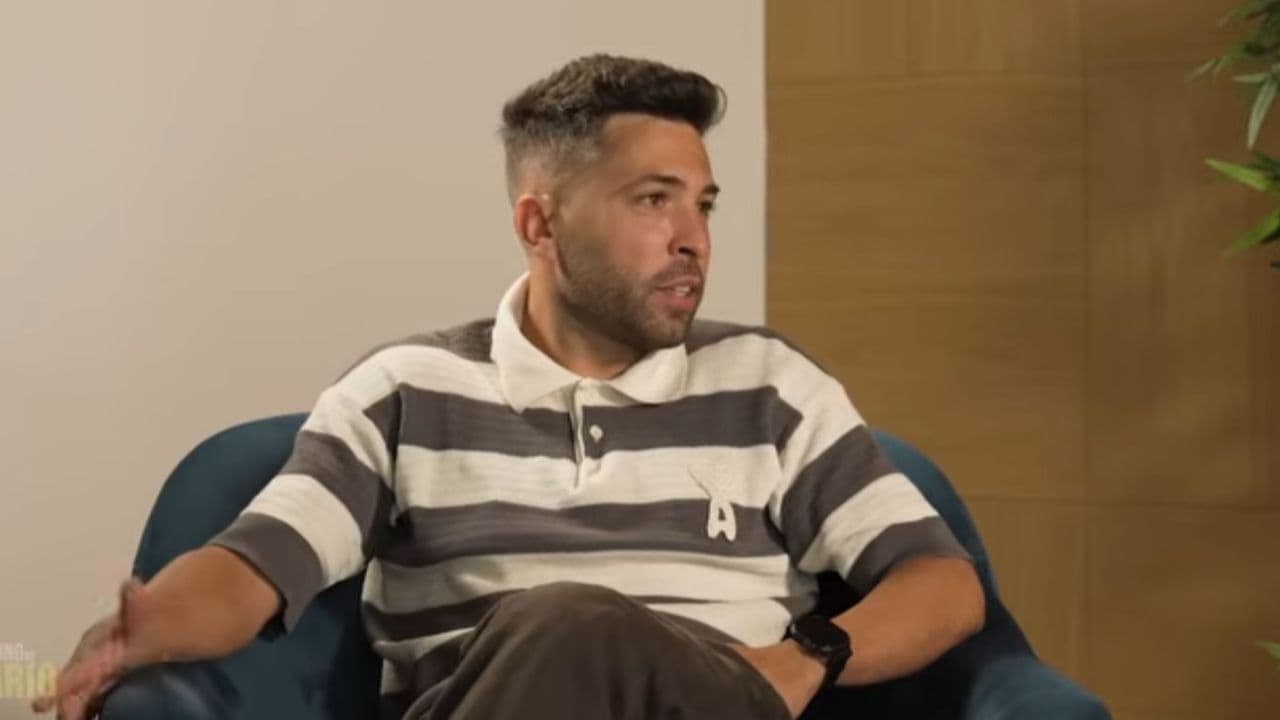
Jordi Alba has lived the full spectrum of elite football: titles, tears, adoration, and the brutal side of club politics. On Mario Suarez’s podcast, El Camino de Mario, the former Barcelona left-back peeled back the curtain on a career that rarely allowed for calm.
Emery, the conversion and a career reborn
Alba did not grow up dreaming of being a full-back. He was pushed there.
"I owe my career to Unai Emery. I was playing as a winger until Unai converted me," he said. The change did not come wrapped in romance. "Initially, I didn't take to the full-back role particularly well, but Emery is world-class. He has a knack for extracting the absolute best from his players at every club he leads."
That switch turned a quick, attacking wide man into one of the defining left-backs of his generation. The reluctance faded. The trophies followed.
“It was stolen”: the 2014 title that still stings
Not every memory carries a medal. Some leave a scar.
Reflecting on the 2014 La Liga finale, when Atletico Madrid clinched the title at Camp Nou, Alba’s voice still carries an edge. "It was stolen! Mateu Lahoz was the official that day, wasn't he? My word..." he recalled.
No diplomatic language. Just the raw feeling of a player who watched a league slip away on his own pitch and still believes something fundamental went wrong.
Luis Enrique, the architect of a juggernaut
If Emery reshaped his position, Luis Enrique shaped his peak.
"For me, Luis Enrique is the standout," Alba said. "He ensures every player is pulling in the same direction, even those on the fringes. You feel a genuine sense of joy for your teammates and the collective. Not many managers can foster that environment; in that sense, he's a genius."
That environment produced a team that, for a time, felt beyond reach for everyone else. Alba points to one season in particular.
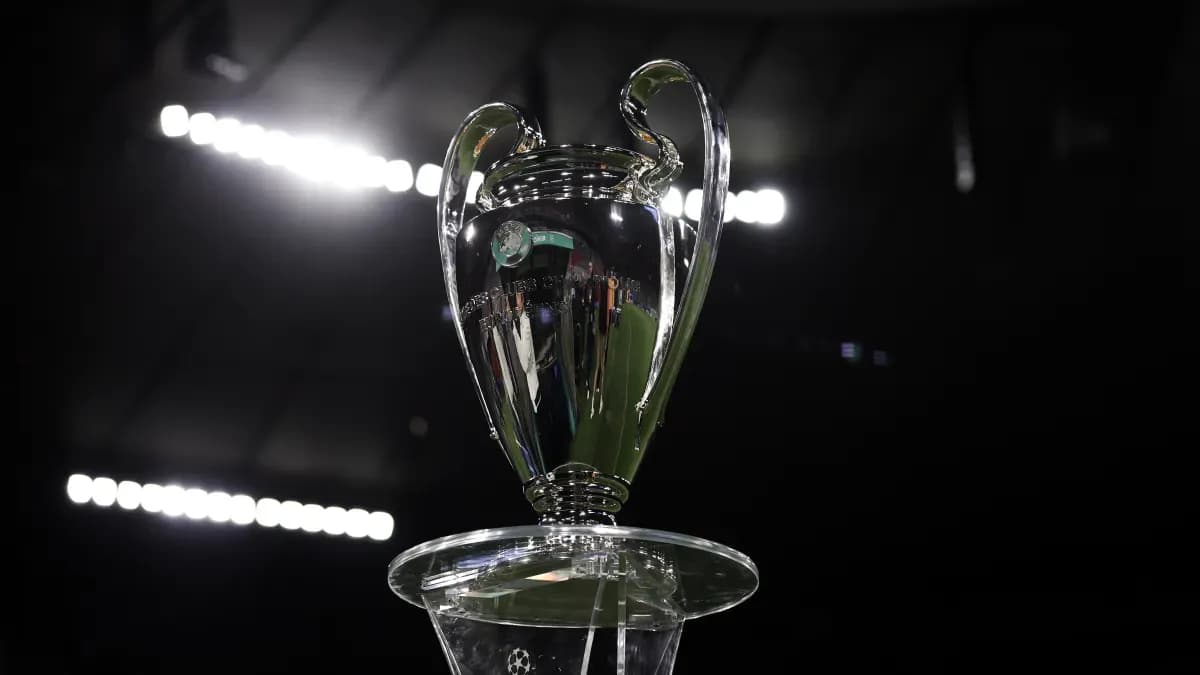
"2015, when we secured the Champions League under Luis Enrique, was the only year I felt we were truly untouchable," he remembered. Before the final, he told his agents: "Relax, we're going to win." Then he underlined it. "It wasn't arrogance; it was pure conviction. We were invincible."
That was the height of the Luis Enrique era: a dressing room aligned, a front line terrifying, and a left-back who knew, deep down, that nobody could live with them.
Xavi’s turbulent inheritance
The tone shifts when Alba talks about Xavi. Less nostalgia, more respect for a friend thrown into chaos.
"Xavi Hernandez inherited the reins during a very turbulent period," he said. "He stepped up to the plate and did a fantastic job. We secured La Liga and the Supercopa against Real Madrid, and he managed the dressing room expertly during my time there."
It was not the Barcelona of 2015. The finances were broken, the squad in flux, the pressure suffocating. Yet Alba credits Xavi with restoring order and delivering trophies when the club desperately needed a sense of direction.
Anfield: the night that won’t go away
Every great Barcelona era seems to carry one haunting European collapse. For Alba, Anfield 2019 is the one that lingers.
"I made a mistake with a header back for the opening goal," he admitted. "It was a golden opportunity to reach the final, and I'm certain we would have won it."
The narrative that followed painted a picture of a broken player at the break. Alba wanted to correct that. "People claimed I was in tears at half-time, but that wasn't the case. I just felt physically sick."
That distinction matters to him. Not a player collapsing emotionally, but a professional who knew, even in the moment, that one error had opened the door to one of the most brutal comebacks in Champions League history.
The exit: 24 hours’ notice and no plan
If Anfield hurt on a sporting level, his Barcelona departure cut on a personal one.
"With only 24 hours left in the transfer window, they informed me I had to go on loan to Inter Miami," he revealed. "Without any prior warning, and with my children already settled in school... it was a deeply difficult moment."
No farewell tour. No carefully scripted goodbye. Just a blunt message and a ticking clock.
"I eventually terminated my Barcelona contract without having another move lined up," he said. He walked away from the club he had given his prime to, without a safety net.
So he did something unusual in football’s hyper-planned world: he went on holiday.
Ibiza, Busquets and a new chapter in Miami
Alba flew to Ibiza with Sergio Busquets, who had already agreed to join Inter Miami. What sounded like a break from the drama became the start of a new adventure.
"In Ibiza, I met with Jorge Mas, the club's owner, and he quickly sold me on the project," Alba explained. At that point, it was not about following Lionel Messi. That twist came later. "At that stage, we still had no idea Messi was joining too," he said.
A career that began with a positional reinvention under Emery and peaked in Berlin under Luis Enrique now runs through the Florida heat, built on a conversation on an island holiday.
The COVID cuts and a fight for reputation
Alba also wanted to address one of the more contentious chapters of Barcelona’s recent history: the COVID-19 wage saga and how the captains were portrayed.
"The captains deferred our salaries and waived earnings of our own volition," he insisted. From his perspective, the dressing room stepped up when the club needed financial relief.
What came next left a bitter taste. "A campaign of misinformation was leaked to tarnish our reputations. It felt as though the captains were being scapegoated for the club's financial troubles."
For a player who had spent years as one of the symbols of the team, the idea that he and other leaders were framed as obstacles rather than allies still rankles.
From Emery’s tactical gamble to Luis Enrique’s unstoppable machine, from Anfield’s anguish to a last-minute push out of the door, Jordi Alba’s story is not neat. It is jagged, emotional, and very human—exactly how he tells it.