.svg&w=384&q=75 "Naijagoal logo")

Johan Martínez Survives Armed Attack: Deportivo Cali Denounces Violence
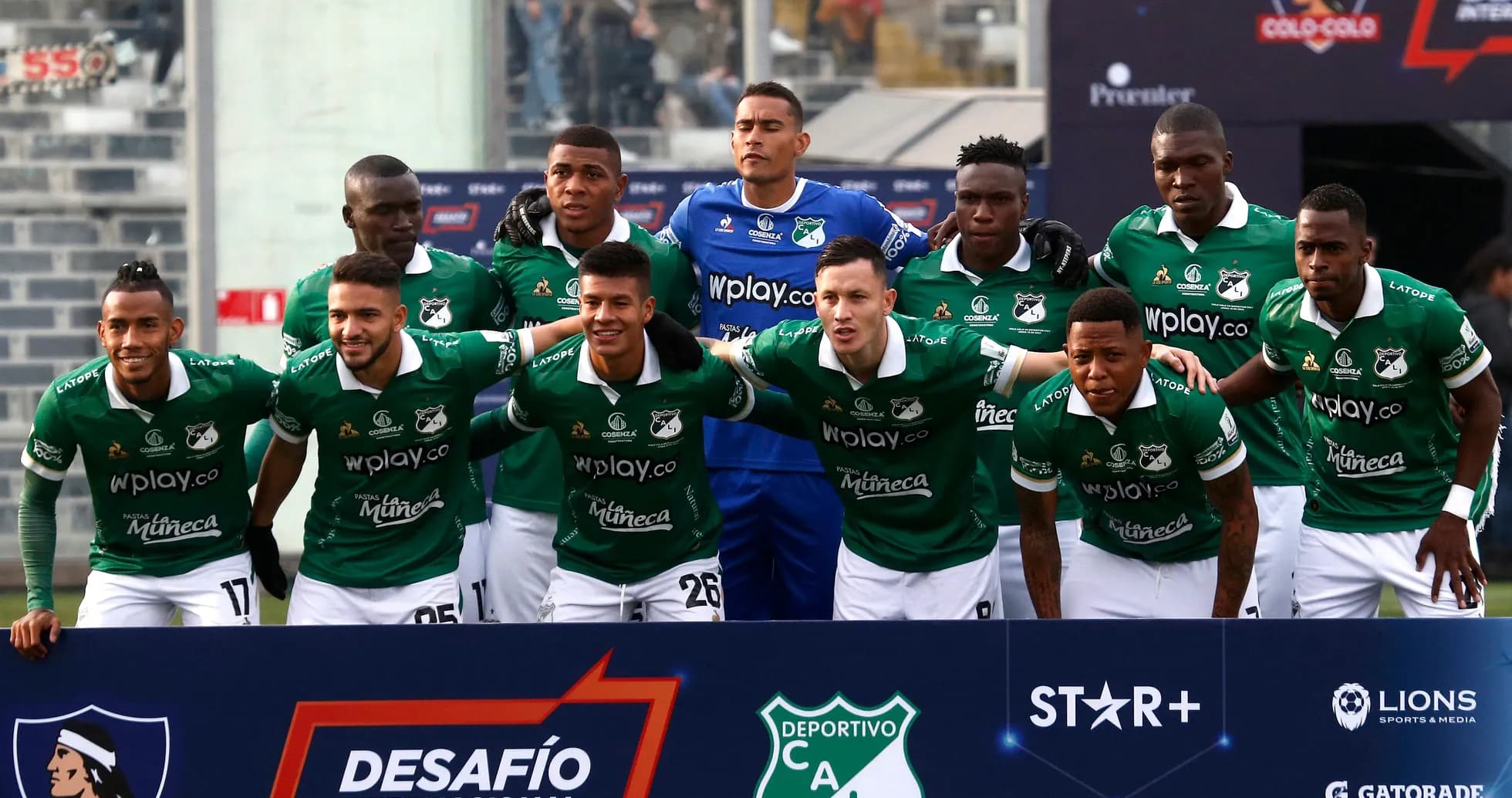
Deportivo Cali midfielder Johan Martínez has survived a terrifying armed assault in Cali, where he was threatened at gunpoint while travelling through the city with his family, according to reports from Marca.
The ambush, carried out by alleged supporters of the club, turned an ordinary journey into a nightmare. The attackers stopped the vehicle, intimidated Martínez with a firearm and physically assaulted him in front of his loved ones.
Deportivo Cali moved quickly. Within hours, the Azucarero hierarchy released a strong, unequivocal statement.
“Club Profesional Deportivo Cali S.A. categorically rejects the acts of violence and intimidation to which our player was subjected yesterday. Our institution expresses its full support and solidarity with Johan and his family. No form of aggression, threat, or intimidation has a place in football or in our society,” the club declared.
“They intimidated him with a firearm”
Speaking to Super Combo del Deporte, club legal director Felipe Restrepo laid bare the seriousness of the attack.
“They intimidated him with a firearm, they assaulted him; this cannot happen, people who do this are not fans,” Restrepo said, drawing a clear line between genuine supporters and those using the club’s colours as a shield for criminal behaviour.
The incident has jolted Colombian football. Violence around the game has been simmering, but an armed assault on a player with his family has sharpened the debate over how safe professional footballers really are once they step away from the pitch.
Psychological scars, not physical ones
Deportivo Cali officials confirmed that Martínez escaped serious physical injury. The damage is psychological, and the club has responded with intensive support.
The player and his family have been offered specialised counselling to help them deal with the trauma of the hold-up. Despite the ordeal, Martínez has already rejoined first-team training, a decision that underlines both his professionalism and the difficult balance between personal recovery and sporting commitments.
Inside the dressing room, the shock is real. Team-mates and staff are trying to process the fact that one of their own was attacked at gunpoint in the same city they represent every weekend.
Club joins authorities as pressure builds
Cali’s leadership is now working hand in hand with judicial authorities and the Cali Police Department to identify the attackers and establish a clear motive. The club wants answers, and it wants them quickly.
The message is blunt: this cannot be normalised.
While investigators move, the football side of the institution faces its own test. The coaching staff must somehow steady a shaken squad and prepare them for their next league fixture. It is no longer just about tactics or form. It is about whether a group of players can compartmentalise a “dark episode,” as insiders describe it, and still compete at the level demanded by a major Colombian club.
The coming match will say a lot. Not only about Deportivo Cali’s resilience, but about whether Colombian football can protect its protagonists from a climate that now feels as threatening off the pitch as any rival on it.