.svg&w=384&q=75 "Naijagoal logo")

Iraola's Return to Bournemouth: Liverpool's New Head Coach Under Pressure
Twelve months ago, Liverpool opened their title defence with five straight league wins and the swagger of champions. The first of those came against Bournemouth, then coached by Andoni Iraola, on a bright, hopeful opening night.
No one inside Anfield that evening was plotting this twist: by the end of the season, Iraola would be the man in the home dugout, replacing Arne Slot.
Football does not wait for neat storylines. It tears them up.
From Bournemouth touchline to Anfield hot seat
A year on, Iraola returns to Bournemouth still unbeaten as Liverpool head coach, yet already under the microscope. His team are six points worse off than at this stage last season. The table is not screaming crisis, but it is whispering questions.
For Iraola, Sunday is a return to a place that shaped his Premier League reputation. Three years on the south coast, a style built on aggression and energy, and a body of work strong enough to convince Liverpool that he was the man to lead their reset.
He will walk into a different away dressing room this time. Bournemouth have had to upgrade it to meet Europa League regulations. A small detail, but a reminder of how far his old club have come, and how far his new one expects to go.
The Basque has traded the English seaside for Formby’s sand dunes, following a path once taken by Jurgen Klopp and Brendan Rodgers. Locals have already spotted him in the city centre and on his bike along the coast. The lifestyle change looks comfortable enough.
But his real comfort zone is Kirkby.
Six days a week, no “light days”
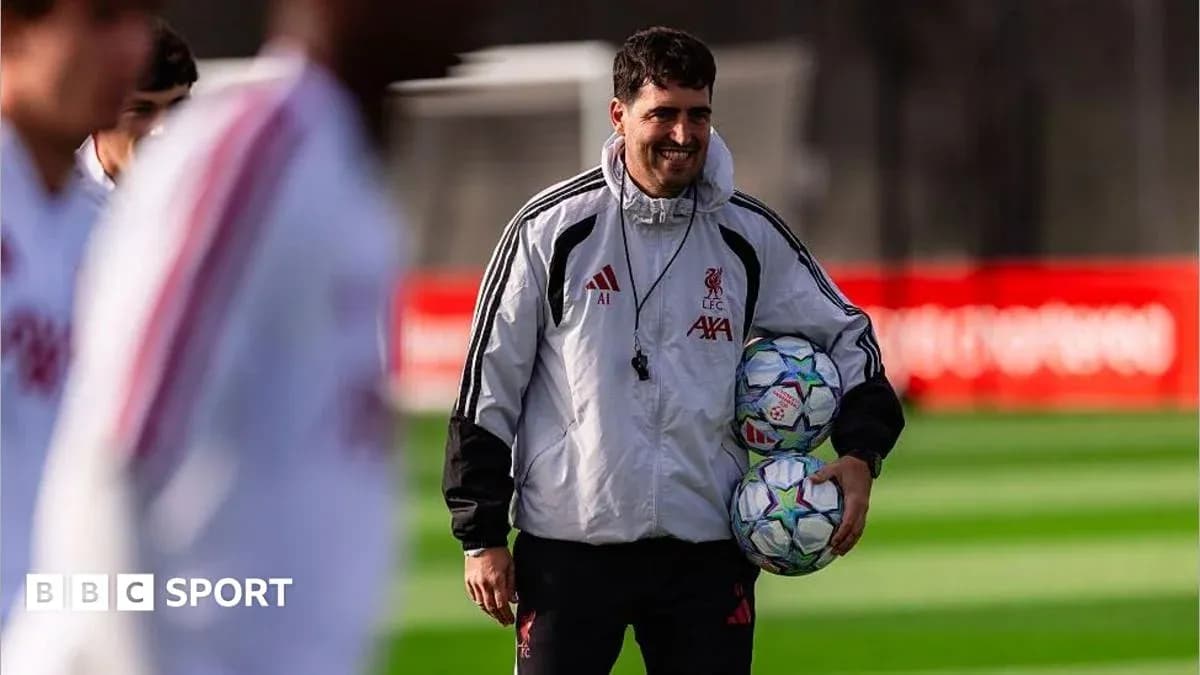
At the AXA Training Centre, Iraola is known as a “six days a week” coach. Staff talk about a man who is often the first out on the grass, laying out cones himself, setting the tempo before a ball is even struck.
“It’s really intense. There’s a lot of hard work and no sort of light days. Everyone’s putting in 100%,” said forward Lewis Koumas.
That line could be stamped across Iraola’s philosophy. Intensity as a non-negotiable. Training designed to push, to stretch, to demand. After a draining, disjointed previous campaign, many inside the club felt that almost anything would feel fresher. Even if Slot had stayed, the mood was always likely to lift simply because last season had to end.
Iraola has not swept in as a big personality filling every room. He rarely uses his own office, preferring the coaches’ room with Tommy Elphick, Shaun Cooper and Pablo de la Torre. His presence around the building is lower key than some of his predecessors, but his imprint on the work is clear.
De la Torre, who followed him from Rayo Vallecano to Bournemouth and now Liverpool, is central to the physical demands. His job is simple and brutal: make sure the players can survive the way Iraola wants them to play.
Adapting to Liverpool’s grind
Inside the club, the structural changes are smaller than outsiders might imagine. The head coach role is tightly defined, and Iraola has stepped into that framework rather than tearing it down.
Where he is learning fast is in managing Liverpool’s volume of games. This is not Bournemouth’s schedule. This is a season that will be at least 49 matches, and could creep into the 60s if the cup runs stretch deep.
So he listens. To the medical team. To the fitness staff. To the data. Training times flex around kick-off slots, with late-afternoon and early-evening sessions now a regular feature. Under Slot, sessions were more fixed. Under Iraola, the calendar bends with the fixture list.
The academy is part of that alignment. Under-21s coach Rob Page describes a clear blueprint from the top.
“We have an understanding of how the first team play and key principles, like how we press, how he [Iraola] wants his number 10 to press, how he wants his number eight to press, how he wants his centre-backs to press – we mirror that absolutely,” Page said.
Dominik Szoboszlai has already outlined the structure in public: a number six, a number eight, a number 10. Supporters called for a specialist defensive midfielder in the summer, but Iraola’s view is that the system stands if the collective sharpens. The protection comes from the unit, not just a single destroyer.
He tends to name his team on the morning of a game, keeping players on their toes. Post-match debriefs wait until the following day, when emotions have cooled and analysis can bite.
Words that travel, and a coach who listens
One lesson has come quickly: at Liverpool, every sentence can travel.
After a pre-season friendly against Monaco, Iraola told LFC TV that his side had run out of steam after 30 minutes and did not yet have the energy to play with his desired intensity. It was meant as an honest assessment of conditioning. The line was picked up as a critique of his players.
The message inside the camp was different: this is a process, and the legs will come.
Publicly, he has looked calm and measured. He answers questions, does not bristle easily, and understands that adaptation here works both ways. Liverpool are learning him; he is learning Liverpool.
Youth, legs and the cost of intensity
One of the main reasons Liverpool chose Iraola was his track record with young players. The numbers already back that up. The average age of Liverpool’s Premier League side this season is 25.3 – only five teams in the division are younger.
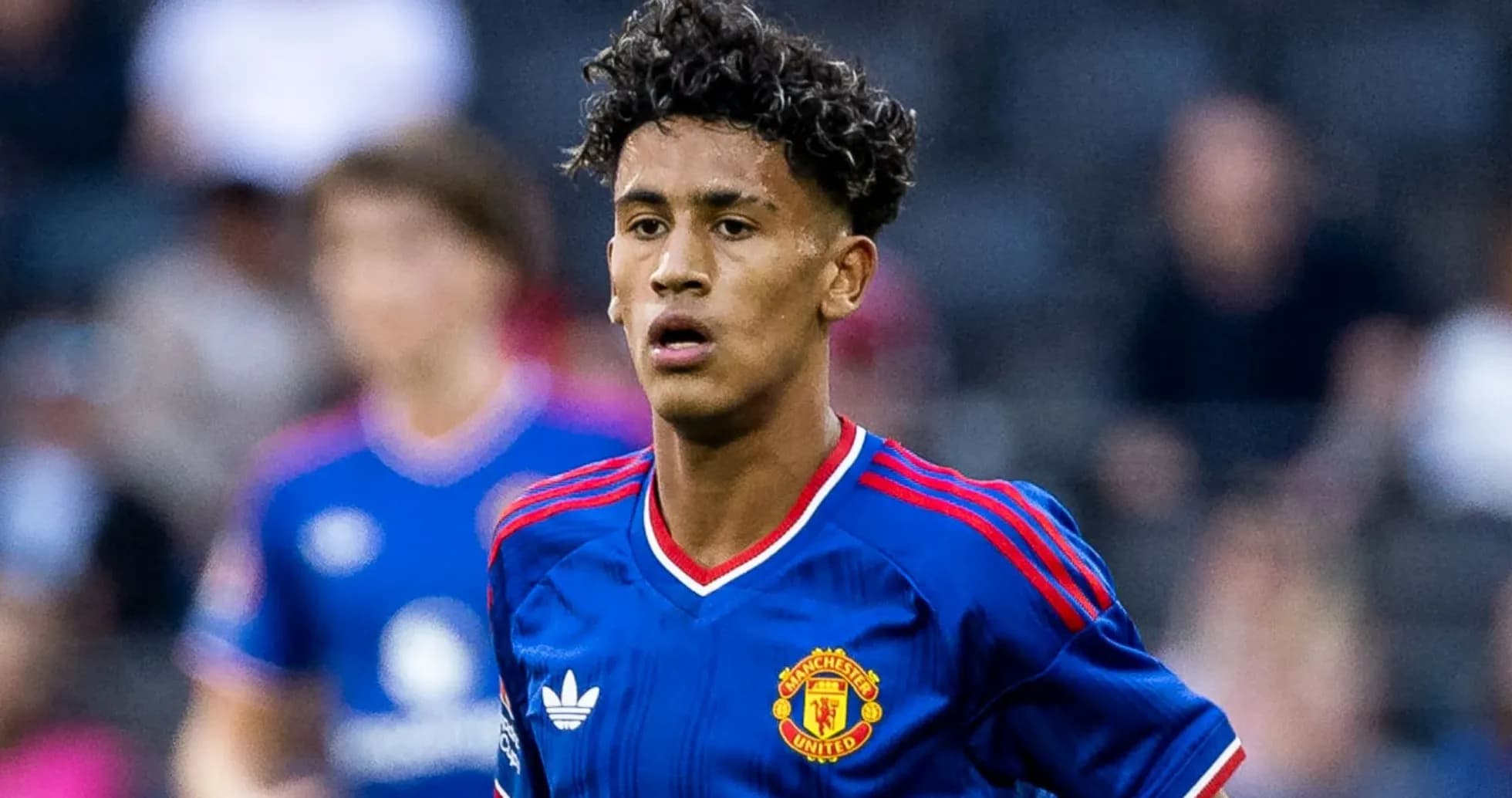
Rio Ngumoha (18), Trey Nyoni (19) and Koumas (20) all started against Tottenham in the Carabao Cup. None of them are expected to fade into the background. All three are being lined up for bigger roles than they had last year.
Intensity, though, has a price. Liverpool have made the most sprints in the Premier League so far, yet looked drained in the goalless draw with Fulham last weekend, less than 72 hours after beating Atletico Madrid in the Champions League.
Sunday’s trip to Bournemouth will be their fourth game in 12 days. After the international break, they face four matches in 10 days. Between 11 October and 7 November, they will play nine times.
Iraola knows he cannot simply run his players into the ground. He has already accepted that, with such a brutal schedule, Liverpool will sometimes need to lean on a set-piece routine or a flash of individual brilliance, rather than 90 minutes of relentless pressing.
A familiar stage, a different role
On Thursday night, Bournemouth marked their Europa League debut with a win over Real Sociedad in the Basque Country, where Iraola grew up. You can imagine the smile. The pride. The small nod to his roots.
Now comes the personal twist: flying back down from Liverpool to face the club that helped launch him into this job.
Liverpool under Iraola have not flown out of the blocks. They have not lost, either. After 12 league defeats last season, becoming hard to beat is progress, but not a destination. As vice-captain Alisson reminded everyone last week, draws are not enough for Liverpool.
Iraola, unbeaten in the Premier League since January across his two clubs, understands the stakes. A win on familiar ground on Sunday would not just protect a record. It would send him into the international break with something more valuable than any statistic.
Momentum.