.svg&w=384&q=75 "Naijagoal logo")

Ghana vs England: Tactical Adjustments Needed for World Cup Clash
Ghana escaped. Just.
Ranked 39 places below Panama, the Central Americans should have been the ones hanging on. Instead, the Black Stars staggered through their World Cup opener, rescued by a late winner, a few sharp tweaks from Carlos Queiroz and a lot of sheer will.
England are next. There will be no such margin for error.
This is Ghana’s first competitive meeting with the Three Lions, their only previous clash a 1-1 friendly draw at Wembley in 2011. The stakes now are immeasurably higher, the opposition far sharper. Queiroz has problems to solve – and quickly.
The Jordan Ayew question
Jordan Ayew is at the heart of it.
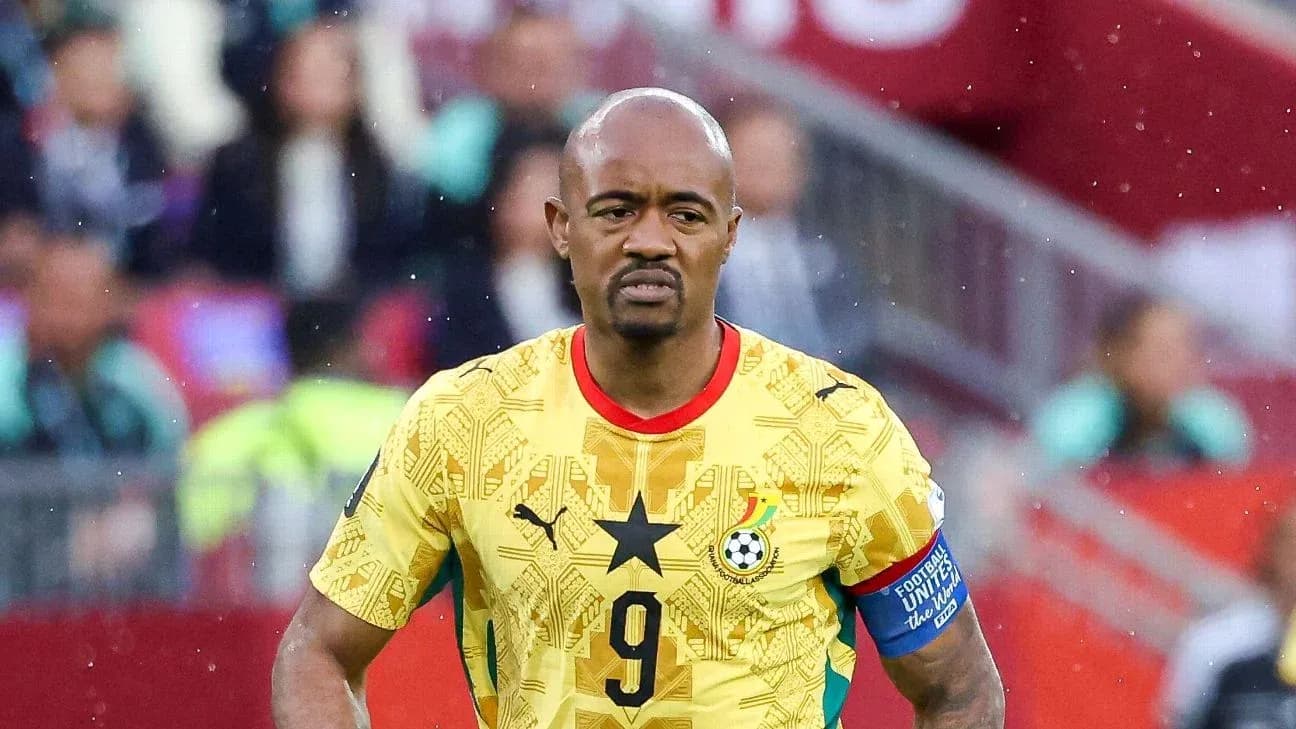
He is the captain, the most experienced player in the squad, and one of only four Ghanaians ever to appear at three World Cups. More than 100 caps, a lifetime in the shirt, and the weighty legacy of being Abedi Pele’s son. He knows this team, this stage, this pressure.
Yet against Panama he looked like the one man out of step with the tempo.
His lack of pace was cruelly exposed. When he did find the ball, his decisions often dragged Ghana back into trouble. One moment summed it up: Antoine Semenyo slipped him a pass with space to attack, then sprinted into the channel, begging for the return. Ayew had time and a clear lane. Instead, he carried the ball straight into traffic and lost it.
Panama did not punish those errors. England will.
Harry Kane, Jude Bellingham and company will not allow a slow centre forward to play his way into the game. They will swarm him, pick his pockets and break at speed. So Queiroz cannot afford to use Ayew as the lead striker again.
Yet he also cannot simply discard him.
Ghana need his voice, his calm, his nous in a game of this magnitude. The solution lies in repositioning, not rejection. When Ayew dropped deeper against Panama, the team’s attacks suddenly had structure. He linked play, knitted midfield to the front line and found pockets where his lack of acceleration mattered less than his vision.
That is where he must live against England.
An advanced midfield role, sitting between the lines, allows Ayew to dictate traffic rather than chase it. From there he can slip runners into space, join attacks late and exploit the gaps that open when England’s defenders step out.
A front line with Ayew underneath Semenyo and one of Brandon Thomas-Asante or Abdul Fatawu changes the dynamic. The pace stretches England’s back four; Ayew supplies the passes. He becomes the conductor, not the spearhead.
Drop him entirely and Ghana lose a leader. Leave him up top and they lose a weapon. Shift him into that No.10 pocket, and they might just find the balance they need.
Partey must return
The other non-negotiable sits deeper.
Thomas Partey has to come back into the XI. Elisha Owusu struggled badly against Panama, swamped by runners and exposed by a shape that left him firefighting alone. The first half, in particular, saw Ghana’s midfield pulled apart.
England’s is far less forgiving.
Bellingham and Declan Rice dominated Croatia in a 4-2 win, driving through midfield, setting the tempo and arriving in the box with menace. Leave them that much room and the game will be gone inside half an hour.
Partey changes that picture.
With the Arsenal midfielder alongside the impressive youngster Caleb Yirenkyi, Ghana can contest the middle of the pitch instead of simply enduring it. Both can sit, screen and step in front of England’s midfield runs. Both can keep the ball well enough to slow the game and force Rice to think more about defending than surging forward.
That has a knock-on effect. If Partey and Yirenkyi can control those central lanes, Ayew can stay higher between the lines rather than dropping all the way back to help. The distances between Ghana’s lines shrink. Passing angles open. England’s press has to work harder.
Against Panama, Ghana often chased shadows. Against England, that would be fatal. Partey is the player who can stop that from happening.
Where England can be hurt
For all the noise around England’s attack, their defence showed cracks in the win over Croatia.
They conceded twice and might have shipped more. The most glaring weakness came on the flanks. Reece James lost his man on one goal. On the other side, Nico O’Reilly’s attacking quality could not disguise that he remains, as some described him, “a work in progress” defensively.
This is where Ghana’s wide threats must go to work.
Semenyo’s direct running and physical strength can force England’s full-backs into one-on-one duels they do not enjoy. Thomas-Asante brings raw pace and aggression, the kind that drags defenders into awkward positions. Fatawu and Ernest Nuamah both thrive when they can square up a full-back, isolate him and go.
Croatia hurt England whenever they attacked quickly, before the defensive block settled. Ghana have the tools to do the same. The key is speed of thought and speed of ball: win it, turn, run. No extra touches. No hesitation.
If Queiroz commits to that plan, England’s back line will have to turn and chase far more than it did against Croatia. That is where mistakes creep in.
Start fast, or suffer
Ghana cannot afford another slow start.
Against Panama, they spent an hour on the back foot. Panama dictated the tempo, hogged the ball and carved out the better chances. Only when Queiroz pushed Semenyo inside and increased the pressing intensity did the Black Stars finally seize control.
That kind of patience will be punished by Thomas Tuchel’s England.
Croatia showed that England can be rattled when pressed aggressively. They forced errors, disrupted the build-up and scored twice before half-time. But England also struck twice in that same first half. They do not need long to flip a game on its head.
If Ghana sit off, as they did early against Panama, Kane and his supporting cast will not wait. They will press the advantage, and by the time Queiroz reaches for his bench, the contest could already be gone.
So Ghana have to start as they finished the Panama game: front-foot, aggressive, willing to run and to suffer. Turn it into a battle of attrition. Make every duel a test. Stretch England’s comfort zone and keep them there.
They may not be able to maintain that ferocity for 90 minutes, but they cannot begin at half-speed and hope to grow into the match. Not against this opponent.
Survive the dead ball
One final danger looms over everything: set pieces.
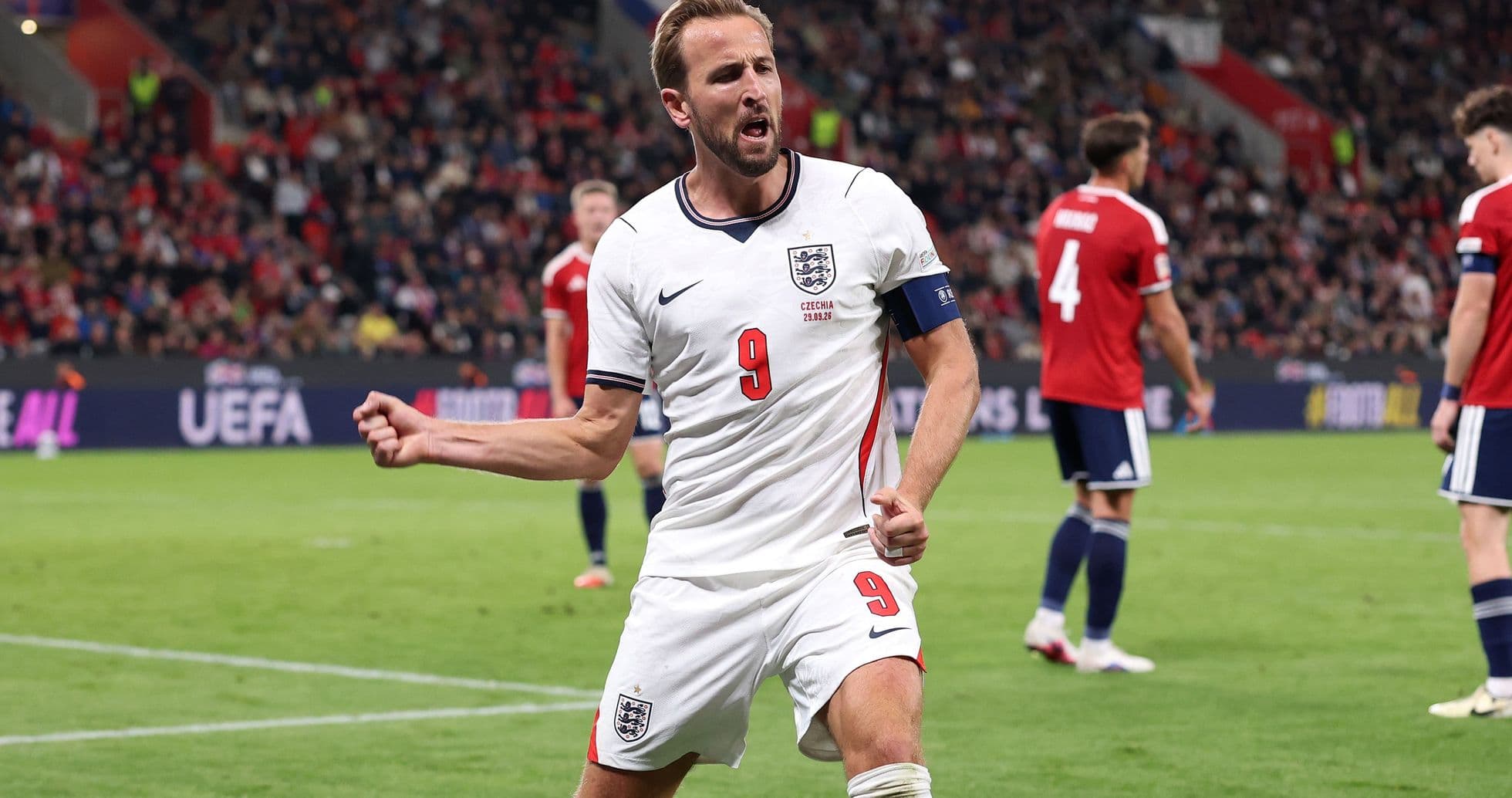
On the tournament’s opening matchday, England produced the highest non-penalty expected goals and the most shots on target from set plays. Kane’s second against Croatia came from a simple, brutal truth: he was left unmarked from a Rice corner and punished the lapse.
Ghana cannot repeat Panama’s slackness in central defensive areas. Whether Lawrence Ati-Zigi recovers in time after his first-half collision or Benjamin Asare starts again, the message in both penalty boxes is the same: no free headers, no lost runners.
That starts before the ball is even struck. Avoid cheap fouls in front of the box. Stay switched on when England swing corners and free kicks in. This is another reason Partey’s presence matters – he organises, plugs gaps and reads danger early.
And if the worst happens and a penalty is given, the goalkeepers must be ready for Kane’s mind games. The England captain studies tendencies, adjusts his run-up and waits for the slightest tell. Asare and Ati-Zigi must do the same homework.
Queiroz framed it bluntly after the Panama win: “We have to suffer; there is no other way.” He knows that at this World Cup, every point comes at a heavy price.
The question now is whether Ghana can pay that price against one of the tournament favourites – and still walk away with something to show for it.